Posted on Leave a comment

What are the differences between LED chips ? 2

q

What are the differences between LED chips ?

Which type should I choose?

LED strip lighting can be manufactured using a variety of different LED chip types.

Below, we’re going to explain the main differences between them –

by comparing the most commonly used chip types on the LED tape
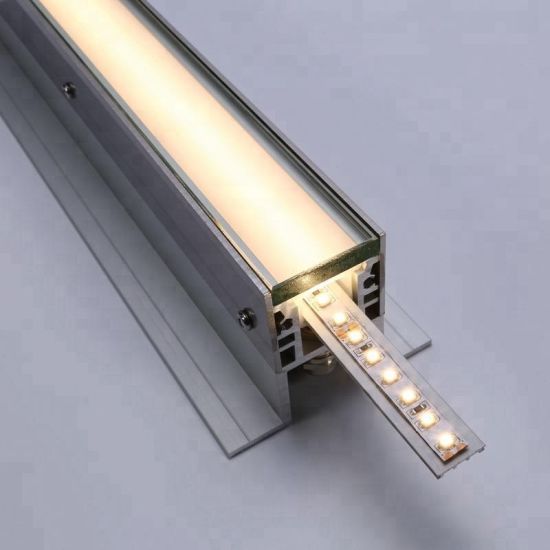
 

LED chip


What does the number of an LED chip mean?

LED chips (also known as surface mounted diodes or SMDs) are all identified by a four-digit number.

This code is less complicated than it looks – it simply indicates the size of the LED chip.

For example,

the dimensions of SMDs on LED strip lights are 5.0mm x 5.0mm.


Which is the best LED chip?

LEDs like s, s, s and s aren’t really different types of chip at all – they’re simply different sizes.

Each has its own spec: different power requirements and output brightness.

The best choice depends on what’s right for your project.

You can find out more about each LED chip below.


The LED chip explained

Measuring 3.5mm x 2.8mm, the SMD is a smaller chip than the LED strip SMD.

You will most often find chips on 12-volt LED strips, drawing 4.8 watts

(also known as 4.8w p/m or 5w p/m LED tape) with 60 SMDs per metre.

These strip lights output around 330-360 lumens per metre,

depending on colour (equivalent to a 40w halogen) – enough to produce a smooth,

bright effect when shining onto any surface.

InStyle offer red, green, blue, amber, and both warm and cool white SMDs as standard colours.

(We can also supply other white colour temperatures, made to order.)

60 SMD p/m LED strip lights are typically used for feature lighting –

such as plinth or coving lights, in homes, bars, restaurants, hotels and other locations.

Though less common than standard 60 SMDs p/m LED tape, SMDs are also used on LED strip lights with 120 chips per metre.

Pulling 9.6 watts (known as 9.6w p/m or 10w p/m LED tape),

these tapes are available in the same range of colours. Light output is exactly double that of 60 SMDs p/m tape

– they have twice as many LEDs – so that’s around 660-720 lumens per metre, depending on colour.

120 SMD p/m LED strips are used for the same kind of feature-

lighting applications as its standard alternative. We recommend them for locations with strong ambient light,

where more brightness is needed than the 4.8w p/m can produce.

The cut points for our 60 SMD-per-metre LED strips are 50mm apart.

The 120 SMD p/m strips have cut points at 25mm intervals.

Both types are also available in waterproofed versions (IP67-rated).

Safe to touch
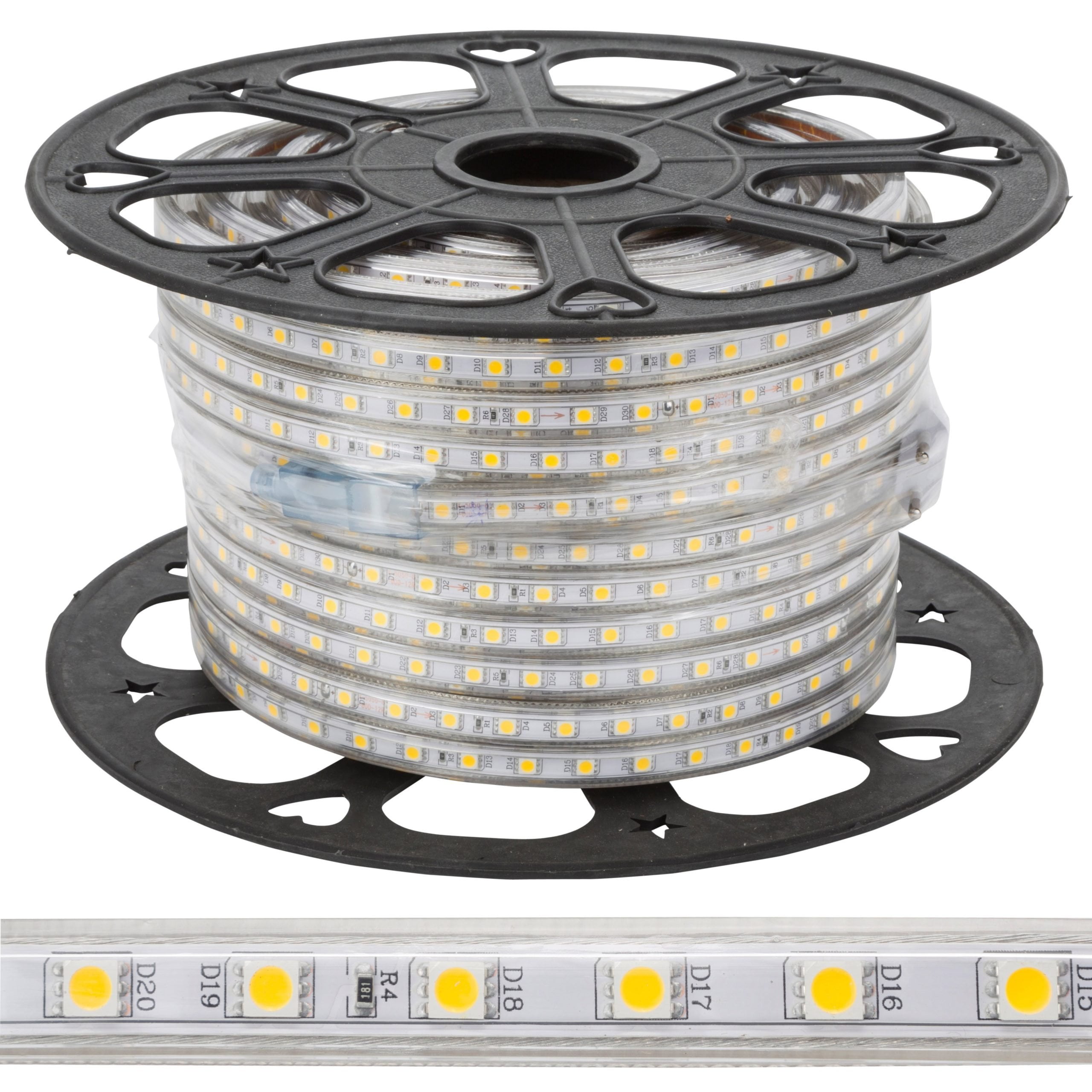
SMDs do not give off a lot of heat – you can safely touch them.

Even so, the 60 LED p/m tape requires PCBs (printed circuit boards) at least 8mm wide, and the 120 LED p/m tape

should use 2-ounce thickness PCBs.

As long as your LED strips meet these minimum specifications,

they can be simply installed anywhere because they have a sufficient heat sink not to require an additional aluminium extrusion.

There are many manufacturers of SMDs.

Epistar-branded SMDs are extremely high quality and give you the brightest SMDs on the market.

They offer excellent colour consistency and reliability, with a life of 50,000 hours at 70% output.

Cheaper alternatives are less bright and less reliable, and are prone to colour inconsistencies within the reel and between reels.


Double-power SMD explained

Double-power SMDs are the same size as standard-power LEDs.

They are available in the same colours, drawing twice the power to give twice the output.

LED strip lights manufactured using double-power SMDs have 120 LEDs per metre and pull 19.2 watts per metre

.(also known as 19.2w p/m, or 20w p/m).

Double-power LED strips use a 2-ounce 10mm wide PCB to disperse heat effectively,

in order not to require an extra heat sink when installed.

These LED strips are only available for 24-volt systems, as this carries current better.

Lumen output is around 1320-1440 lumens per metre (depending on the colour).

Because of its high brightness, we recommend this LED tape as general lighting, or to replace fluorescent tubes and halogens.
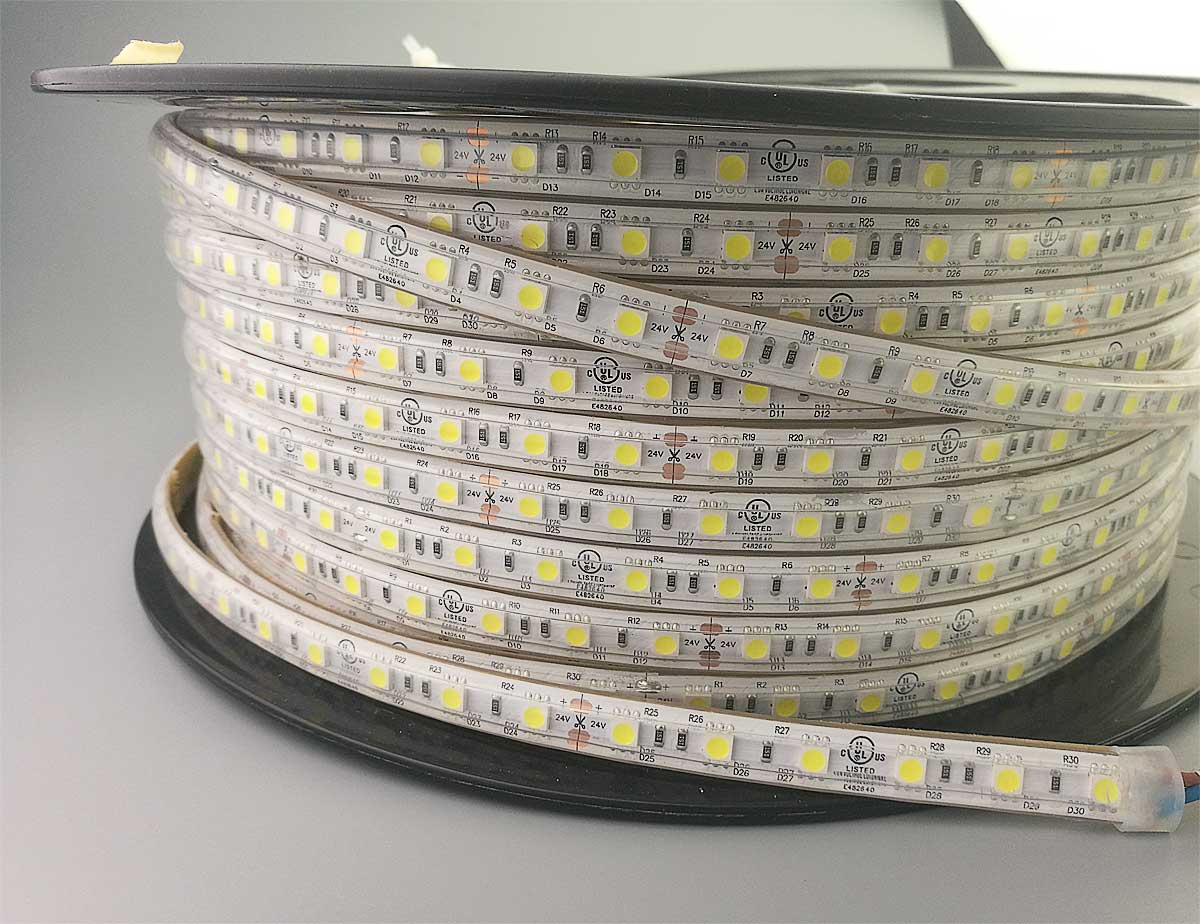

The LED chip explained

Measuring 50mm x 50mm, the SMD is larger than the SMD.

These dimensions mean that each SMD is big enough to house four separate LED chips (sometimes called ‘quad LEDs’).

LED chips are often used on 60 LED-per-metre strip lights,

pulling 14.4 watts at 24 volts (commonly called 14.4w p/m or 15w p/m LED tape).

With an output of around 990-1080 lumens per metre, depending on colour,

this tape gives you a smooth, bright effect when shining onto a surface.

Available colours are:

  • warm and cool whites (other Kelvins requirements can be manufactured on request)
  • red, green, blue, and amber single-colour
  • and also colour-changing – either RGB or RGBW (red, green, blue, white), using ‘tri’ / ‘quad’ chips (three or four LED chips in one).

These 60 SMD p/m LED strip lights are typically used for general lighting applications, such as corridor lighting,

replacing fluorescent tube lighting, in homes, bars, restaurants, hotels and other locations.
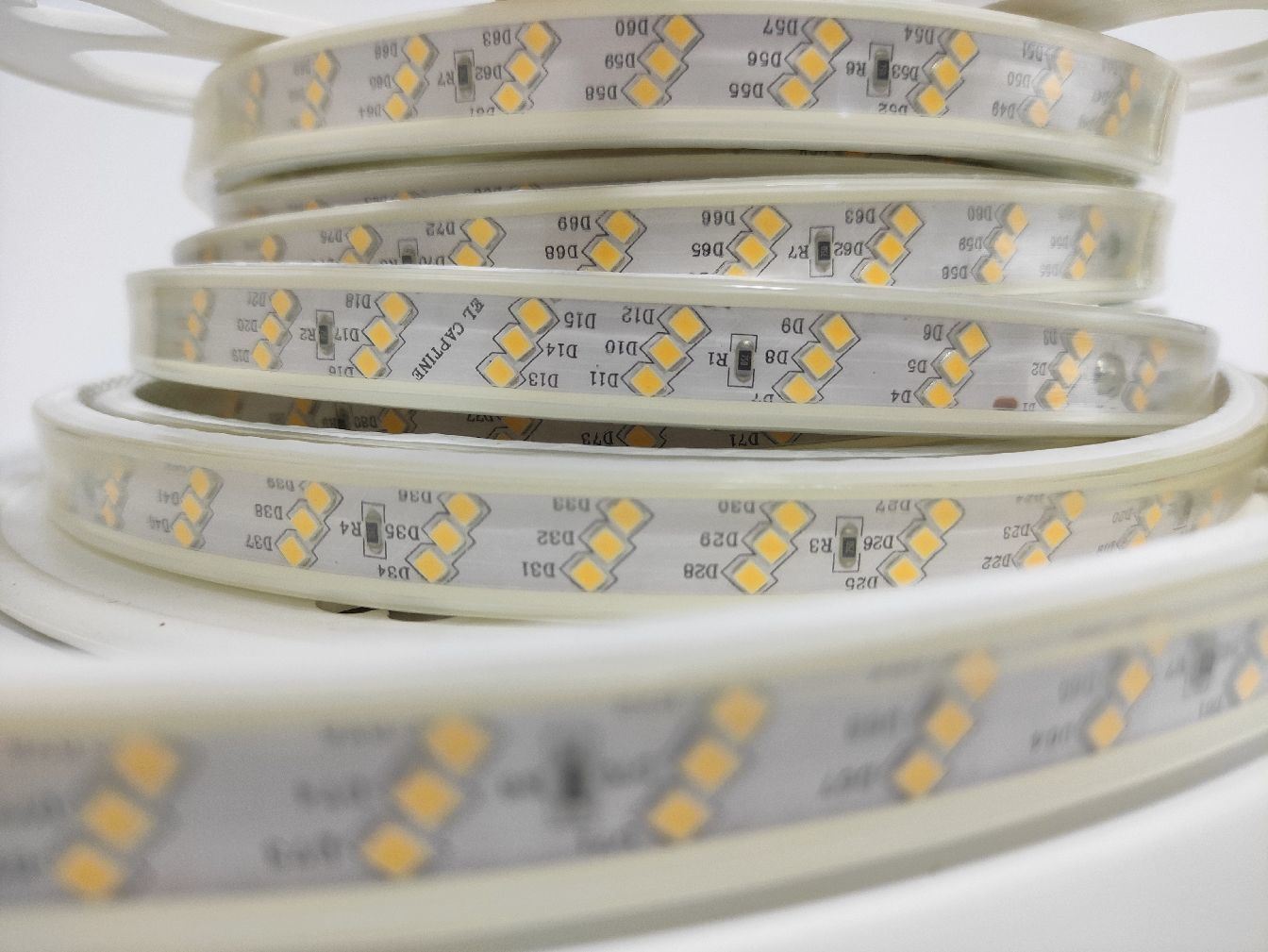


What are the differences between LED chips ?SMDs used in RGB LED strip lighting

The SMD is actually a ‘tri’ chip, meaning it has three smaller chips in every SMD.

So each white LED actually has three white chips inside.

s can also be used for colour-changing LED tape, with red, green and blue chips inside each LED.

By linking this type of RGB LED strip light to a controller, you can mix any shade of any colour you choose.

(RGBW tape is similar, but uses ‘quad’ LEDs, with an additional white chip.)

RGB LED strip lights are available in two types:

  • 30 LEDs per metre (known as 7.2w p/m or 7.5w p/m LED tape) outputs up to 500 lumens per metre and is ideal for feature lighting such as covings, plinths in homes, hotels, restaurants and bars.
  • 60 LEDs per metre (aka 14.4w p/m or 15w p/m LED tape) produces up to 1000 lumens per metre, perfect for full wall-washes such as bar frontage, back bars in restaurants, clubs, or the home.

We can supply both types of LED tape (30 and 60 LED p/m options) in waterproofed versions (IP67-rated).

The cut-points on both are spaced at 100mm intervals.

Branded Epistar SMDs are the highest quality LEDs on the market. They provide the best brightness, colour consistency and reliability with 70% output at 50,000 hours.

Using cheaper alternatives instead, you’ll get dimmer and more unreliable LEDs that output inconsistent colours within each reel and also from reel to reel.


The LED chip explained

A recent development, SMD LED chips are much smaller and much more efficient than many earlier SMD models.

The smaller size of the diodes (just 3.0mm x 1.4mm) means it’s possible to fit more of them on a length of PCB strip

– offering more brightness, without the need for more power.

At InStyle, we use SMDs in the manufacture of our specialized dual-white colour-temp changing (CCT) LED tapes.

Their compact size allows two LEDs producing different white shades to be positioned very close beside each other,

making it possible to mix a varied palette of different white-light tones from a single LED tape.

(A similar set-up to RGB/RGBW colour LEDs.)


The LED chip explained

The SMD is a new choice on the LED market. Instyle LED have now tested  chips fully, to confirm their reliability and efficiency.

2.8mm x 3.5mm in size, the chip is so far only available for white LEDs.

In practice, you can view  SMDs as a more efficient replacement for the –

producing 20% more light but drawing less wattage. Each  SMD pulls 0.2w

(a SMD pulls 0.24w), so that’s around 12 watts per metre compared to 14.4w for the SMD,

based on 60 LEDS p/m. Because the SMD is smaller and doesn’t get as hot,

it’s possible to mount up to 120 LEDS p/m – that’s 24w p/m – giving up to 2600 lumens per metre!

  • Cool white SMD 60 LEDS (14.4w p/m) = 1080 lumens per metre
  • Cool white SMD 60 LEDS (12w p/m) = 1300 lumens per metre
  • Cool white SMD 120 LEDS (24w p/m) = 2600 lumens per metre

InStyle’s LED strip lights are mounted on 2-ounce PCBs (10mm width) for better heat dispersion, superior reliability and longer life.

So this really is a product for the future.

We supply both 12w and 24w p/m LED tapes, in warm white, cool white or any custom white shades.

We also offer splashproof IP65 and waterproof IP67 heatshrink-coated options.

Now that chips have been available long enough to prove themselves,

we confidently predict that more people will switch to them from SMDs, as they realise the advantages.


The LED chip explained

The SMD has been around for several years, but has only recently become an option in the LED tape market.

(Before that, most LED suppliers used these chips on thick PCB rigid strips rather than LED tape, as they require a very good heat-sink.) SMDs have dimensions of 5.6mm x 3.0mm.

A larger LED doesn’t always mean brighter – but in this case, the chip outputs far more light than the more common SMD.

High-quality chips on 60 LED p/m tape can produce up to around 2700 lumens.

(To give an idea of the importance of component quality, lower grade SMDs output less the 2000 lumens per metre.)

LED tapes mounted with SMDs generate more heat than some other LED chips.

Because of this, we recommend installing SMDs with either an aluminium extrusion,

additional heat-sink backing or a thicker and wider PCB. Without these, your LED strip lights may work initially

– but brightness will likely reduce quickly, because overheating is the biggest adverse contributor to the brightness and lifespan

of LEDs. Used 8 hours per day, overheating could see you lose up to 20% in brightness per year!

Instyle LED always uses thicker, wider PC boards and A-grade Epistar-branded SMDs,

so you can always rely on the quality of our LED tape components. We offer this product in all shades of white.

We don’t advise the use of heatshrink to waterproof SMDs, as it can lead to overheating issues.


Summary of LED chip types

In the end, the type of SMD chip doesn’t matter – as long as it can meet your requirements.

InStyle recommend branded Epistar LEDs for the reasons we discussed above (brightness, reliability and colour batching).

When purchasing LED strip lights, you should ask yourselves these questions:

  • Do you want feature lighting, task lighting, colour changing, waterproof, etc?
  • Dimmable or non-dimmable?
  • What colour do you want?
  • How bright do you need the LED strips?
كيفية توصيل القواطع الكهربائية المنزلية

lightning
We are pleased to have you visit our pages on social networking sites, where we publish exclusive offers on our website.

 Facebook page here.

Twitter account is here.
 

Posted on Leave a comment

Solar Home Energy: What is it for? 1

Solar Home Energy: What is it for?

Solar energy—this term basically does not cause a stirring in the mind as the explanation that comes at hand is indeed too simple.

Everyone knows what is meant by solar energy, and that is,

the energy that comes from the sun. In its most basic sense,

solar energy and other solar home equipment are nonetheless environment-friendly and not risky at all.

But then you need not become one fine environmentalist first before you will be able to come across with

whatever advantageous benefit solar home energy has.

Why is the solar home energy said to be environment-friendly?

What are its general benefits?

Practically speaking, when solar home energy is used,

the electrical bills tremendously go down as compared to the other type of home energy available for all people.

Why would you pay for such expensive bills when all you need to do is to employ solar home energy?

Another major advantage of the solar home energy is the absence of the very complicated and dangerous wiring.

Solar energy lights in the garden path or any other solar energy-powered items used in your home are ready

to be installed less the wiring to be dealt with.

In reality, these solar light bulbs are equipped with darkness sensors so they need not be turned

on to give off light and they need not be turned off as well when they are no longer needed.

As a sort of simple explanation, the solar light bulbs will simply have to be purchased, taken out of the boxes,

installed, and then presto!

You just have to situate them where you want them to be and never worry about them ever again.

A List of the Benefits of Solar home Energy

Why is the solar home energy equally beneficial? Why is it more recommended for use?

Here are some of its benefits which are truly worth the attention to be graced by anyone:

Solar home energy is environmentally friendly.

As mentioned a while ago, solar home energy will not harm the environmental features.

It is specifically clean and renewable as well. More so,

it does not cause pollution just like what the rest of the traditional electrical forms do.

Solar home energy systems need the least maintenance.

They are not fuel-powered so no need to buy the refills.

Solar home energy makes you save a lot of money.

The energy that is derived from the sun can be accessed for free as you make use of solar lights,

solar panels, and the likes. The federal government most of the time gives out financial incentives.

You don’t get affected by the rise of the fuel rates since you are using solar home energy.

Making use of the solar home energy makes you entirely independent from the foreign and centralized energy sources.

Power outages will not likely affect you in any manner.

Most of the solar energy items are very easy to install thus lessening the complicated work of the wiring systems.

Some Common Disadvantages of the Solar Home Energy

Of course the disadvantages will not be taken aside.

Here are some of the most common disadvantages of the solar home energy:

The employment of a solar home energy can be expensive at first. But as time passes by,

it becomes light to the pocket.

The strength of the solar home energy will relatively depend on the location of your home in relation with its facing to the sun.

Also, the area of your home is another point to consider.

You will need large areas to install the solar panels.

Solar Home Energy: What is it for?The Various Solar Energy Items

There are lots of solar energy devices that you may opt to buy.

Included are the solar flashlights, solar heaters, car ventilators,

solar video cameras, solar radios, solar pool purifier,

solar mosquito inhibitor, solar lighting, and solar fountain pumps.

What You Must Do

Back in the earlier years,

solar energy powered devices were very costly that very few homeowners made use of the solar home energy.

But these days, small volumes of solar energy devices are put up for sale therefore making it affordable for all.

If you don’t have enough money to fund these items you can always start small.

Making Your Mobile Home Energy Efficient

If you were living on a mobile home temporarily or permanently,

you surely would want to cut down your electric consumption just like others who would like to cut down theirs.

Here are several ways in making your mobile home energy efficient:

· Improving the roof paintjob

In the hot and humid months of June, July, August, and September, mobile homes tend to heat up.

This is because mobile homes are not built with much ventilation. On regular homes,

large attics the separate the outside from the inside keep houses cool.

Vents on these attics further contribute to reduction of heat penetration to the house.

The space separating the roof of a mobile home and the ceiling is not enough to keep the inside cool.

As a result, air conditioning system works harder during hot summer days. Thus, consuming more energy.

To lessen the heat penetration to the home, cool roof coating can be done.

Do this when it is not raining since cool roof coating is water-based.

Repainting the roof of your mobile home to deflect the heat that can potentially penetrate to the inside.

· Providing better roof insulation

Many people, even a mobile home contractor would suggest that you couldn’t

do anything to improve the insulation of your mobile home.

To tell you honestly, they are totally wrong.

You can access the roof cavity from the edge of the roof that is connected with the wall or from the directly through the rooftop.

Doing so will save you as much as 15% of your total cooling system consumption.

You can do this on your own or find someone who knows how to do this.

· Maintaining a good air conditioning

Air conditioning occupies the biggest chunk of your electric bill.

This is why you need to make sure that you get the most out of it.

To so this, check your air conditioning system regularly.

You can start with the air duct. Make sure that the air duct is sealed.

Any small leak would let the outside air to enter, thus making the air conditioning to work harder.

Your mobile home’s air duct is usually located underneath.

You may want to skirt your mobile home to the ground

of few inches from the ground to protect the duct during winter and summer.

Skirting would also provide additional protection from your pets to destroy the duct.

· Air sealing your mobile home

The best way to keep the air outside from entering is to seal every spaces of your mobile home.

Windows, doors, and other openings can be sealed by weather stripping,

a rubber sealant that keeps that interior airtight.

Doing this will let the air from coming out of the mobile home.

· The mobile home location

Sitting your mobile home under the shade would let you save from air conditioning.

Since shades draw away heat even before it reaches the roof of your mobile home,

your air conditioning will not be forced to cool the interior.

· Ensuring the water heater

The water heater takes 14% of your total energy consumption.

This is the second largest energy consumer next to the air conditioning system.

If your water heater is located outside the compartment,

it surely takes additional energy load since the heat is lost because of the outside air.

You cannot cover it of course for safety purposes. Instead, you can use insulation jacket.

This will keep the heat inside the tank.

The thermostat dictates the energy consumption of the water heater.

If you have less water demand, 120 degrees Fahrenheit is sufficient enough.

For larger water consumption, 140 degrees Fahrenheit is usually required.

· Windows

Proper selection of shutters, shades, and drapes is important to keep the heat inside or away from the mobile home.

But, you have to use them properly.

Close them during the night to keep the cool air from the outside away and open it during the day if you are not using air conditioning.

Use thick shutters, shades, or drapes during winder to keep to cool air from coming in.

Consider all these to make sure you maximize the use of power in your home.

In turn, you will save money on electric bills.

Searching for Octagonal Home Energy Efficient Kits on the Internet,

the Right Way

Okay, so you decided that you want a house.

However, you do not want it to be just any house,

you want a house that won’t cost you much to maintain.

So you decide to look for energy efficient octagonal home kits. But,

wait a minute… something’s wrong.

Whenever you try typing the phrase energy efficient octagonal home kits on the internet,

no results come up.

Well, here’s what’s wrong: the error has nothing to do with the web directory you are using.

In fact, you may find that the reason why you cannot seem to find information about energy

efficient octagonal home kits is something simple.

Here’s the deal: you need to correct your spelling.

There is no such word as “efficient”. In fact, the word is actually spelled “efficient”.

This simple change of spelling can give you a lot of results on your search.

How do you prevent this from happening again? Well, you might want to expand your vocabulary.

None of us are born with the knowledge on how to spell properly.

However,

you could try to learn how words are spelled correctly.

How do you expand your vocabulary, you ask?

Well, here are some tips you can use:

1. Read – This is the best way to learn how to spell words and expand your vocabulary.

Some people actually find it boring to open up a book.

People nowadays just want to pick up the remote and turn on the TV.

Well, here’s some information for you:

you won’t learn how to spell correctly by watching television unless, of course, you are into watching Sesame Street.

Of course, no one is suggesting that you pick up the dictionary and start memorizing the spelling of each word.

What you need to do is pick up something interesting to read.

For the beginner, I wouldn’t suggest going into the complex plotlines of Robert Ludlum yet.

In order to get you started in the wonderful world of reading, you might want to pick out a book that movies are based on.

These books are often what get people started down the road of wordiness.

In time, you will find yourself reaching for books with more and more complex plotlines and words.

Because of these you will expand your word power.

2. Write – Communications nowadays are of such a high technology that we often ignore the power of the written word.

We all want to talk on the phone instead of writing a letter.

However, how else would you learn to spell correctly, if not through writing?

People may find it a bit boring. In fact, writing nowadays is mostly done through emails and text messaging.

Text messaging has also done its share of damage to people’s spelling abilities.

Nowadays, people make frequent use of “shortcuts” in their messages.

This leads to the deterioration of spelling skills all over the world.

In order to train yourself to spell properly, you’ll need to be able to take criticism for your mistakes.

You need to want to improve your spelling skills.

These tips should take you far into improving your word skills.

You next have to learn how to apply those skills to your search.

If course, when you learn about the proper spelling of words,

you won’t make the mistake of looking for energy efficient octagonal home kits. However,

there are still more mistakes that can be made on the internet.

When you search on the internet for energy efficient octagonal home kits,

you might want to prepare some standard protection like anti-virus software, anti-spyware,

popup blockers and other tools that might make your search easier and more convenient.

Another thing you should consider doing is to examine each link before you click it.

There are a lot of useless junks out in the internet and you do not want to encounter them.

In order to be able to avoid “traps” set for the unsuspecting surfer,

you need to be able to discern which websites do contain information you need and which ones are full of nonsense.

By now, though, your new love for reading will have given

you different inferences as to what signs to look for in examining information.

And that, my friend, will help you a lot in your quest.

How to Lower Home Energy Bills

We are blessed with the discovery and proper utilization of energy around us.

There are several sources of energy that makes our living easier.

Energy lights up our home every night, keeps us warm during cold winter,

allows us to be entertained, and makes our living pleasant no matter what time of the day.

And with all the other uses of energy from the moment we check our clocks in the morning to keeping

us warn as we rest during the night, all of us would agree that it would be so hard to llive without it.

We can say that we have sufficient energy supply for a lifetime but that does not mean that we are not going to conserve it.

After all, technology has its price.

And that price is something we have to pay with cash.

And if coping with electric bill is your problem every time you see your bills,

here are the ways on how to lower them:

· Provide good roof coating

A good roof coating deflects heat.

And so, insuring that the roof receives a good coating would mean insuring you that your

house would maintain good temperature on the inside.

· Keep your attic well ventilated.

Your attic is one of the more important parts of your house when it comes to the cooling system.

The attic is your first and probably the most effective part of your house the keeps the whole house cool.

But, in order for your attic to do its main purpose,

make sure that it is well insulated.

Provide vents where the heat can come out during summer.

Your attic door must also be sealed to ensure that the air from our house does not go through it and vice versa.

The attic door can be sealed with weather strippers.

· Securing all the leaks.

Leaks contribute to high cost of home energy.

Why?

It is because air from your house can easily come out from these leaks.

And the air from the outside can easily enter the house.

Both increase the workload of your heating and cooling system.

You have to remember that air moves according to air pressure and temperature.

Since the temperature of inside your house is most of the time different from the temperature outside,

air moves freely from these leaks.

Making sure that the leaks are sealed would mean less work on your heating and cooling system and lower electric bills.

Leaks would come from fireplaces, ducts, doors, ceilings, floors, walls, windows,

plumbing penetrations, electrical outlets, fans, and vents.

· Reducing the thermostat

One degree centigrade is equivalent to 5% electric bill savings. Therefore,

keeping your thermostat low will save you a lot of money.

A total saving would also come from switching your thermostat further low when you are not home or if you are sleeping.

The ideal temperature during winter is not higher than 68 degrees Fahrenheit.

· Limiting the use of water heater

The second largest electric consumer next to your heating and cooling system is your water heater.

When you wash you clothes, you don’t need to heat the water up.

Just use the water from the faucet.

This will save you by as much as 90% in washing machine energy consumption.

· Use energy efficient material around your home.

There are commercially available materials that would significantly contribute to the reduction of the cost of home energy.

One of these is energy efficient windows that deflect the outside temperature

(whether during winter or summer) from entering your home.

· Use your appliance efficiently

It is pretty basic for all of us to turn off televisions, air conditioning,

stereos and other electronic gadgets when not using them. However,

most still disregard this. The reality is;

we can save a lot if we only learn how to turn them off if not in use.

Also, small things such as iPod chargers, cellphone chargers, digital clocks,

lights and other things that seem to consume small electric current that remain plugged day

in and day out contribute to your electric bill. Making sure you unplug them would certainly

lower down your monthly electric consumption.

You have the details. All you have to do is to make sure you follow them all.

كيفية توصيل القواطع الكهربائية المنزلية

lightning
We are pleased to have you visit our pages on social networking sites, where we publish exclusive offers on our website.

 Facebook page here.

Twitter account is here.
Posted on Leave a comment

LED vs Fluorescent Tubes

LED vs Fluorescent Tubes

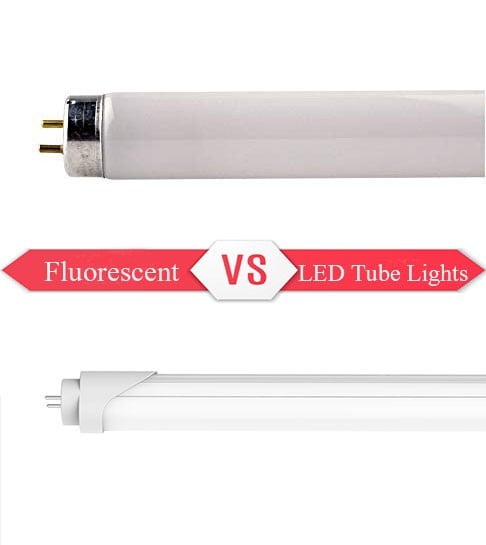
LED vs Fluorescent TubesFluorescent lighting has been around for over 100 years.
When compared to incandescent lighting, florescent lights have long been touted as energy-efficient

, longer-lasting, and a great way to illuminate large spaces.

However, as the Light-Emitting Diode (LED) continues to evolve,

many experts and business owners have found sound reasoning in switching to this modern lighting.

Below, our experts here at Action Services Group help explain why it may

be time for you to invest in LED technology in our latest blog LED vs. Fluorescent Tubes.


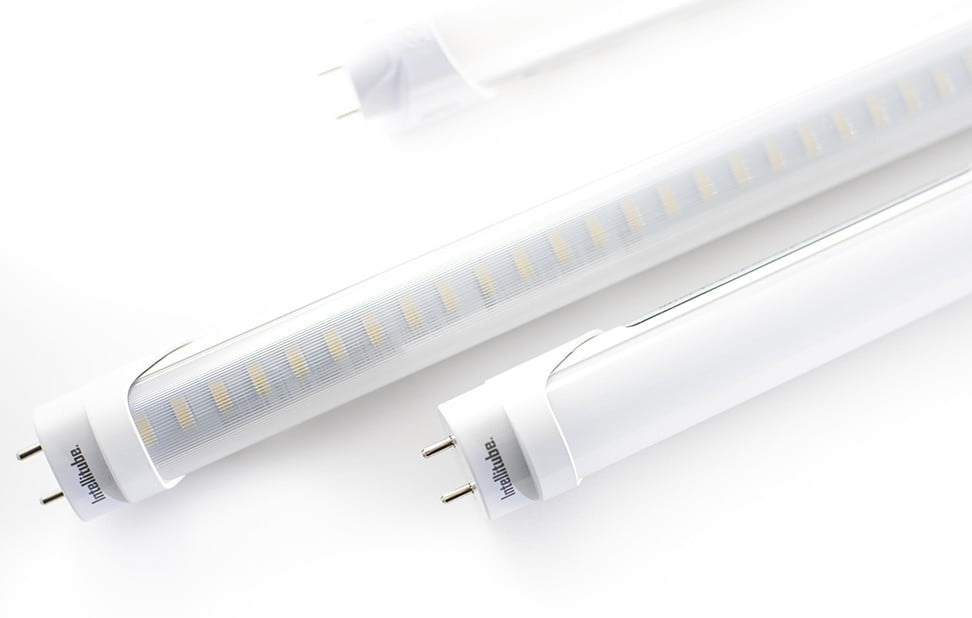
What Is A Linear or Tube Fluorescent Light?

Fluorescent lights are part of the High-Intensity Discharge (HID) family.
As such, they produce light through the use of a type of gas-discharge.

Fluorescent lights typically consist of a glass outer tube that encases a thinner arc

tube that is internally treated with a fluorescent coating. Within this arc tube, an inert mercury gas is contained.

When an electrical charge is supplied to the arc tube, it excites the mercury gas and releases ultraviolet (UV) radiation.

When the UV radiation interacts with the fluorescent coating, it creates light.

Standard linear fluorescent lights are typically available in tubes that measure 48- to 84 inches in length.


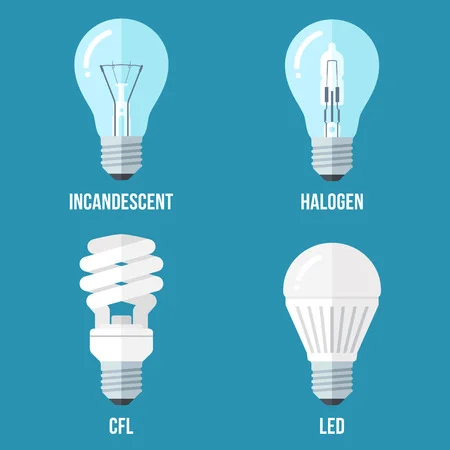
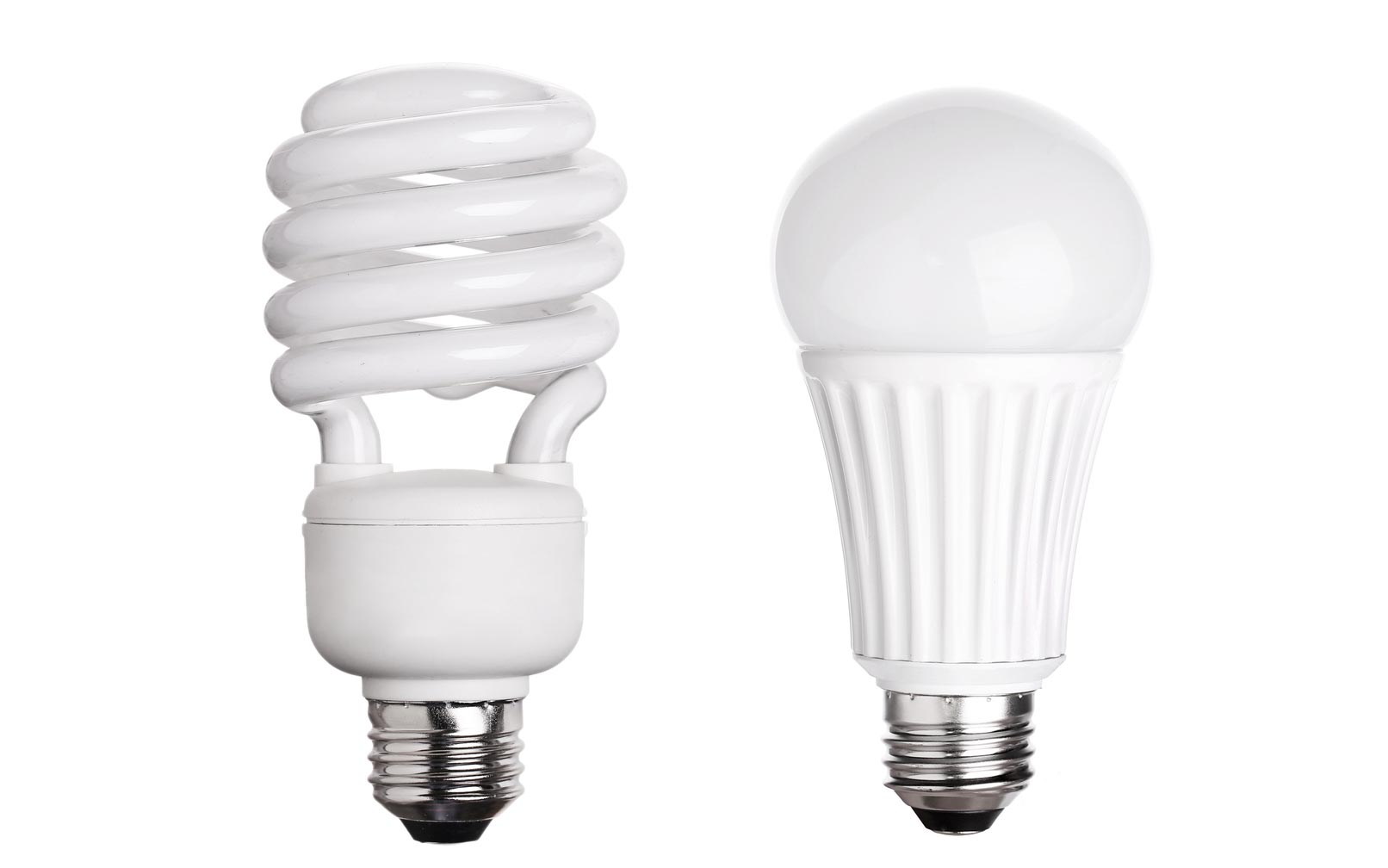
CFL: A Compact Variant


While modern technology has created subsets of fluorescent lighting,

it is not uncommon for users to mistake CFLs for linear fluorescent lights.

CFL, which stands for Compact Fluorescent Light, are smaller versions of the standard fluorescent lighting we are talking about.

While CFLs are available in linear shapes, they are more commonly coiled in appearance. 

LED vs. Fluorescent Tubes Cost Savings

When it comes to retrofitting an older system or installing a new one, cost savings is often one of the biggest factors.

When talking about lighting installations, the overall cost impacts

need to take into account the overall energy consumption costs as well as those related to maintenance.

Let’s take a closer look at how LED vs. fluorescent tubes stack up when it comes to cost savings.

Energy Savings

We have noted that florescent lights are considered more efficient than incandescent bulbs.

However, nothing beats the energy savings when it comes to an LED. Fluorescent lights are omnidirectional.

This means they emit light a full 360 degrees around the bulb itself.

LED lights are one-directional, meaning they emit light in a focused 110-degree area.

But what does this mean to you? Fluorescent lights will rely on the use of a reflecting plate.

This causes an immediate reduction in lighting quality by 15%.

In addition to this, a fluorescent bulb relies on heat to produce the UV radiation from mercury gases.

When light is emitted in an omnidirectional manner, it means that heat escapes from all sides as well.

This results in more power being needed to maintain the same level of lighting.

LEDs, on the other hand, do not require any heat to produce light and emit very little of it while in use.

(Want an additional cost savings? By reducing the heat emitted by your lighting sources,

you can also expect to decrease your air-conditioning use!) Additionally, fluorescent lights need time to warm up.

While today’s technology has led to the development of florescent bulbs that warm up rapidly,

they still suffer from a delay in reaching maximum illumination.

LEDs reach full illumination immediately,

meaning energy is not wasted on bringing the lamp up to the required temperature

to produce mercury gas-based UV radiation.

Because lighting accounts for almost 40% of your entire power bill,

every second you can cut down on powering light fixtures means money you save.

Based on the direction, loss of heat, and reflection reductions –

LED lights provide almost 70% more light when supplied with the same amount of energy as a fluorescent tube.

Maintenance Savings

When it comes to linear LED vs linear fluorescent lamp maintenance, LEDs again take the lead.

Fluorescent tubes typically last between 3 and 5 years.

However, because the internal ballast is rather fragile,

should that component be damaged in any way, the lamp will no longer work. Should the ballast not be damaged,

a fluorescent tube shows signs of light degradation as it nears the end of its lifespan.

As the tube begins to die, the ends will blacken and the light will flicker,

which can cause health issues for those exposed to it.

(Headaches, migraines, eye issues, and epileptic seizures are just some of the potential concerns.)

LEDs, however, last between 50,000 and 100,000 hours.

Made of more robust materials and a simple solid-state diode assembly,

LEDs are extremely durable and can withstand much more abuse and vibration than fluorescent lamps can.

In fact, some linear LED manufacturers are so confident in their durability,

they even offer a 10-year warranty on their lamps.


At the end of the day, whether you damage the ballast of a fluorescent tube or not,

you will need to replace it 3.5 times more often than you will need to replace an LED.


LED vs. Fluorescent Tubes Quality of Light

When it comes to the expected quality of LED vs fluorescent tubes, experts again recommend LEDs for all our lighting needs.

Why?

Performance

We have already discussed how robust an LED light is when compared to a fluorescent lamp.

However, the spectrum of light that is available from LEDs far exceeds what is available through its fluorescent counterpart.

Because of its inherent design, the entire color wheel is represented through the diodes used in an LED.

This allows it to produce all shades of color, including even the slightest variations between bright white and natural light.

Fluorescent lighting, however, utilizes the blue, green and red color wheel.

This gives the lighting an extremely artificial feel and has been known

to increase the likelihood of headaches and eye problems. Furthermore,

it can skew the colors of objects under them.

Depending on what your business does, this can be an issue.

Lumens

Fluorescent lights produce between 50 and 100 lumens per watt.

By comparison, LEDs can produce roughly 130 lumens per watt.

For example, a T5HO Commercial LED tube light uses only 25 watts to produce an output of 3334 lumens.

In other words, LEDs require fewer watts to produce a brighter light.

كيفية توصيل القواطع الكهربائية المنزلية

lightning
We are pleased to have you visit our pages on social networking sites, where we publish exclusive offers on our website.

 Facebook page here.

Twitter account is here.