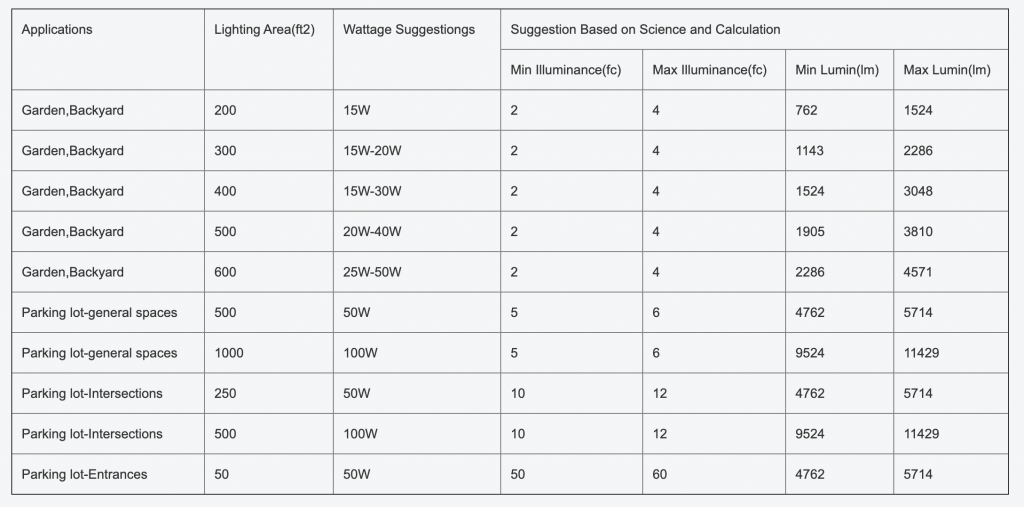
Posted on Leave a comment

Ex de lighting fixtures and floodlights with LED technology 2022

Ex de lighting fixtures and floodlights with LED technology

1. Introduction It’s appropriate to clarify some beliefs about LED lighting fixtures and,

more specifically, about their use in the…
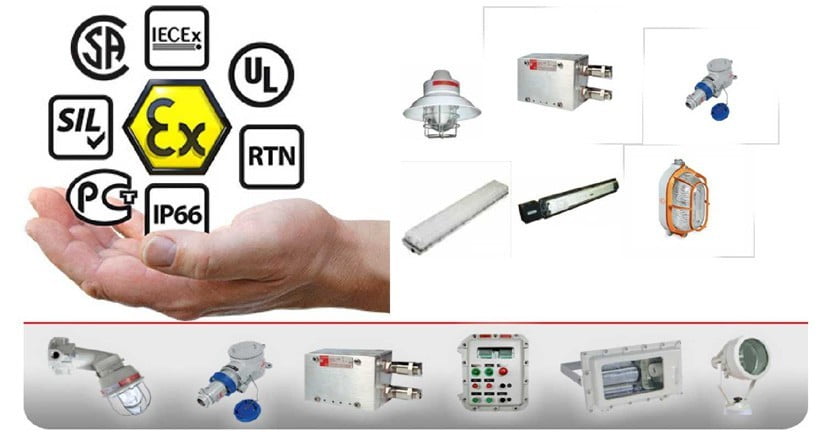
Ex de lighting fixtures

It’s appropriate to clarify some beliefs about LED lighting fixtures and, more specifically,

about their use in the segment of environments with a risk of explosion and fire:

as men progressed in a continuous research of new technologies through by the technique of breaking stones

for tools and the creation of energy by exploiting the natural flow of the rivers, in the same way Cortem is pursuing

this philosophy approaching new technologies and adapting them to specific projects of research and development

without being fossilized in the past.

First, we analyzed carefully what the LED market was offering us by comparing the production quality of each manufacturer.

The analysis has led to choose products that could give us the appropriate functional guarantees

about the very low “infant mortality” of LED and, therefore, we continued with the

engineering of new lighting fixtures designed depending on application parameters guaranteed by the producers themselves.

These parameters must be appropriate to the right temperature dissipation for an adequate and sustainable use

in terms of the warranty for the customer.In fact, as you can see from the following photos,

the new series of LED lighting fixtures and floodlights designed by Cortem have nothing in common with

lighting fixtures and floodlights for  discharge lamps.

The old “enclosures” are not suitable to be used as a support for LED and do not lend themselves

to dissipate the temperature generated, compromising the proper functioning and durability.

Unfortunately, the “adaptation” and the transformation of old Ex lighting fixtures to new LED lighting fixtures

are very widespread practices in the market. This leads to poor performance and limited benefits in

terms of energy and cost savings for the end user.

The use of appropriate LED lighting fixtures allows to obtain numerous advantages.

Consider that a discharge lamp of 400W can be replaced with LEDs with a power of 160 W,

with an energy saving of about 60%. Furthermore, current Cortem LED lighting fixtures,

in addition to being not much more expensive to lighting fixtures for discharge lamps,

are plenty amortized over time due to the lower costs of maintenance.

The frequency of maintenance, in fact, decreased by 1.7 compared to the activity required for the re-establishment

of a discharge lamps lighting fixtures. It’s well known that a discharge lamp has an average life ranging from 3.000 to 10.000 hours

and then stops working, while LEDs  have an average life of 50.000-70.000 hours and

continues to work, only losing luminous efficiency.

The use of LEDs in the new range of Cortem products allowed us also to get floodlights with T5 class temperature,

much lower than the class temperature of the floodlights with discharge lamps (T2 / T3).

They can therefore be installed in hazardous areas where, until now, it was unthinkable to install a floodlight.

One of the main problems encountered, in order to ensure the safety in the workplace,

is to ensure an adequate level of illumination of the plants. In particular,

the characteristics of electrical equipment installed in areas with danger of explosion are designed with even

greater attention to get good illumination and reduction of risk conditions.

About 80% of all our sensory impressions are of optical nature and they need of light as a vehicle of information.

Good lighting, therefore, not only facilitates the vision and the recognition, but it greatly reduces the danger of accidents.

The devices that are installed in hazardous areas must therefore ensure, in addition to explosion protection,

the proper lighting required for the execution of all work operations in conditions of maximum security and must

have other characteristics, such as the reduced need for maintenance in order to minimize

risks associated with the equipment operation.

The LED is a light-emitting diode, otherwise, an optoelectronic device that uses the optical properties of

some semiconductor materials to produce photons through the phenomenon of spontaneous emission.

The first LED was developed in 1962 and, from that moment on, the technology has made great strides.

Today we have components that can be effectively used for industrial lighting.The main advantages of using

LEDs in lighting fixtures can be summarized as follows:

  • Reduced dimensions and lightweight than conventional lighting fixtures of equal power
  • High efficiency and energy savings
  • Long life (approximately 100,000 hours) with consequent reduction of maintenance costs
  • Resistance to vibration
  • No UV emission
  • Instant restrike
  • Excellent performance in harsh application
  • Anti-light pollution

In the specific case of the use of such components in the construction of lighting equipment used in classified areas,

the main advantage lies surely in the long duration that, in addition to being convenient in economic terms,

means a smaller number of maintenance interventions (lamping) on lighting equipment.

This is very positive in terms of safety, because, as you know, every intervention on equipment installed

in areas with risk of explosion increases the risk level of the system.

Another advantage of LED is that, unlike other sources of artificial lighting, once reached its limit of life,

not shut down abruptly, but continues to operate with a luminous flux reduction. This is synonymous of safety,

especially in those places of the plant where the lighting is fundamental to prevent accidents or injuries.

2.1 The light spectrum

The light spectrum of white LEDs of the latest generation, such as those used for the realization of our LED range,

is about as close to sun light spectrum. In the diagrams below, you can appreciate the differences between

the spectrum of sunlight and of other light sources, such as fluorescent lamps, discharge lamps and white LEDs.

For our LED products, we use only Cree LEDs with maximum efficiency,

in order to obtain the best light quality and the maximum lumen output.

All lighting fixtures have a CRI (Color rendering index) > 70 and a standard light color cool white 5700° K.

For special needs, can be requested a different color temperature.

After analyzing the characteristics associated with the use of LED technology,

let’s see the features of LED lighting fixtures that allow their use in classified areas for the presence of an explosive atmosphere.

For use in areas with danger of explosion is obviously necessary that the lighting equipment are designed,

built and certified according to technical regulations implemented by the ATEX Directive 94/9/ EC

and by the new ATEX Directive 2014/34/EU entered in force on March, 30th 2014. It will repeal,

with effect from April 20th 2016, the ATEX Directive 94/9/EC. The protection methods that can be used are the following:

  • Ex “d” explosion-proof: the philosophy of this method is based on the consideration that it’s not possible to prevent a gas to spread everywhere. The main advantage of this method of protection is that the electrical elements installed inside the lighting fixture, constructed to contain any explosion, are common components easy to find.
  • Ex “e” increased safety: the purpose of this method is to ensure security measures to prevent the formation of arcs or sparks. The main advantage of this method of protection is its simplicity of construction and, above all, applications. One of the disadvantages is the fact that the components, besides not being easy to find on the market, must be individually protected.
  • Ex “m” encapsulated: the purpose of this method is to prevent an explosive atmosphere may come in contact with ignition sources by encapsulating the equipment.

Cortem has designed and manufactured a full range of lighting equipment and floodlights that use the latest LED technology generation.

The LED technology in the coming years, will certainly replace other sources of

artificial lighting designed to obsolescence because of operating costs, environmental problems and ease of use.

4.1 EWL series lighting fixtures and floodlights – High Bay

EWL series consists of three models of High-bay lighting fixtures, EWL 70, EWL-80, EWL-100,

and three models of floodlights, EWL-70/ .., EWL-80/…, EWL-100/… with different optics:

Narrow (10°), Medium (20°) and Wide (40°).

Through the use of optics with different angles, you can get the optimal light beam in well-defined areas.

This allows maximum versatility of use, ensuring the proper illumination of the workplace.

A new feature for these lighting fixtures is the possibility to be powered at 24 VDC.

For the first time in the lighting history of areas with danger of explosion,

it’s available a lighting system with a lighting efficiency comparable to that obtainable with discharge lamps,

powered directly with alternative systems such as wind turbines, solar panels, battery systems.

As we said in the introduction, the LED lighting fixtures must be designed and constructed specifically.

The construction of bodies in aluminum alloy, designed with elements of heat dissipation,

is the key to obtain an efficient and long lasting system.

The housing of the feeder must be correctly calculated in terms of volume to allow easier heat dissipation.

In the picture below you can appreciate the thermo-graphic survey.

The finned body, made of aluminum alloy, acts as a heat sink for the LED plate mounted directly inside,

on the body of the lighting fixture allowing it to dissipate more quickly and effectively

the heating generated by the operation of the LEDs themselves.The design of the lamp body,

in addition to being functional to the duration of the system,

has allowed obtaining equipment with high luminous efficiency in relation to the maximum surface temperature.

This is a very important factor for the installation of lighting fixtures in places of danger,

containing gas or powders at low ignition temperature.

A further saving is obtained thanks to the fact that, while discharge lamps requires a preheating time for their complete ignition and,

for this reason, the lights of a plant are lighted up 24 hours, LEDs have an Instant Restrike.

A LED system can be effectively connected to automatic ignition system in case of low light,

allowing the use only for periods actually needed and, consequently, with a further saving of energy costs.

LED technology allows also adjusting the light output according to the real needs of the room to be lighted (dimming).

EWL series features with ‘Ex de’ method of protection for Gas and ‘Ex t’ for Dusts.

This choice allows powering the equipment through a ‘Ex e’ cable gland and without the need to perform sealings on field.

A tapped hole opposite to the entrance of the cable, allows the connection through wiring.

It’s now available a new version of the EWL-80 series, the EWL-801, both in lighting fixture and floodlight version.

The EWL-801 makes it possible to obtain, with the same size but with a power consumption of 110W,

a lumen output almost twice respect to EWL-80, 10100 lm compared to 6050 lm,

and a maximum light intensity much higher: 4330 cd for the lighting fixture version and 118670 cd (EWL-801/10),

51680 (EWL-801/20) and 20900 (EWL-801/40) for the version with optical concentrating of the light beam.

The series EWL has been certified and complies with the requirements of the following standards:

• EN/IEC 60079-0 Electrical apparatus for explosive atmospheres due to the presence of gas – Part 0:

General requirements;

• EN/IEC 60079-1 Explosive atmospheres – Part 1: Equipment protected by flameproof enclosures “d”;

• EN/IEC 60079-7 Explosive atmospheres – Part 7: Equipment protection by increased safety “e”;

• EN/IEC 60079-31 Explosive atmospheres – Part 31: Equipment with protection by enclosure “t” for use in presence of combustible dust.

It was also subjected to the tests required for the photo-biological risk assessment regulated by IEC/EN 62471 standards.

These tests measure the amount of emissions of UV, blue light and infrared radiation (IR),

which may cause damage to the skin and eyes (retina and cornea) operators.

The lighting fixtures and floodlights EWL series are EXEMPT from the photo-biological risk.4.2 EVL series lighting fixtures

The new LED compact lighting fixtures EVL series features Multichip LED formed from a matrix of LEDs

connected together and covered with a layer of diffused phosphorus. This technology allows obtaining high

values of lumen output and the installation at low heights, without the risk of disturbing the operator.

The EVL series consists of three lighting fixtures sizes: EVL-60, EVL-70 and EVL-80.

It represents the LED alternative for all those areas in which it was usual to use lighting fixtures with discharge

lamps of low and medium power up to 400W.

It’s equipped with fins that act as a heat sink and the electrical connection is easier thanks to a ‘Ex e’ terminal box,

which allows the entry with a ‘Ex e’ cable gland (no barrier). In addition, a tapped opposed hole allows the loop in/loop out facility.

In the following table, we can compare the power of EVL series lighting fixtures and of traditional lamps.

You will immediately appreciate the savings you can get.

4.3 EVE-L series lighting fixtures with LED remote phosphor technology – Low Bay

EVE-L series Cortem lighting fixtures are designed to provide an optimal replacement to the conventional incandescent lamps from

50W up to 200W. It’s available in two sizes: EVE-5050 end EVE-5060.

The peculiarity of these new lighting fixtures consists in the use of the LED Remote Phosphor Technology

on explosion-proof lighting fixtures.

This represent an absolute evolution in the world of LEDs and an important step forward in terms of energy efficiency,

lighting efficiency and chromatic yield quality.

The LED Remote Phosphor Technology is based on a yellow semi-spherical light diffuser that, when the lighting fixture is on,

absorbs the light produced by the internal LEDs and releases white light.

The EVE series allows to replace the lighting fixtures which use incandescent and energy-saving lamps with a

long lasting light source that ensures a better efficiency and an equal brightness comfort.

4.4 FLF-…L and FLFE-…L series lighting fixtures

Lighting fixtures for LED tubes FLF-…L (Ex d) and FLFE-…L (Ex de) series have two low copper content aluminium

heads with G13 lamp holder, a tempered borosilicate glass tube, that is resistant to changes in heat,

and a white painted aluminium reflector.

Both the series are available with one tube or with two tubes.

FLFE-…L series, in ‘Ex de’ way of protection, features an

“Ex e” terminal board housing that allows entry to the fixtures with a cable gland with an

“Ex” seal (normal), while FLF-…L series, in ‘Ex d’ way of protection, as specified in the appropriate installation standard

(EN/IEC 60079-14), the entry to the fixture must be through an Ex “barrier” cable gland (sealed)

or, in the case of a conduit system, with an EYS, EZS series sealing fittings.

The use of LED tubes, which have the same dimensions of fluorescent ones, allows to obtain economy in operating costs,

due to their long life, high-efficiency lighting, thanks to directional light,

and LED light quality with a color rendering index of 85 (CRI).Furthermore,

LEDs do not ionize the particles of air around the lamp and do not attract, then, the dust particles suspended in the air.

The round cross section of the lighting fixtures provides a better “Cx” coefficient with less resistance

to the wind and less accumulation of dust. FLFE series has been designed to facilitate and speed up maintenance operations.

As the electrical components are housed on a frame with guides,

re-lamping is quick and efficient. Furthermore,

the different types of mounting attacks and the absence of sealing fittings make the lighting fixtures particularly well performing.

4.5 EXEL-L series lighting fixtures (Work in progress)

EXEL-L series increased safety lighting fixtures for LEDs tubes are suitable to be installed in hazardous areas

1, 2, 21 and 22 where a high degree of protection and resistance against corrosion is required such as

in chemical and petrochemical plants, off-shore and on-shore plants, processing areas in food industries

etc… EXEL-L series is polyester made, with ‘Ex e-mb’ method of protection for LED tubes with remote

phosphor diffusers to reduce glare.

The through wiring double ended makes installation on field easier and

faster than normal lighting fixtures.

The transparent cover is clipped into place on both sides of the fixture body with 8

clips on the 785 mm model and 14 clips on the 1370 mm unit.

This ensures excellent protection against dust and water over time despite of degradation caused by ageing.

4.6 EVML-50 series lighting fixtures – Low Bay (Work in progress, end 2014)EVML-50 lighting fixtures,

in the design development phase,

have been conceived to offer a Low Bay lighting fixture that could replace incandescent equivalents at lower costs.

They are suitable for the illumination of small areas in which it’s necessary to limit the obstruction such as tunnels,

passages, corridors, stairways, perimeter walls and command and control cabins.

The EVML-50 series features the ‘Ex e mb’ method of protection:

the electronic board and the LEDs are protected with silicone of high transparency.

4.7 EVOLED series lighting fixtures (Work in progress)

The new EVOLED series lighting fixtures are designed for the internal lighting of boilers,

tanks, evaporators, silos, storage tanks, pipelines or other containers present in all those areas where hazardous vapors

, gases, dust or other fuels are present during the normal operation of a plant.

In addition to ensuring low power consumption and light efficiency,

the lighting fixture is provided with an external switch for an easy switching on and off after installation.

4.8 SLED series floodlights (Work in progress)SLED series rectangular floodlights, in the design development phase,

are equipped with “Wide area” optics for the symmetric and asymmetric illumination of industrial areas,

in general, and of hazardous areas.

Designed with ‘Ex m’ method of protection (encapsulation), SLED series floodlights are characterized by size,

weight and power consumption much lower than the floodlights fitted with conventional discharge lamps.

Safety is essential for workplaces and, especially in areas with potentially explosive atmospheres, the risks are very high.

Any system, therefore, that allows to reduce the level of risk is always well accepted.

Furthermore, if there are savings in money and energy, then the advantage is total.

The LED lighting in industrial sector is a path just started, but it’s definitely the

way to be followed to ensure a future of light and safety.

We summarize here, in conclusion, the main advantages that presents the range of Cortem’s

LED products with which we set ourselves several steps ahead in terms of technology against competitors:

  1. Energy saving with maximum efficiency, more light and less consumption.
  2. Longer life than conventional bulbs and, thus, reducing of maintenance costs.
  3. Savings of plant costs, lower costs to bring energy to the lamp.
  4. Directional light and superior quality allow a better identification of the colors of illuminated objects. Safety in the workplace.
  5. Use in lighting systems at low voltage (24Vdc).
  6. Resistance in the ON / OFF cycles.
  7. No Light Out for the security in the workplace.
  8. Resistance of the components to the electrical and mechanical stresses.
  9. Less weight, less volume, easier handling.
  10. Excellent heat dissipation for longer life of the LED.
  11. Possible electronic control of the light output (dimming).
  12. Respect for the environment, compliance with the standard anti-light pollution.
  13. Excellent performance in extreme climates.
  14. Immediate availability of the maximum light output power.
  15. Very low mortality of LEDs.
  16. Lower temperature classes.
  17. ‘Ex de’ method of protection allows the entry of the cable without realizing any conduit system with sealing.
  18. Possibility of replacing the LED plate with a more advanced technology (Future Proof).
  19. In the remote case of failure of one of the LEDs, the Ex safety remains unchanged.
  20. Multifunctional. From lighting fixtures to floodlight with the sole plate replacement.
  21. Guaranteed 50,000 hours (25° C ambient temperature).
  22. Suitable for classified areas as IIB and IIC.
  23. 100% recyclable.
  24. No flickering.
  25. Absence of hazardous substances such as the mercury for fluorescent lamps.
Electrical transformers

We are pleased to have you visit our pages on social networking sites,

where we publish exclusive offers on our website.

Our Facebook page here .

Our Twitter account is here .
Posted on Leave a comment

What are the differences between LED chips ? 2

q

What are the differences between LED chips ?

Which type should I choose?

LED strip lighting can be manufactured using a variety of different LED chip types.

Below, we’re going to explain the main differences between them –

by comparing the most commonly used chip types on the LED tape


LED chip


What does the number of an LED chip mean?

LED chips (also known as surface mounted diodes or SMDs) are all identified by a four-digit number.

This code is less complicated than it looks – it simply indicates the size of the LED chip.

For example,

the dimensions of SMDs on LED strip lights are 5.0mm x 5.0mm.


Which is the best LED chip?

LEDs like s, s, s and s aren’t really different types of chip at all – they’re simply different sizes.

Each has its own spec: different power requirements and output brightness.

The best choice depends on what’s right for your project.

You can find out more about each LED chip below.


The LED chip explained

Measuring 3.5mm x 2.8mm, the SMD is a smaller chip than the LED strip SMD.

You will most often find chips on 12-volt LED strips, drawing 4.8 watts

(also known as 4.8w p/m or 5w p/m LED tape) with 60 SMDs per metre.

These strip lights output around 330-360 lumens per metre,

depending on colour (equivalent to a 40w halogen) – enough to produce a smooth,

bright effect when shining onto any surface.

InStyle offer red, green, blue, amber, and both warm and cool white SMDs as standard colours.

(We can also supply other white colour temperatures, made to order.)

60 SMD p/m LED strip lights are typically used for feature lighting –

such as plinth or coving lights, in homes, bars, restaurants, hotels and other locations.

Though less common than standard 60 SMDs p/m LED tape, SMDs are also used on LED strip lights with 120 chips per metre.

Pulling 9.6 watts (known as 9.6w p/m or 10w p/m LED tape),

these tapes are available in the same range of colours. Light output is exactly double that of 60 SMDs p/m tape

– they have twice as many LEDs – so that’s around 660-720 lumens per metre, depending on colour.

120 SMD p/m LED strips are used for the same kind of feature-

lighting applications as its standard alternative. We recommend them for locations with strong ambient light,

where more brightness is needed than the 4.8w p/m can produce.

The cut points for our 60 SMD-per-metre LED strips are 50mm apart.

The 120 SMD p/m strips have cut points at 25mm intervals.

Both types are also available in waterproofed versions (IP67-rated).

Safe to touch

SMDs do not give off a lot of heat – you can safely touch them.

Even so, the 60 LED p/m tape requires PCBs (printed circuit boards) at least 8mm wide, and the 120 LED p/m tape

should use 2-ounce thickness PCBs.

As long as your LED strips meet these minimum specifications,

they can be simply installed anywhere because they have a sufficient heat sink not to require an additional aluminium extrusion.

There are many manufacturers of SMDs.

Epistar-branded SMDs are extremely high quality and give you the brightest SMDs on the market.

They offer excellent colour consistency and reliability, with a life of 50,000 hours at 70% output.

Cheaper alternatives are less bright and less reliable, and are prone to colour inconsistencies within the reel and between reels.


Double-power SMD explained

Double-power SMDs are the same size as standard-power LEDs.

They are available in the same colours, drawing twice the power to give twice the output.

LED strip lights manufactured using double-power SMDs have 120 LEDs per metre and pull 19.2 watts per metre

.(also known as 19.2w p/m, or 20w p/m).

Double-power LED strips use a 2-ounce 10mm wide PCB to disperse heat effectively,

in order not to require an extra heat sink when installed.

These LED strips are only available for 24-volt systems, as this carries current better.

Lumen output is around 1320-1440 lumens per metre (depending on the colour).

Because of its high brightness, we recommend this LED tape as general lighting, or to replace fluorescent tubes and halogens.


The LED chip explained

Measuring 50mm x 50mm, the SMD is larger than the SMD.

These dimensions mean that each SMD is big enough to house four separate LED chips (sometimes called ‘quad LEDs’).

LED chips are often used on 60 LED-per-metre strip lights,

pulling 14.4 watts at 24 volts (commonly called 14.4w p/m or 15w p/m LED tape).

With an output of around 990-1080 lumens per metre, depending on colour,

this tape gives you a smooth, bright effect when shining onto a surface.

Available colours are:

  • warm and cool whites (other Kelvins requirements can be manufactured on request)
  • red, green, blue, and amber single-colour
  • and also colour-changing – either RGB or RGBW (red, green, blue, white), using ‘tri’ / ‘quad’ chips (three or four LED chips in one).

These 60 SMD p/m LED strip lights are typically used for general lighting applications, such as corridor lighting,

replacing fluorescent tube lighting, in homes, bars, restaurants, hotels and other locations.


What are the differences between LED chips ?SMDs used in RGB LED strip lighting

The SMD is actually a ‘tri’ chip, meaning it has three smaller chips in every SMD.

So each white LED actually has three white chips inside.

s can also be used for colour-changing LED tape, with red, green and blue chips inside each LED.

By linking this type of RGB LED strip light to a controller, you can mix any shade of any colour you choose.

(RGBW tape is similar, but uses ‘quad’ LEDs, with an additional white chip.)

RGB LED strip lights are available in two types:

  • 30 LEDs per metre (known as 7.2w p/m or 7.5w p/m LED tape) outputs up to 500 lumens per metre and is ideal for feature lighting such as covings, plinths in homes, hotels, restaurants and bars.
  • 60 LEDs per metre (aka 14.4w p/m or 15w p/m LED tape) produces up to 1000 lumens per metre, perfect for full wall-washes such as bar frontage, back bars in restaurants, clubs, or the home.

We can supply both types of LED tape (30 and 60 LED p/m options) in waterproofed versions (IP67-rated).

The cut-points on both are spaced at 100mm intervals.

Branded Epistar SMDs are the highest quality LEDs on the market. They provide the best brightness, colour consistency and reliability with 70% output at 50,000 hours.

Using cheaper alternatives instead, you’ll get dimmer and more unreliable LEDs that output inconsistent colours within each reel and also from reel to reel.


The LED chip explained

A recent development, SMD LED chips are much smaller and much more efficient than many earlier SMD models.

The smaller size of the diodes (just 3.0mm x 1.4mm) means it’s possible to fit more of them on a length of PCB strip

– offering more brightness, without the need for more power.

At InStyle, we use SMDs in the manufacture of our specialized dual-white colour-temp changing (CCT) LED tapes.

Their compact size allows two LEDs producing different white shades to be positioned very close beside each other,

making it possible to mix a varied palette of different white-light tones from a single LED tape.

(A similar set-up to RGB/RGBW colour LEDs.)


The LED chip explained

The SMD is a new choice on the LED market. Instyle LED have now tested  chips fully, to confirm their reliability and efficiency.

2.8mm x 3.5mm in size, the chip is so far only available for white LEDs.

In practice, you can view  SMDs as a more efficient replacement for the –

producing 20% more light but drawing less wattage. Each  SMD pulls 0.2w

(a SMD pulls 0.24w), so that’s around 12 watts per metre compared to 14.4w for the SMD,

based on 60 LEDS p/m. Because the SMD is smaller and doesn’t get as hot,

it’s possible to mount up to 120 LEDS p/m – that’s 24w p/m – giving up to 2600 lumens per metre!

  • Cool white SMD 60 LEDS (14.4w p/m) = 1080 lumens per metre
  • Cool white SMD 60 LEDS (12w p/m) = 1300 lumens per metre
  • Cool white SMD 120 LEDS (24w p/m) = 2600 lumens per metre

InStyle’s LED strip lights are mounted on 2-ounce PCBs (10mm width) for better heat dispersion, superior reliability and longer life.

So this really is a product for the future.

We supply both 12w and 24w p/m LED tapes, in warm white, cool white or any custom white shades.

We also offer splashproof IP65 and waterproof IP67 heatshrink-coated options.

Now that chips have been available long enough to prove themselves,

we confidently predict that more people will switch to them from SMDs, as they realise the advantages.


The LED chip explained

The SMD has been around for several years, but has only recently become an option in the LED tape market.

(Before that, most LED suppliers used these chips on thick PCB rigid strips rather than LED tape, as they require a very good heat-sink.) SMDs have dimensions of 5.6mm x 3.0mm.

A larger LED doesn’t always mean brighter – but in this case, the chip outputs far more light than the more common SMD.

High-quality chips on 60 LED p/m tape can produce up to around 2700 lumens.

(To give an idea of the importance of component quality, lower grade SMDs output less the 2000 lumens per metre.)

LED tapes mounted with SMDs generate more heat than some other LED chips.

Because of this, we recommend installing SMDs with either an aluminium extrusion,

additional heat-sink backing or a thicker and wider PCB. Without these, your LED strip lights may work initially

– but brightness will likely reduce quickly, because overheating is the biggest adverse contributor to the brightness and lifespan

of LEDs. Used 8 hours per day, overheating could see you lose up to 20% in brightness per year!

Instyle LED always uses thicker, wider PC boards and A-grade Epistar-branded SMDs,

so you can always rely on the quality of our LED tape components. We offer this product in all shades of white.

We don’t advise the use of heatshrink to waterproof SMDs, as it can lead to overheating issues.


Summary of LED chip types

In the end, the type of SMD chip doesn’t matter – as long as it can meet your requirements.

InStyle recommend branded Epistar LEDs for the reasons we discussed above (brightness, reliability and colour batching).

When purchasing LED strip lights, you should ask yourselves these questions:

  • Do you want feature lighting, task lighting, colour changing, waterproof, etc?
  • Dimmable or non-dimmable?
  • What colour do you want?
  • How bright do you need the LED strips?

كيفية توصيل القواطع الكهربائية المنزلية

lightning
We are pleased to have you visit our pages on social networking sites, where we publish exclusive offers on our website.

 Facebook page here.

Twitter account is here.


Posted on Leave a comment

LED Profile Installation Guide

LED Profile Installation Guide


There is potential danger of electrical shock when operating electrical components.

Make sure power is turned off before installation
Do not install in a sealed environment – allow for heat dissipation and adequate ventilation
Install Aluminium LED Profile in properly rated environment
Aluminium LED Profile stock length is 1.8 mNote: Aluminium LED Profile is rated IP20; it is recommended to remove lens cover for cleaning on a scheduled basis

LED Profile

Terminations

Factory Termination
Aluminium LED Profile is assembled and does not require any mechanical work. Connect lighting as per LED Ribbon wiring diagrams.

Field Termination
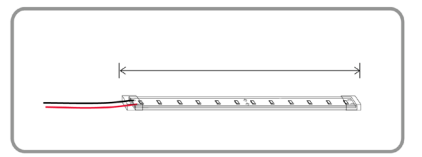
1. Lay out and measure the length of the LED Ribbon

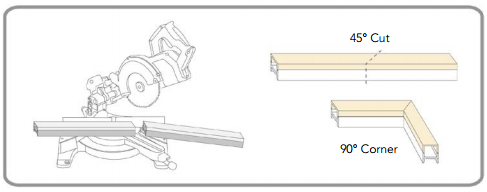
2. Cut Aluminium Track and Lens with mitre saw to suit LED Ribbon length – add 6 mm extra length for end cap. Miter joints at 45° can allow the track to take 90° corner turns
Tip: Cut the track and lens in place for a flush edge

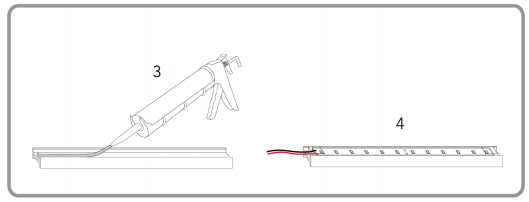
3. Apply silicone adhesive on to track

4. Place LED Ribbon light on the flat surface in the channel

5. Use masking tape to fasten LED Ribbon in place while adhesive cures

6. Allow adhesive minimum of 24 hours to dry; it takes 7 days to fully cure
Tip: Align multiple aluminium tracks end to end to connect pieces longer than stock length

7. Fit the lens onto the aluminium track

8. If a hole doesn’t already exist, drill one through an end cap to allow LED lighting lead wires to pull through

9. Fit end caps onto the finished profile

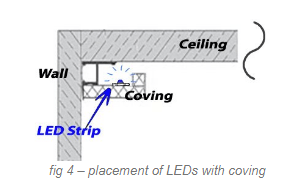
If you are fitting/moulding your own coving, you can choose how far down from the ceiling you want it. Once your coving is in place, a good tip for positioning your LED tape is to fix it as far from the back wall as you can, so as to avoid seeing visible light-dotting. (Try to fit it at least 50mm from the wall.)

Mounting

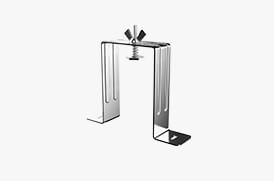
Mounting Clip

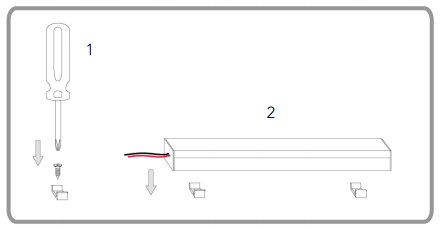
1. Mount track clips onto surface with flathead screw

2. Snap on Aluminium LED Profile to clips

Please note that these instructions are guidelines only and in no way supersede any construction or installation standards.
Local building and electrical codes should be consulted before installation.

كيفية توصيل القواطع الكهربائية المنزلية

lightning
We are pleased to have you visit our pages on social networking sites, where we publish exclusive offers on our website.

 Facebook page here.

Twitter account is here.

Posted on Leave a comment

Led Profile User Guide 2022

Led Profile User Guide


china led aluminum profile lightstecWhen you are sourcing led aluminum profile, you need to know some basic knowledge.

This post as a led aluminum profile WIKI will give you all you want to know here.

This will help you more understand led aluminum profile industrial and sourcing the right high-quality products.

You only need to spend a short time reading this article then you can know more clearly about the led aluminum profile in the lighting business.

What are LED Aluminum Profiles?

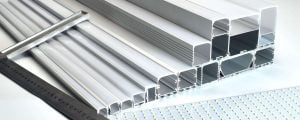
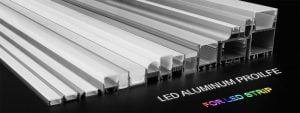
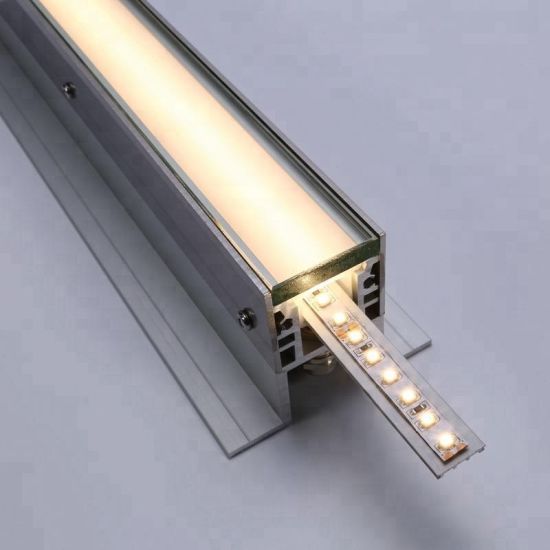
Led aluminum profiles, also known as Led extrusions, are lightweight channels typically made from

aluminium which are designed to house and protect kinds of LED strip lights.

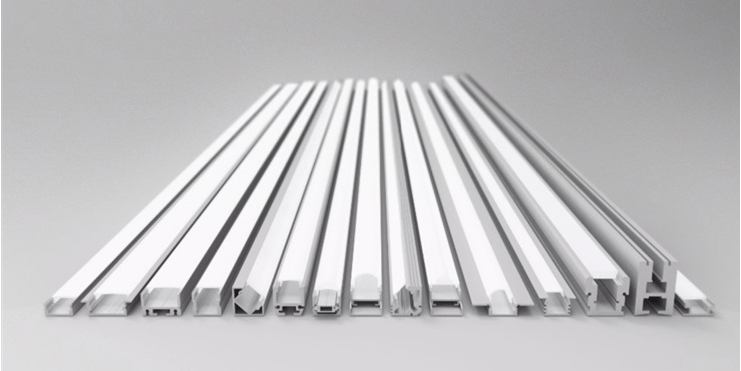
They are available in many different shapes, sizes and depths and can be installed in a variety of ways.

They often require a diffuser/cover for an even distribution of light,

avoiding any unwanted spotting effects that LED tape can sometimes cause.

Many are made using fully anodized corrosion-proof aluminium, making them ideal for use outdoors too.

led aluminum profiles

What types of led aluminum profiles are available?

LED aluminium channels vary in terms of their profile shape and the way in which they are installed.

When choosing your aluminium profile the most important features to consider are:

Shape: Either rectangular, circular, corner.

Be sure to make note of the maximum tape width of each channel to ensure it is compatible with the LED tape you will be using.

Depth: How deep do you need your channel to be? For installations where space is limited a slim line profile would be most suitable.

For those which use thicker LED tapes, a deeper channel may be required to house the strip lighting.

Installation: Would you like your LED lighting to be surface mounted, suspended or recessed (into tiles, plaster or into the ground)?


Different Types of Profiles

You might hear the terms “profile,” “die”, and “extrusion” and wonder what the difference is between them.

However, the truth is that they are all the same.

The term “aluminum profile” describes the shape that is made when the aluminum is pushed through the custom aluminum extrusion profile or die, which is made from strong metal to withstand the pressure that is put on it during the extrusion process.

An “aluminum extrusion” is the end result of the work that is done to create the parts, pieces, or products through the extrusion process. Some tubes are round, some are oval, a few are squared.

The shape is the profile or die at the end of the tube that is used to create the shape of the toothpaste as it goes on your toothbrush.

Choose a different shape, get a different result.

The same holds true with aluminum extrusion design.

Some of the shapes used in aluminum industry solutions for LED lighting include:

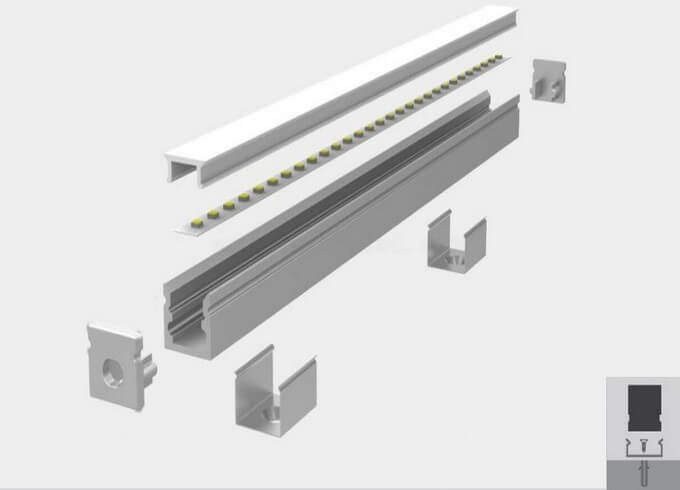
shallow recessed extrusion

deep surface extrusion

tube surface extrusion

thin surface extrusion

deep recessed extrusion

shallow surface extrusion

corner extrusion

optic lens extrusion


Types of led aluminum profiles including:

Rectangular LED Aluminium Profiles: Also known as shaped aluminium profiles, these are the most commonly used channel in LED installations.

They are available in a variety of sizes and colours suitable for both home and commercial environments.

Many are surface mountable with screw-in brackets, however suspended and recessed varieties are available.

Circular LED Aluminium Profiles: With lighting angles varying from 180º to 360º illumination, circular profiles are ideal for installations with a modern finish.

Although many circular profiles are best suited to surface mounting with brackets, some can be suspended with cables to create light tubes.

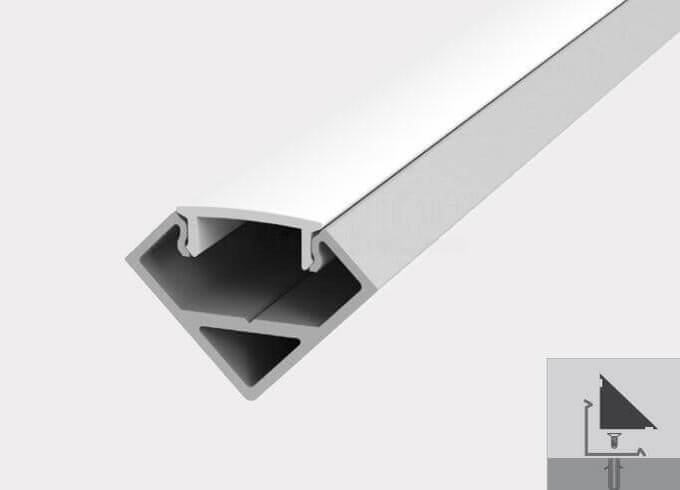
Corner LED Aluminium Profiles: Corner profiles are designed to emit light at a 45º angle,

making these channels ideal for under shelving units or in ceiling coffers.

Surface LED Aluminium Profiles: Profiles which are installed via screw-in mounting brackets are known as surface profiles,

because they protrude above the surface on which they are installed as opposed to being recessed into the surface.

They are available in rectangular, corner and circular varieties and are commonly used in furniture or retail lighting.

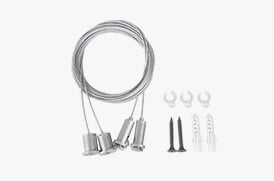
Suspended LED Aluminium Profiles: Some LED tape profiles feature the ability to be suspended when installed with our suspension cabling.

These profiles have special grooves to accommodate for additional screws and corresponding steel suspension cabling kits which are available for purchase at checkout.

Waterproof LED Aluminium Profiles: Some LED tape profiles can achieve an IP rating of65 when sealed with silicone glue.

Combined with their corrosion-proof anodized coating,these aluminium profiles are ideal for outdoor LED installations.

Recessed LED Aluminium Profiles: Recessed profiles are those which sit flush with the surface on which they are installed for a sleeker finish. They are available in various shapes,

widths and depths and can be installed in three different ways:

Standard Recessed LED profiles: These require a hole to be cut into the wall or furniture in which you wish to install it and have a trim to hold them in place.

These profiles can be used in many different materials and environments.

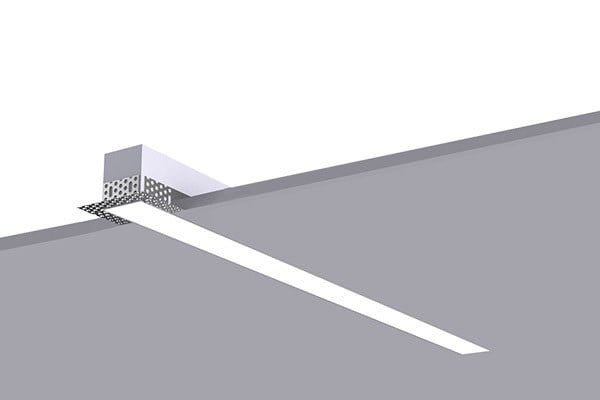
Plaster-in Recessed LED profiles: These trimless profiles are specifically
developed for recessing into plastered walls and ceilings for an incredible seamless diffused light output.

They are available in both flat and corner varieties.

Tile-in Recessed LED profiles: Tile-in aluminium profile allows you to create stunning modern lighting effect suitable for bathrooms, kitchens, and other tiledareas.

Due to the unique edge rim you can place standard depth tiles up to 10mm width on top and seal the edges as you would do normally when tiling.

Led linear light fixture for corner lightstec
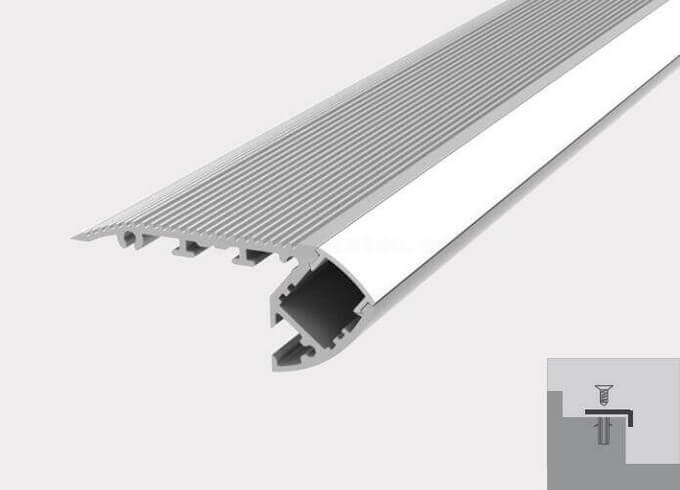
Led linear light fixture for stairs lightstec
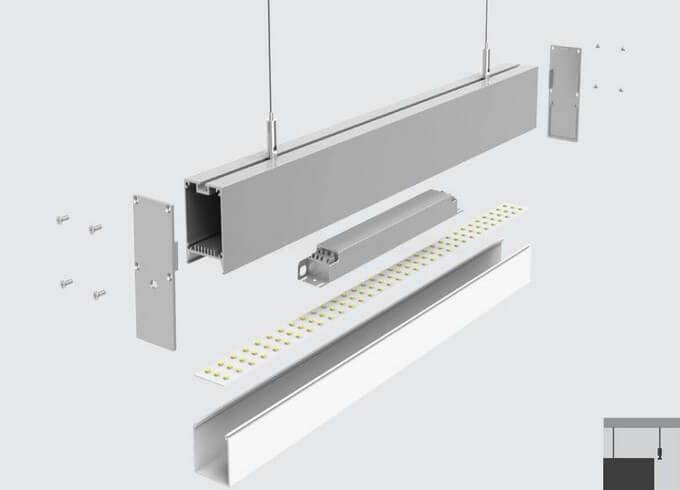
Pendant led linear light fixture
Recessed led linear light fixture lightstec
surface mount led linear light fixture-lightstec
Round size led linear light fixture lightstec

What types of products are aluminium profiles compatible with?

LED aluminium profiles are designed to house and protect runs of LED tape.

Although almost any tape can be installed into a profile that is wide and deep enough.

What are the benefits of using led aluminum profiles?

Installing LED tape in an aluminium profile is recommended due to the protective features the profile offers.

As well as protecting the tape from general wear and tear,

aluminium channel also acts as a heat sink which prevents the LED tape from overheating and thus prolonging its lifespan.

Aluminium LED strip light extrusions help to prevent contact damage if the LED tape is positioned within easy reach.

And though they are not waterproof, extrusions can help prevent moisture.

Aluminium channel also helps protect LED tape from the elements in
outdoor installations when sealed with a silicone glue thanks to it’s anodized coating.

What type of finishes are available?

Normally, our LED profiles are available in silver, white or black.

What accessories are available?

When installing LED tape into and aluminium profile, some accessories may be required.

These include:

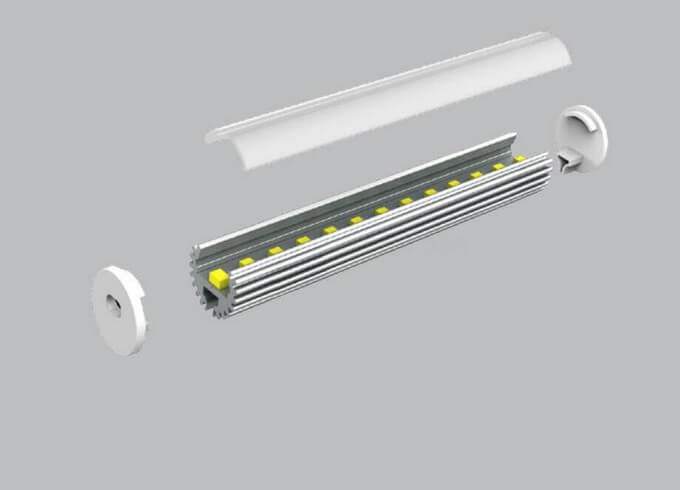
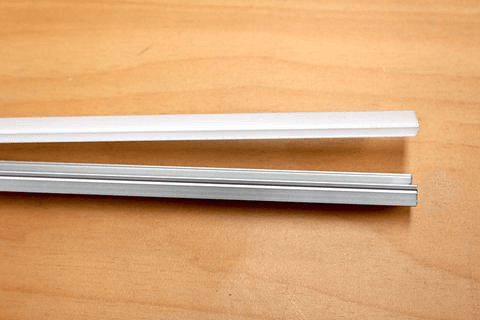
LED profile diffuser: These are lengths of plastic which diffuse the light produced by the LEDs,

producing an even distribution of light. They are available in opal, semi-clear or transparent varieties.

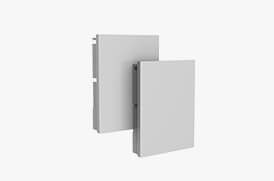
LED Profile End caps: End caps are used to seal aluminium profiles.

Sold in pairs, most end caps come with one blank side and one with a hole to allow cable entry.

They also help prevent dust from entering the aluminium profile and damaging your LED strips.

LED Profile Mounting Clips: Mounting brackets are used to secure aluminium profiles to a surface.

Simply screw the bracket onto a surface and clip in the profile.

Sold in singles,although we recommend using 2 brackets per metre depending on the profile.

clips
end cap
suspension wires

What’s the difference between LED Extrusions & LED Profiles?

There is no difference.

The terms ‘aluminium extrusion’ and ‘aluminium profile’ are interchangeable.

What is the length of an LED Extrusion?

Normally,we offer 1meter/2meter/3meter.

For longer length,

you need to think about the delivery.

How to select the led aluminum profile in project?

Selecting a channel:

led linear light under shelf lightstecTo select an appropriate channel style, consider the installation.

The surface-mount channel is an easy retrofit to an existing construction and can be affixed to a surface using metal clips (available separately) or double-sided tape.

The flush-mount channel is a good option for new construction where a low-profile, flush-mounted light is desirable.

The edges of the dado are concealed with the flanges on the channel (silicon can be used to secure it if a friction fit is insufficient).

The channel can also be surface-mounted using double-sided tape or metal clips (available separately).

The corner channel, designed to present lighting at a 45° angle, is useful for projecting light against an adjacent surface.

These channels are intended to be surface mounted only, using double-sided tape or metal clips (available separately).

Selecting a diffuser:

The diffusers are available with frosted (translucent) or opal (milky) surface finishes.

The frosted diffuser allows good light transmission, but the LED lights are somewhat visible.

The opal diffuser provides more uniform light diffusion and good LED concealment.

Note that each channel component is specific to the channel type; components cannot be interchanged.

For example, diffusers and end caps for flush-mount channels cannot be fitted to surface-mount channels.

How to Use LED Extrusions

art of led linear lightThere are lots of applications for the use of aluminum industry solutions for the LED lighting industry.

Aluminum extrusion design is used to enhance and make improvements to LED strip light and other types of LED lighting installations for commercial properties, such as hotels, restaurants, nightclubs, bars, and amusement parks, as well as for residential applications.

Some other examples of aluminum industry solutions for LED lighting include:

  • Lightbar effects for commercial properties
  • recessed lighting for residential properties
  • outdoor living spaces for pools, retaining walls, pathways, etc.
  • sports stadiums, event centers, and other large-scale applications

Why Use Aluminum LED Housings?

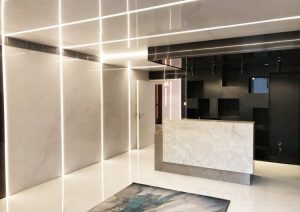
linear light use in commercial lighting 4Aluminum industry solutions are valuable for many different types of lighting and fixtures used in both residential and commercial applications.

Custom aluminum extrusion can provide manufacturers with the profiles that they require while saving them money compared to other methods used to create metal housings.

When you work with a reputable company that has many years of experience working with aluminum extrusion design, it is possible to include options and advantages that will increase value and longevity, such as the ability to prevent corrosion through design.

When designing LED strip lights, it is important to create a professional and finished look. Unhoused lighting solutions just don’t look good when exposed, especially if the location of the install is where it can be easily seen.

Another advantage is that these aluminum industry solutions can help to prevent moisture from getting into the LED strip lighting.

While not 100 percent waterproof, there are some additional things that can be done to make it waterproof, if that is what is required.

The extruded aluminum provides a base that can be further customized to meet the demands of the project to provide the desired results.

led aluminum profile project ideas-lightstec00002Custom aluminum extrusion can be used to protect the LED strip lighting for indoor and outdoor use, shielding it from damaging UV rays, the wind, dust, debris, and other things that can wreck havoc on the lighting equipment itself.

The extrusion housing will also prevent contact damage of the LED strip lighting both indoors and outdoors.

Depending on the shape of the aluminum extrusion design, there will be additional advantages. Some shapes can help to augment the effect of the lighting, increasing the exposure of the light, while other shapes can be used to add special effects and finishing to the lighting, depending on your needs.

How to install an LED aluminium profile:

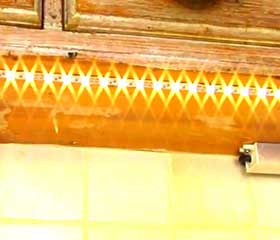
How-to-install-led-strip-light-under-a-kichen-cabinetExtrusions can be fixed in place using countersink screws, straight into the extrusion. Alternatively, you can purchase fixing brackets if you prefer.

These can be attached in place, and once they are in position, your extrusion can be clipped onto them.

  1. Ensure the channel is cut to the length you require and screw the mounting bracketsinto the surface of choice at 1m intervals.
  2. Peel the adhesive backing off the run of LED tape and stick the length of the tapeinto the channel.
  3. Clip the diffuser onto the channel.
  4. Insert the end clips onto each end of the profile, ensuring the 2 core cable is threadthrough the hole in one of the end caps. This cable will attach to the driver or powersource.
  5. Press the profile firmly into the mounting brackets so they click into place.
  6. Check this post how to install led aluminum profile

Where to use LED Extrusions

suspended linear led lighting fixtures 3Our aluminium extrusions can enhance and improve all kinds of LED strip light installations. They are an ideal addition in restaurants, hotels, bars, and clubs.

Can aluminium profiles be cut?

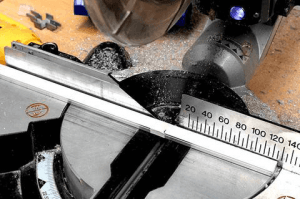
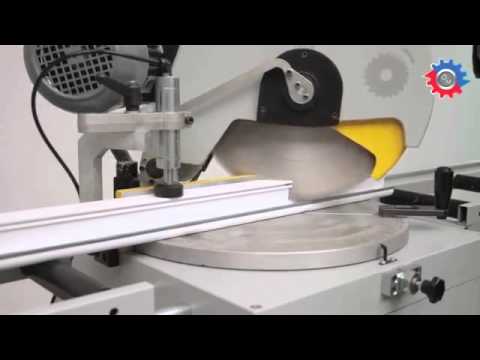
cut profile with cutting machineYes, aluminium profiles can be cut to any required length.


What lengths of aluminum profile do you offer?

We sell profiles in1meter/2meter/3meter lengths as standard.

How To Cut Led Aluminum Profile In Length?


The led aluminum extrusions material is in 2 meter or 3 meter length normally.

In most of the projects,custom-made length is required.

You need to cut the aluminum profile to the correct length with cutting machine or hand saw.

There is a simple guide to teach you how to cut the led profile in the correct length step by step.

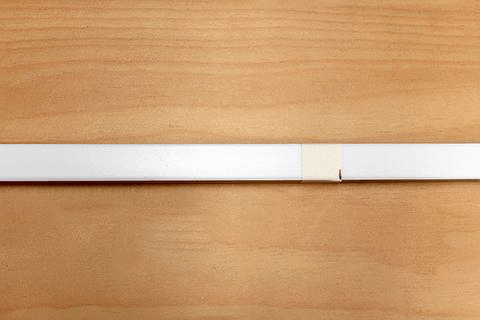
1.Slide the led cover or click the led diffuser into the aluminium profile.

Make sure the end of the cover and aluminum profile is smooth.

In this way you can cut the led diffuser and the led aluminum profile in same length.

Some client cut the led aluminum profile and the led cover separate,

the length of the profile and cover in different length easy happen,sometimes few millimeter.

Then the final product you will see the gap.

We need to avoid this happen.

led-aluminum-profile

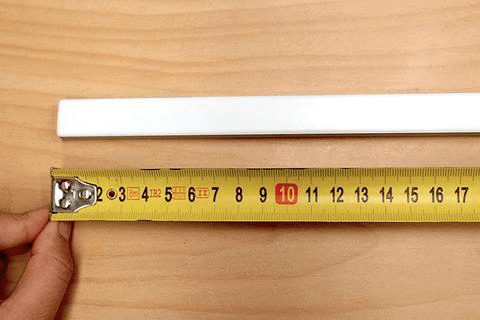
2.Measure the led profile length as request.

Sometimes the end cap will take up some place of the cover.

In that case we need to measure the size of the end cap.

Then the diffuser length is total length minus the end cap length.

measure the led profile length

3.Make a cut mark on the surface of the profile.

Make a cut mark will easy for you to cut the profile.If not maka a mark,sometimes will cut in wrong length.

make a cut mark in the profile

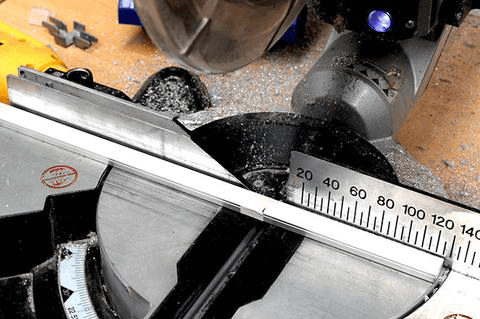
4. Cut the led aluminum profile with hand saw or cutting machine

cut profile with cutting machine

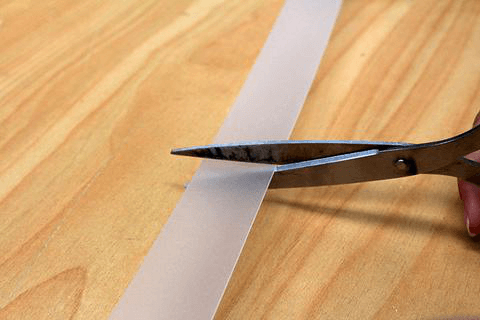
5.Sometimes the thin cover you can cut with scissor

scissor the profile

Following 2 videos show you how to cut the led aluminum profile in length with hand saw and cutting machine easily.

How to cut aluminum profiles with hand saw?

How to cut aluminum profiles with cutting machine?

How to install led strip light at home?

We need to prepare some material first.

Led strip light, led power supply, fast connector, scissors, wires, soldering iron, insulated rubber tape.

This material is easy for no matter you are a DIYer a professional.

Make sure right connect the wires, Wrong connection will problem happen.

Let’s enjoy install led strip light under a cabinet at home.

First,Material prepare

.led strip light
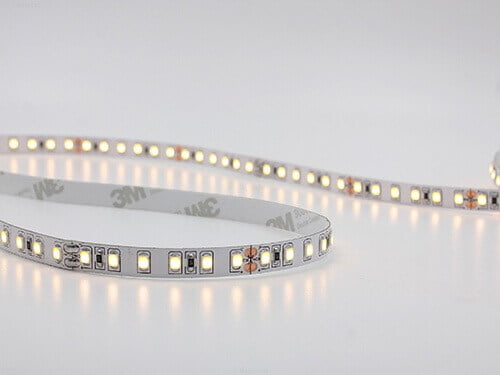
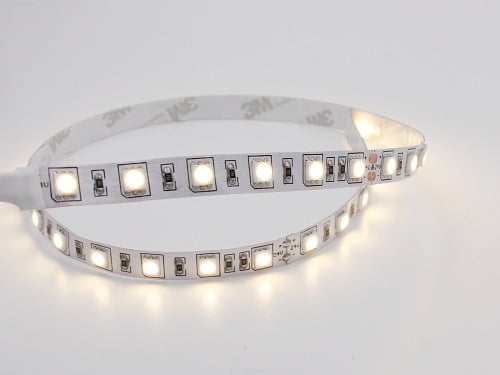
In projects,SMD5050-60LED/M-DC24V AND SMD2835-120LED/M-DC24V is the

most popular led strip light using in cabinet lighting and normally we use warm white and nature white most.

SMD2835 120LEDS STRIP LIGHTS 24V (2)
5050 led strip light

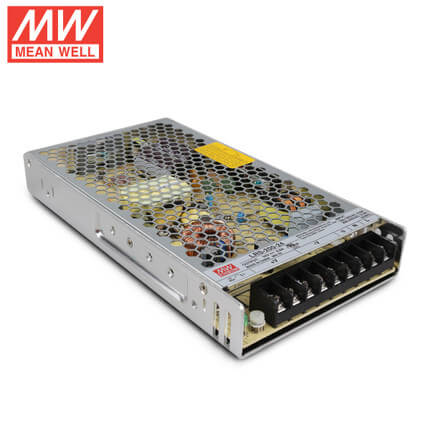
. Led power supply
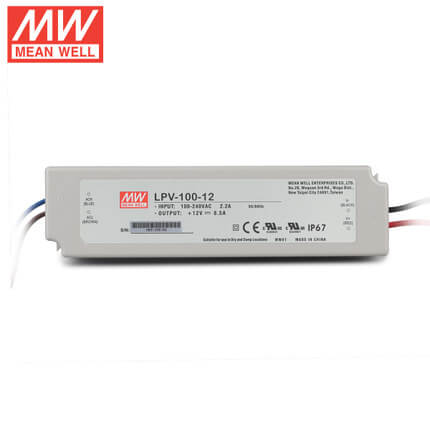
We suggest use meanwell led power supply.

Good quality and long life using.
We need to check the total watts of the led strip light first.
That is easy!
If the place need 20 meter SMD5050-60LED/M-DC24V,Then the total watts is 20meter*14.4w/m=288w.
Normally,we suggest using 80% power of the power supply.

That means the power supply need 288w/80%=360w.

led power supply lpv-100
LRS-150 led power supply

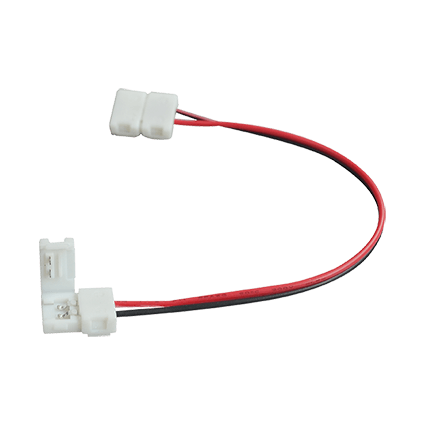
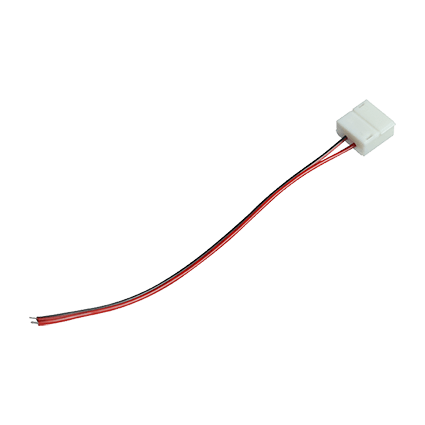
.Cables/Connector
You need to connect the 220V to power supply and from the power supply to led strip light.
Sometimes you cut the led strip light, then you need the fast connector.

Easy for you to connect the strip light to driver.

2 pin strip to strip connector
2 pin single head connector

Second,Installation guide

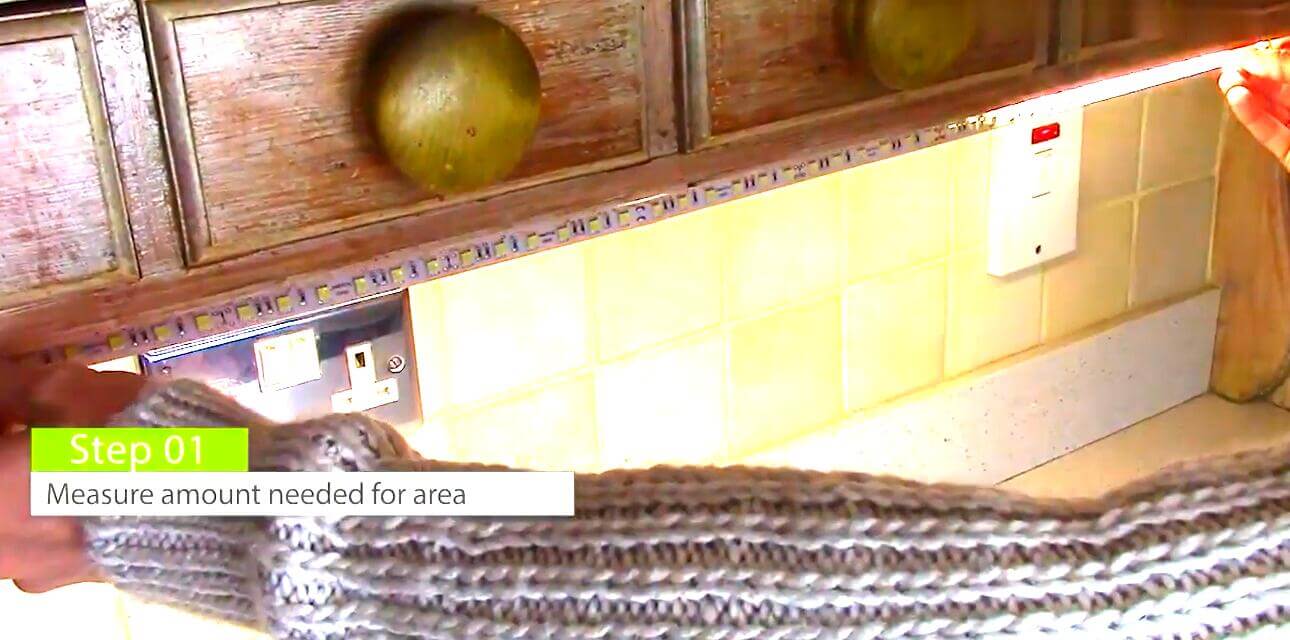
Step 1,Measure the length of the area.

Then we know how long of the led strip light we need.

measure the length of the area

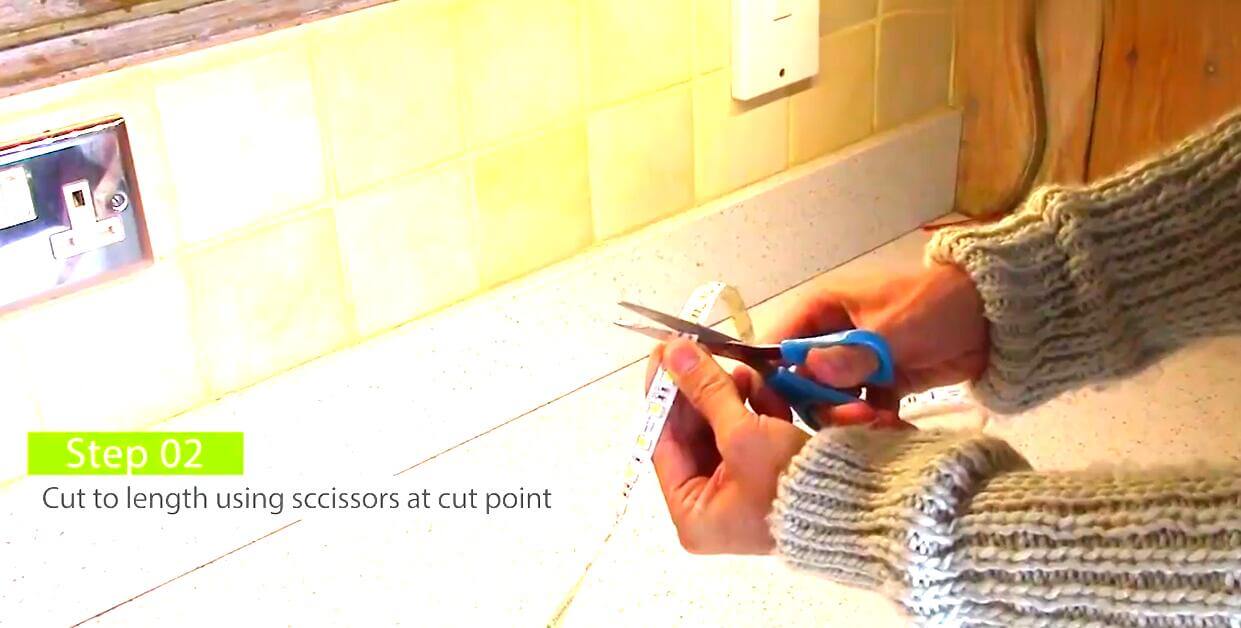
 Step 2,Cut the led strip light.

You need to cut the strip light at the cutting point.

Cut the led strip light

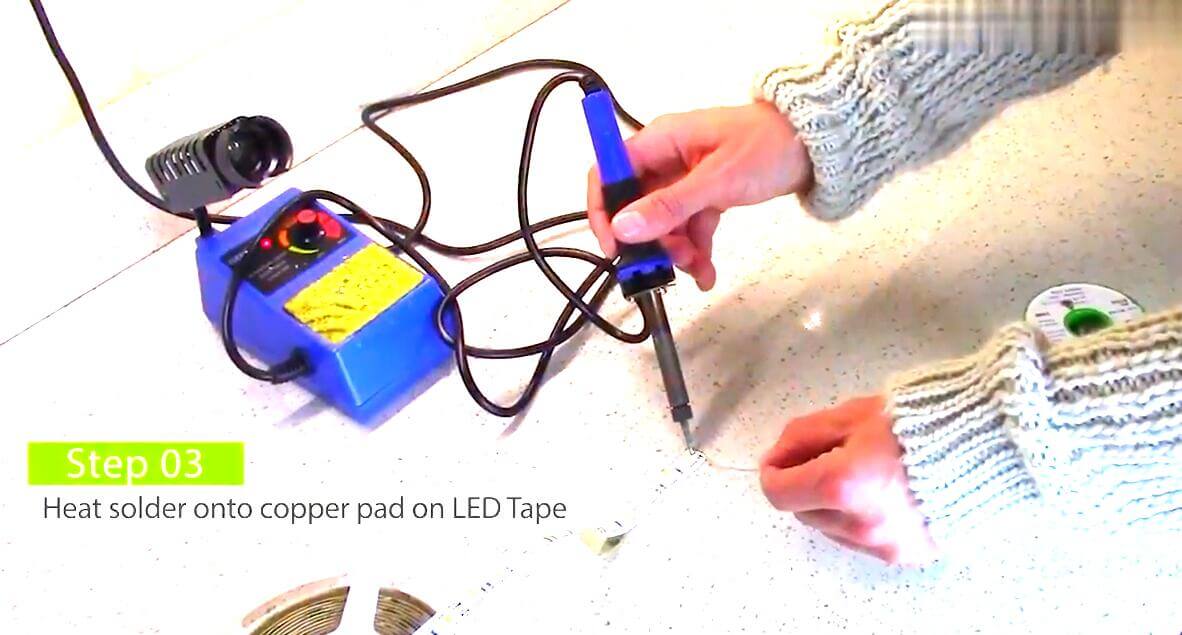
 Step 3,Heat solder onto copper pad on led tape

Heat solder onto copper pad on led tape

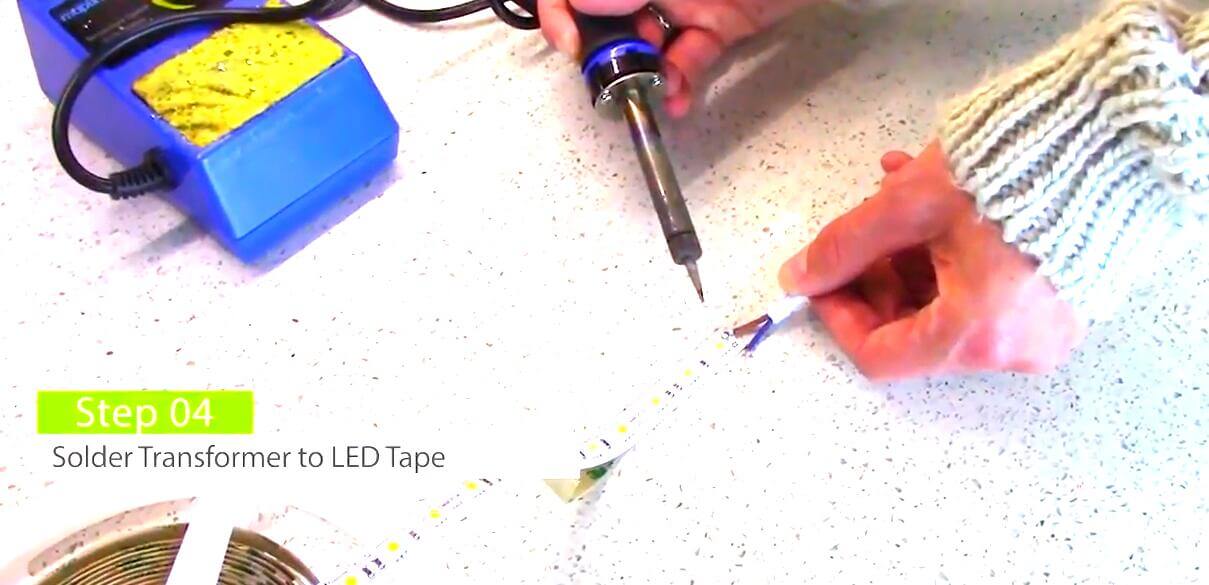
 Step 4,Solder the power supply wire to the led tape.

Make sure you are soldering the right positive pole and negative pole.

+ to positive cable and – to negative cable.

Solder the power supply wire to the led tape

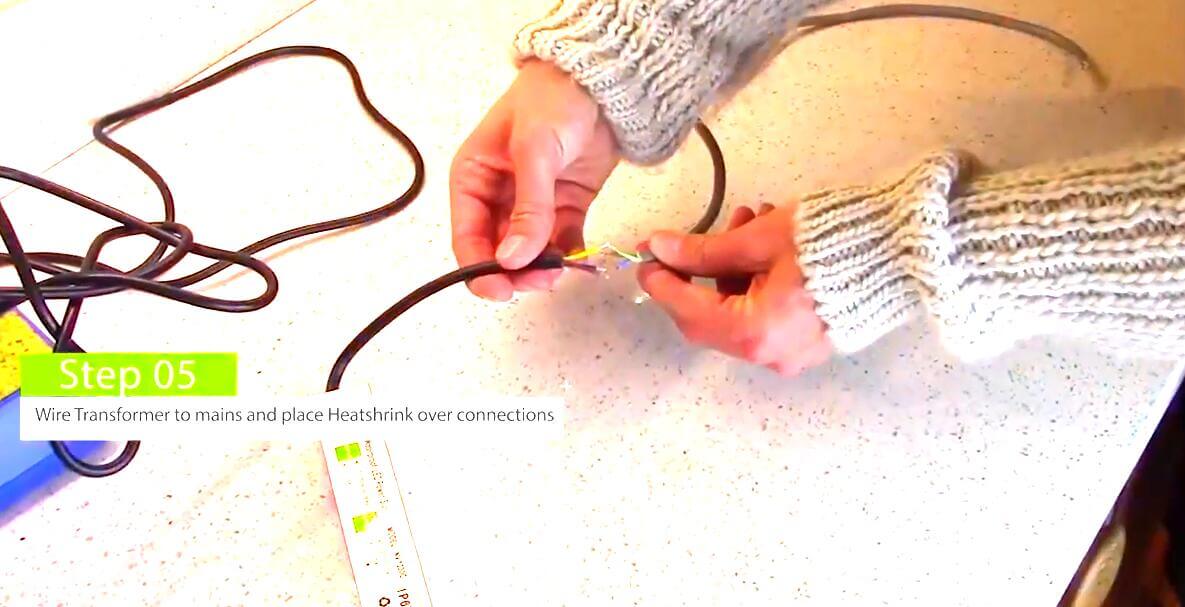
 Step 5,Wire power supply to mains and place heat shrink over connector.

wire power supply to mains and place heat shrink over connector

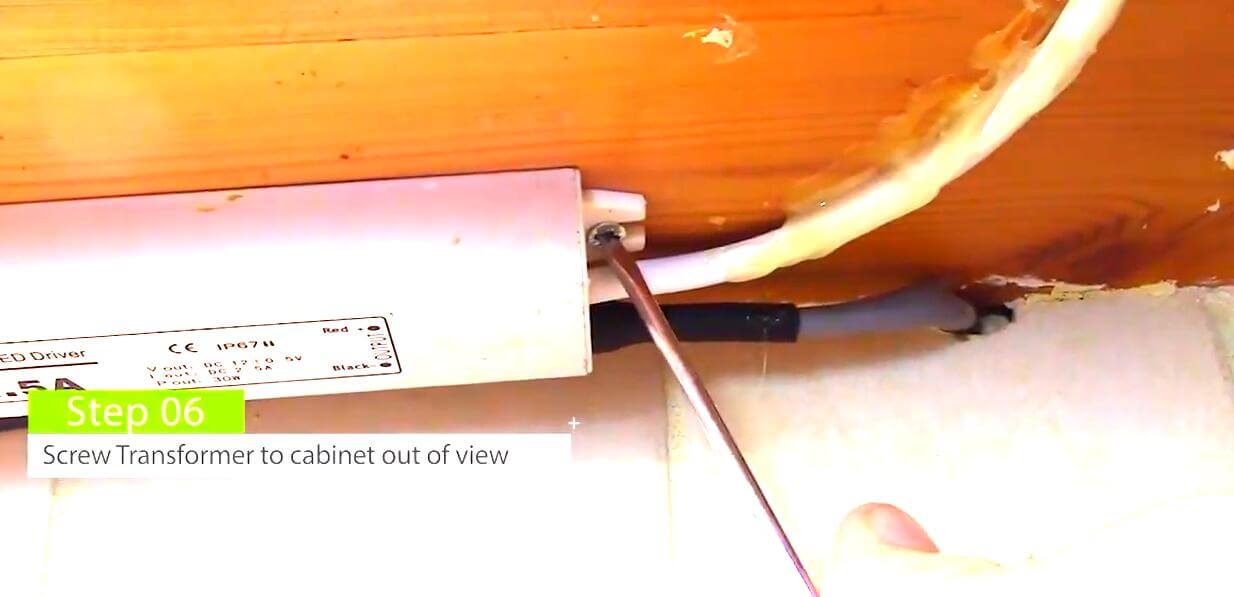
Step 6,Screw power supply to the cabinet.

Screw power supply to the cabinet

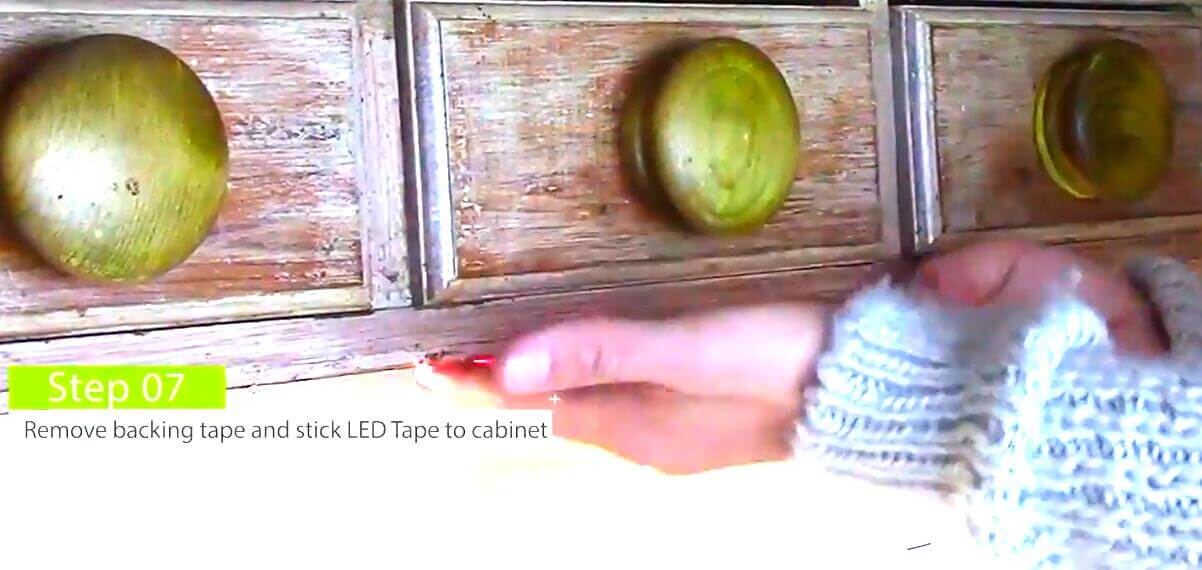
Step 7,Remove backing tape and stick led tape under the cabinet.

Remove backing tape and stick led tape under the cabinet

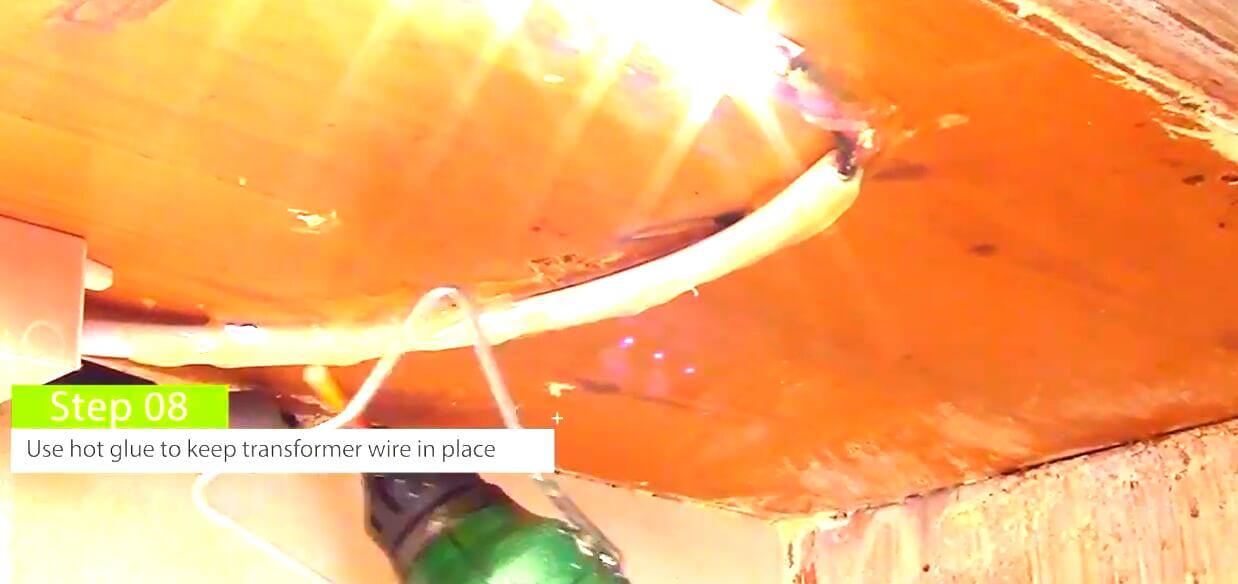
Step 8,Keep the wires in place

Keep the wires in place

How do I mount LED strip to aluminium profile?


SURFACE MOUNT LED PROFILE


As all our LED tapes feature an adhesive backing as standard installing LED strip into a profile is easier than ever.

Simply remove the protective paper on the back of the tape and firmly press it into the channel.

Conclusion

Led aluminum profile is a simple design and it become more and more popular in lighting design area.We need to know more about profile design,

application,manufacture.Then we can win more business in the market.

electric fuse

electric fuse

We are pleased to have you visit our pages on social networking sites,

where we publish exclusive offers on our website.

Our Facebook page here .

Our Twitter account is here .
Posted on Leave a comment

كيفية اختيار الأضواء الكاشفة LED 2022

كيفية اختيار الأضواء الكاشفة LED

كيفية اختيار الأضواء الكاشفة LED الخارجية المناسبة كيفية اختيار الأضواء الكاشفة LED
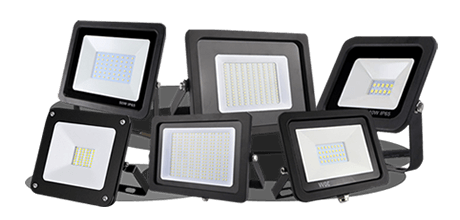
الأضواء الكاشفة ، والتي تُعرف أيضًا باسم مصابيح الأمان ،

يتم وضعها بشكل استراتيجي لتوفير إضاءة عالية الجودة لمناطق مثل إضاءة لافتات الطرق السريعة

، وإضاءة اللوحات الإعلانية ، وواجهات المباني ، وغيرها من التطبيقات المماثلة.

قد يكون استهداف ضوء الفيضانات المناسب لتطبيقات مختلفة أمرًا صعبًا نظرًا لعدد الخيارات المتاحة لمصابيح الإضاءة هذه.

فيما يلي بعض الميزات التي يجب مراعاتها عند تحديد الأضواء الكاشفة LED الخارجية المناسبة لك.

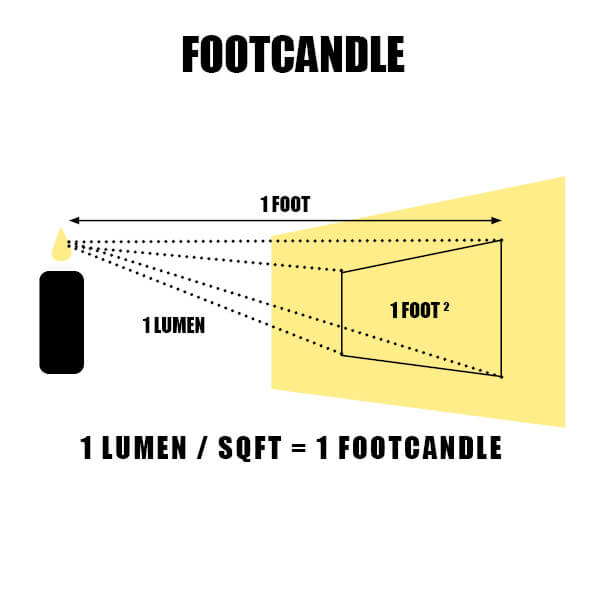
لومينز

مع المصابيح الجديدة ، يعد التسوق باستخدام اللومن أكثر أهمية من التسوق بالواط عند اختيار المصباح الموفر للطاقة للشراء.

بينما تقيس القوة الكهربائية مقدار الطاقة المطلوبة للمنتجات الخفيفة ، تقيس اللومن كمية الضوء المنتجة.

هذا يعني أنه كلما زاد عدد لومن المنتج ، كان مصدر الضوء أكثر سطوعًا.

بدلاً من شراء المنتجات بناءً على مقدار الطاقة التي يستهلكونها (واط) ،

يجب على المستهلكين التفكير في مقدار الضوء الذي يعطوننا إياه (لومن).


ما هي لومينز؟

فكر في اللومن باعتباره طريقة “جديدة” لمعرفة مدى سطوع المصباح.

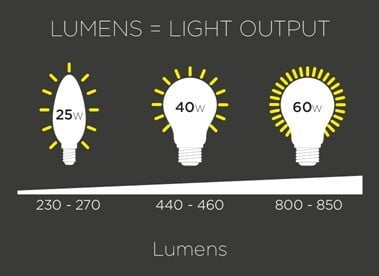
لومن = انبعاث الضوء.

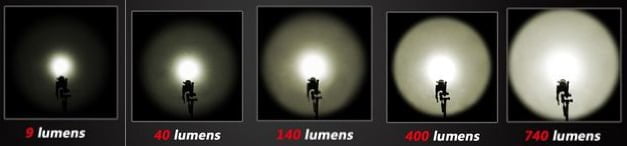
بعبارات بسيطة ، Lumens (يُشار إليها بـ lm) هي مقياس للكمية الإجمالية للضوء المرئي (للعين البشرية) من المصباح أو مصدر الضوء.

كلما ارتفع تصنيف اللومن ، سيظهر المصباح “أكثر سطوعًا”.

لقد اشترينا جميعًا مصابيح أو مصابيح كاشفة تقليدية 50 وات أو 60 وات في الماضي ونتوقع مستوى معينًا من السطوع.
هذا مرتبط بشكل غير صحيح بين استهلاك الطاقة (واط) لإخراج الضوء.

ضوء أكثر وطاقة أقل (وات) مع LED

مع مصابيح LED منخفضة الطاقة ، يمكن تحقيق المزيد من خرج الضوء باستهلاك أقل للطاقة.

على سبيل المثال ، سوف يعطي مصباح 6.5W LED

ناتج إضاءة مشابهًا لمصباح هالوجين 50 وات.

هذه طاقة أقل بنسبة 87٪ لنفس ناتج الضوء!

عند استخدام LED ، يتم تحويل المزيد من الطاقة إلى ضوء بدلاً من حرارة.

مع تحسن التكنولوجيا ، سيتم إنتاج المزيد من وحدات اللومن باستخدام أقل من واط – أي مزيد من اللومن لكل وات.

نتيجة لذلك ، لم يعد استخدام واتس كدليل للسطوع مناسبًا.

لومن  LED

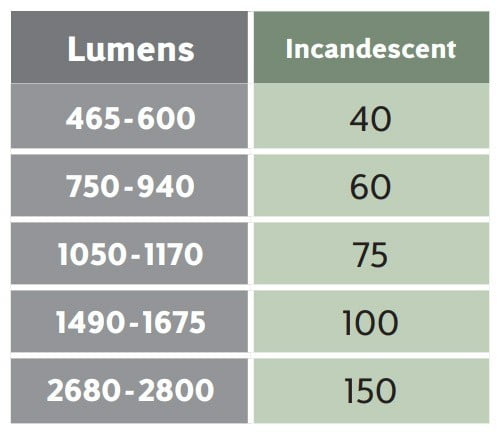
لتحقيق نفس ناتج الضوء لمصباح تقليدي 60 وات ، ستحتاج إلى مصباح LED بحوالي 800-850 لومن.

جميع مصابيح LED المتكاملة لها تصنيف لومن محدد بوضوح على العبوة وعلى قاعدة المصباح.

نقدم أيضًا دليل تحويل إلى “الواط القديمة” على العبوة ، على سبيل المثال 11.5 واط LED = 60 واط تقليدي.


يوجد أدناه دليل تقريبي لمساعدتك في تحديد معدل اللومن للمصباح البديل LED الخاص بك.


لومينز لكل وات (lm / W)

هذا الرقم هو وسيلة مفيدة لقياس فعالية منتجات الإضاءة من خلال قياس الناتج الإجمالي للضوء في لومن مقسومًا على استخدام الطاقة بالواط.

يمكنك التفكير

في هذا على أنه مشابه للأميال لكل جالون في السيارة

، حيث أن ارتفاع lm / W يعني كفاءة أعلى وتكاليف تشغيل أقل مقارنة بالطرازات المماثلة ولكن

الأقل كفاءة.

على سبيل المثال ، توفر لوحة LED عالية الأداء المدمجة عالية الكفاءة + الإضاءة الخلفية خرج ضوء يبلغ 3500 لومن مقابل 23 وات من الطاقة.

3500lm / 23 واط = 152lm / واط

في المقابل ، قد توفر لوحة LED مضاءة بالحافة ولكنها أقل كفاءة 3600 لومن مقابل 45 وات.

3600lm / 45W = 80lm / W

بعبارات بسيطة ، تعتبر اللوحة 152lm / W أرخص بنسبة 51٪ في التشغيل من اللوحة 80lm / W.

نوصي بجعل lm / W أحد الأشياء الأولى التي تنظر إليها عند اختيار لوحات LED.

لومن و لومينز مفيدة

بالنسبة للمصابيح غير الاتجاهية مثل الكرة الأرضية أو كرة الجولف أو شكل الشمعة ، يتم حساب ناتج اللومن الإجمالي لجميع الاتجاهات.

مع لمبة اتجاهية مثل مصباح كشاف GU10

، ينبعث الضوء في اتجاهات عديدة ، قد لا يكون بعض هذا الضوء (الضوء المنسكب)

مفيدًا ولكن يتم احتسابه في إجمالي معدل اللومن.

ولجعل المقارنات أكثر عدلاً وأسهلًا ، أدخل الاتحاد الأوروبي مؤخرًا تصنيف “لومن مفيد”.

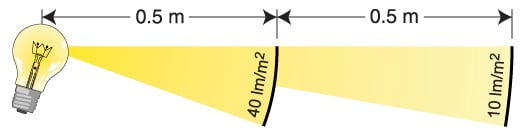
هذا قياس للضوء المفيد المنبعث في مخروط موحد 90 درجة (انظر الصورة).

عادةً ما يكون تصنيف “اللومن المفيد” أقل من إجمالي خرج اللومن ،

ولكنه أكثر ارتباطًا بمصباح الكشاف حيث يكون الضوء المفيد في اتجاه التركيز الأمامي.


Old Watts Approx Lumens
25 W 230 – 270 Lamp
35 W 250 – 280 Spotlight

200 – 300 Useful Lumens

390 – 410 Lamp

40 W 440 – 460 Lamp
50 W 330 – 400 Spotlight

350 – 450 Useful Lumens

60 W 800 – 850 Lamp
75 W 1000 – 1100 Lamp
100 W 1500 -1600 Lamp

كم عدد لومن أحتاجه؟


لا توجد إجابة قاطعة – ستعتمد على عدد من العوامل بما في ذلك ؛ حجم الغرفة وشكلها ،

ارتفاع الأسقف ، نظام الألوان ، نوع المصابيح والتركيب ، مناطق المهام واحتياجات المستخدم.

كدليل أساسي ؛ فيما يلي اللومن المطلوب لكل متر مربع (10.76 قدم مربع) لإعدادات الغرفة المختلفة.

في كثير من الحالات ، ستكون هناك حاجة إلى مزيج من الإضاءة العامة وإضاءة المهام.


المنطقه Lumens/Sq M
مطبخ 300-400
المطبخ (مهمة) 700-800
غرفة المعيشة 400-500
الرواق 300
غرفة نوم 300-400
غرفة نوم (مهمة) 700-800
حمام 500-600
الحمام (مهمة) 700-800
منطقة القراءة 400

القوة الكهربائية


القوة الكهربائية هي مقياس استهلاك الطاقة في المصباح – وليس مقدار الضوء الذي تطفئه.

تستخدم المصابيح الموفرة للطاقة عددًا أقل من الواط لإعطاء نفس القدر من السطوع (لومن).

لهذا السبب ، لا تساعد مصابيح LED (التي عادةً ما تكون منخفضة القوة الكهربائية عند مقارنتها باللومن)

في تقليل استخدام الطاقة فحسب ، بل تساعد أيضًا في خفض فواتير الكهرباء.

حدد الواط في مصدر الطاقة.

ستحتاج إلى معرفة الأمبيرات والفولتات في مصدر الطاقة.

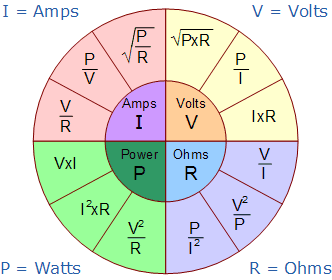
لتحديد القوة الكهربائية ، استخدم صيغة ضرب بسيطة.

الأمبير (أو الأمبير) هو كمية الكهرباء المستخدمة.

يقيس الجهد الكهربائي قوة أو ضغط الكهرباء.
عدد الواط يساوي أمبير مضروبًا في فولت.

هذا هو! بمعنى آخر ، واط = أمبير × فولت.

في بعض الأحيان سترى هذه الصيغة مكتوبة كـ W = A X V.
على سبيل المثال ، إذا كان التيار 3 أمبير (3 أمبير) والجهد 110 فولت ، فإنك تضرب 3 في 110 للحصول على 330 واط (واط).

المعادلة هي P = 3A X 110V = 330 W (حيث P تعني القوة).
هذا هو السبب في أن الواط تسمى أحيانًا فولت أمبير.

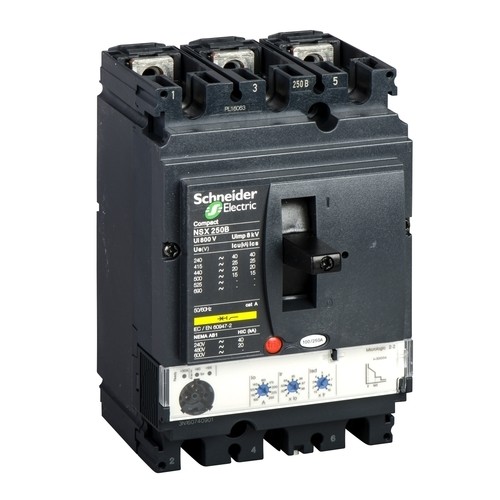
قواطع الدائرة الكهربائية عادة ما تكون مكتوبة على مقابضها الأمبيرات.

هذا هو الحد الأقصى للتيار الذي يمكن أن تستغرقه الدائرة قبل أن ينطلق قاطع الدائرة.

يمكنك أيضًا تحديد كل من الفولتات والأمبير من خلال النظر إلى الملصقات أو في أدلة التشغيل.

يمكنك البحث عن أرقام مشتركة للأجهزة القياسية

(تتطلب معظم الأجهزة الصغيرة وتركيبات الإضاءة في المنازل دوائر تتراوح من 15 إلى 20 أمبير والأكبر من 20 إلى 60.
ومع ذلك ، تم تصنيف معظم الأجهزة المنزلية التي توضع على المنضدة على 120 فولت ويتم تشغيلها باستخدام 12 أمبير أو أقل.

تتطلب الأجهزة الأكبر مثل النطاقات ومجففات الملابس مزيدًا من الطاقة ومتصلة بدوائر

موصلة بأسلاك بقوة 240 فولت ويمكن سحب 20 إلى 40 أمبير اعتمادًا على عدد من العوامل.

عادةً ما تكون الأسلاك المنزلية 120 أو 240 فولت في شمال امريكا.

درجة حرارة اللون


تشير درجة حرارة اللون إلى المظهر اللوني للضوء الذي يأتي من مصدر الضوء.

إنها سمة أداء مهمة للتقييم عند تقييم المصابيح لأن درجة حرارة اللون تخلق الحالة

المزاجية للمساحة التي تضيئها وبالتالي يمكن أن تؤثر على سلوك الشراء أو أداء العمل.

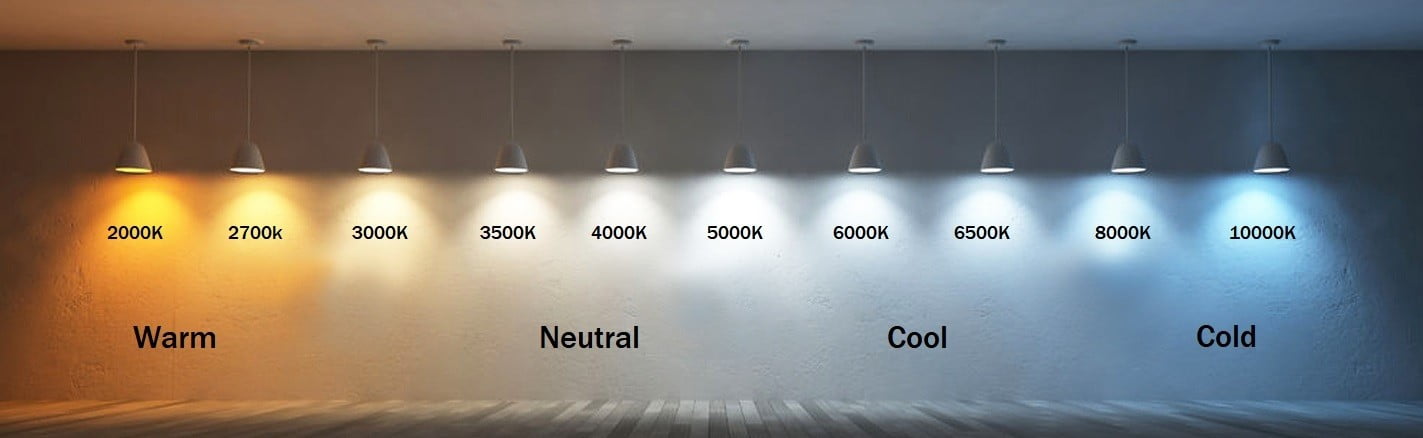
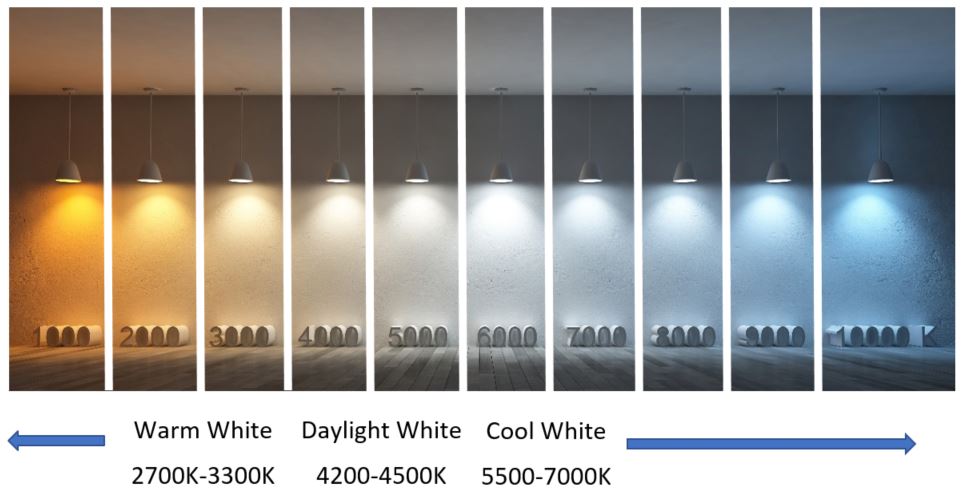
يُقاس اللون الظاهر لمصدر الضوء بوحدة كلفن. كلما ارتفعت درجة حرارة كلفن ، زاد بياضًا الضوء.


ما هي درجة حرارة اللون؟


درجة حرارة اللون هي طريقة لوصف مظهر الضوء الذي يوفره المصباح الكهربائي.

يقاس بدرجات كلفن (K) بمقياس من 1000 إلى 10000.
عادةً ما تقع درجات حرارة كلفن لتطبيقات الإضاءة التجارية والسكنية في مكان ما على مقياس من 2000 كلفن إلى 6500 كلفن.
تتيح لنا درجة حرارة لون المصباح الكهربائي معرفة شكل ومظهر الضوء الناتج.
يتم تعيين درجة حرارة لون المصباح باستخدام أساس درجة حرارة اللون المترابطة (CCT).
على سبيل المثال ، إذا قمت بتسخين جسم معدني ، فإن الجسم يبدو متوهجًا.

اعتمادًا على درجة حرارة كلفن التي يتم تسخين الجسم المعدني عليها

، سيكون التوهج بألوان مختلفة ، مثل البرتقالي أو الأصفر أو الأزرق.

تهدف درجة حرارة لون المصابيح الكهربائية إلى محاكاة درجة حرارة كلفن للجسم المعدني.

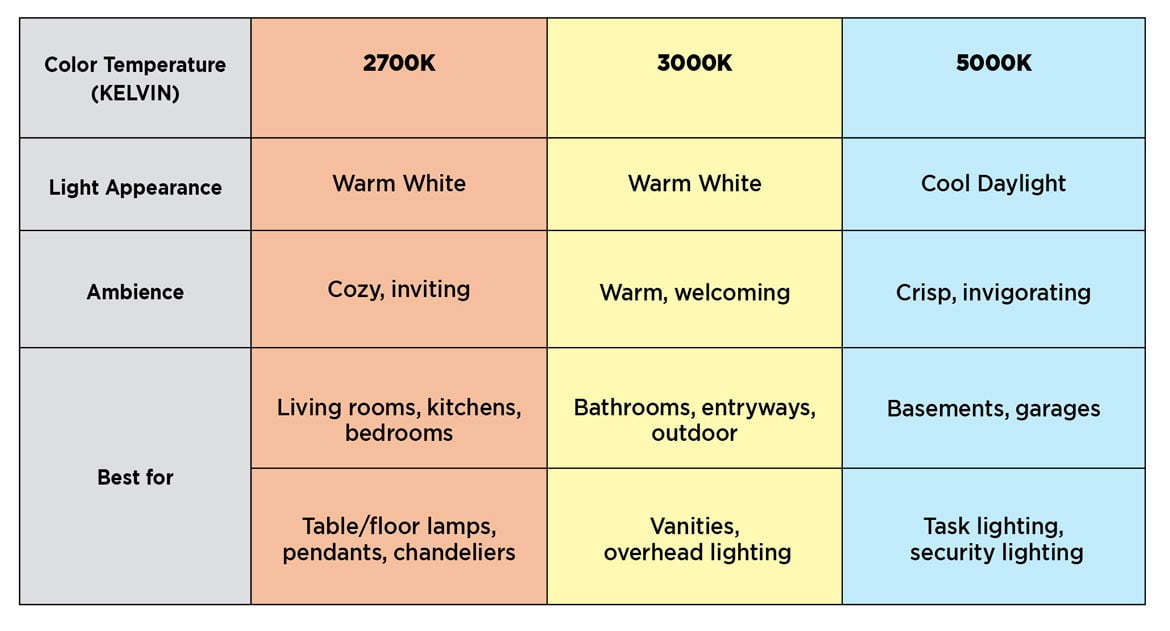
ما هي درجة حرارة اللون المناسبة لي؟

يسهل فهم درجة حرارة كلفن (K) اختيار الإضاءة التي تمنحك الشكل والمظهر الذي تريده.

في الطرف السفلي من المقياس ، من 2000 كلفن إلى 3000 كلفن ،

يُطلق على الضوء الناتج اسم “الأبيض الدافئ” ويتراوح من اللون البرتقالي إلى الأصفر والأبيض في المظهر.
يشار إلى درجات حرارة اللون التي تتراوح بين 3100 كلفن و 4500 كلفن على أنها “أبيض بارد” أو “أبيض ناصع”.

ستصدر المصابيح الكهربائية ضمن هذا النطاق ضوءًا أبيض أكثر حيادية وقد يكون لونها أزرق قليلاً.
فوق 4500 كلفن يدخلنا في درجة حرارة اللون “ضوء النهار” للضوء.

المصابيح ذات درجات حرارة اللون 4500 كلفن وما فوق ستعطي ضوءًا أزرق-أبيض يحاكي ضوء النهار.

مدرج في قائمة DLC

عندما تكون إحدى التركيبات مدرجة في قائمة DLC (تعني Design Light Consortium) ،

فقد تكون مؤهلة للحصول على خصومات على الطاقة من خلال المرافق المحلية الخاصة بك والتي يمكن أن تقلل بشكل كبير من تكلفة الملكية.

قائمة المنتجات المؤهلة هي مورد لمسؤولي البرامج ،

لمساعدتهم على تحديد منتجات الإضاءة ذات الحالة الصلبة التي يجب تضمينها في عروضهم الترويجية لكفاءة الطاقة.


كيفية توصيل القواطع الكهربائية المنزلية

كيفية توصيل القواطع الكهربائية المنزلية

يسعدنا زيارتكم صفحاتنا على مواقع التواصل الاجتماعي حيث نقوم بنشر عروض حصرية على موقعنا الالكتروني.

صفحتنا علي الفيسبوك هنا.

حسابنا على تويتر هنا.

Posted on Leave a comment

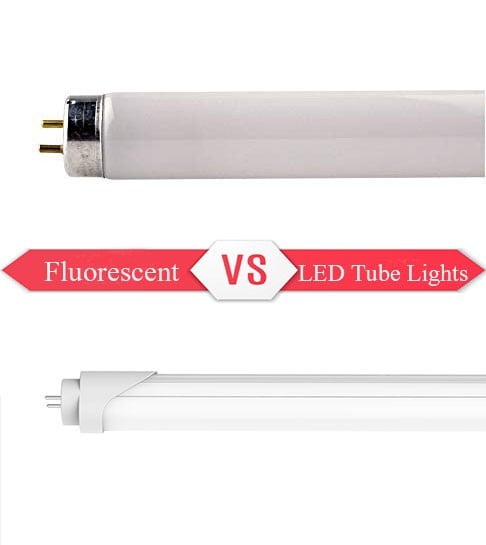
LED vs Fluorescent Tubes

LED vs Fluorescent Tubes

LED vs Fluorescent TubesFluorescent lighting has been around for over 100 years.
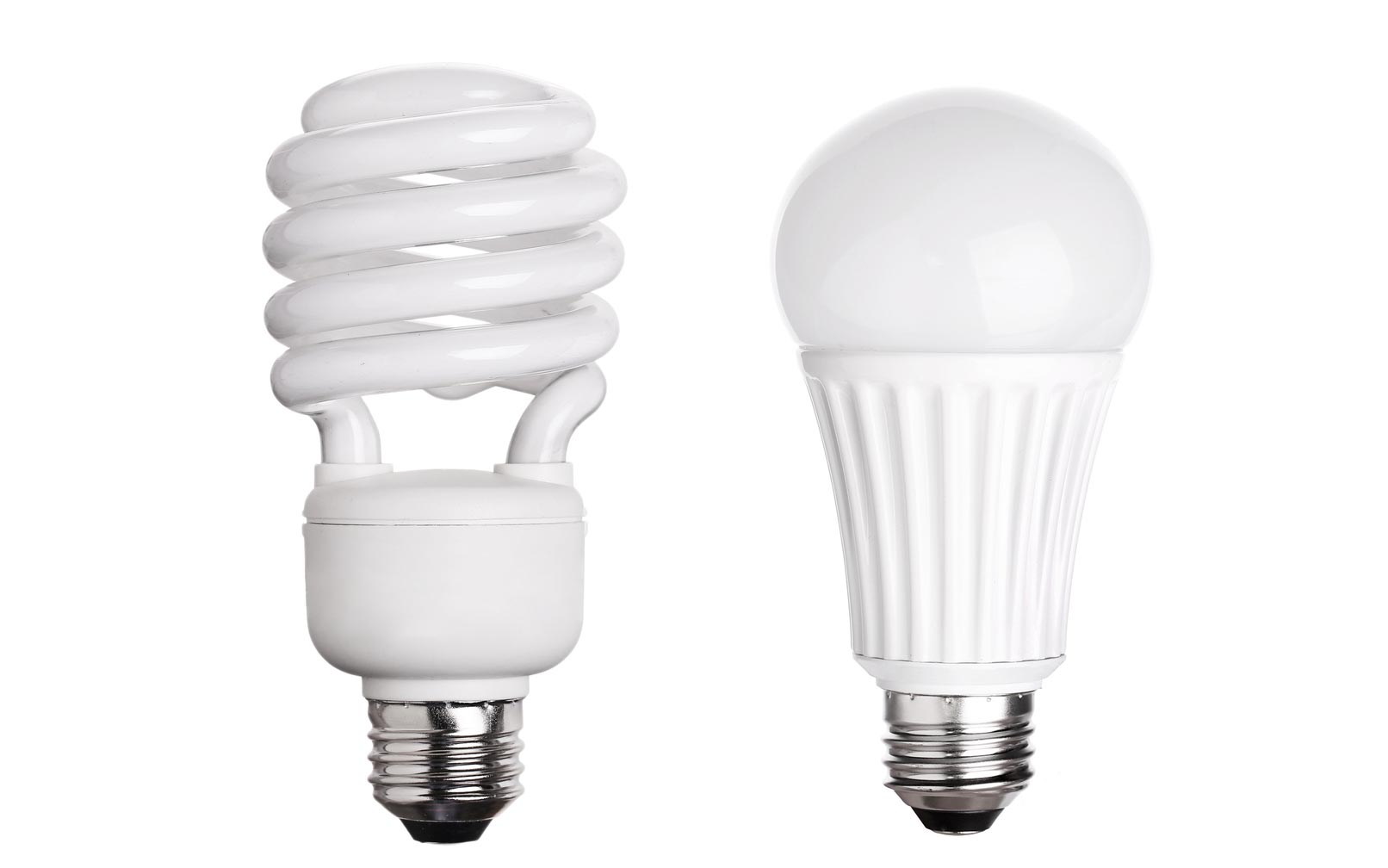
When compared to incandescent lighting, florescent lights have long been touted as energy-efficient

, longer-lasting, and a great way to illuminate large spaces.

However, as the Light-Emitting Diode (LED) continues to evolve,

many experts and business owners have found sound reasoning in switching to this modern lighting.

Below, our experts here at Action Services Group help explain why it may

be time for you to invest in LED technology in our latest blog LED vs. Fluorescent Tubes.


What Is A Linear or Tube Fluorescent Light?

Fluorescent lights are part of the High-Intensity Discharge (HID) family.
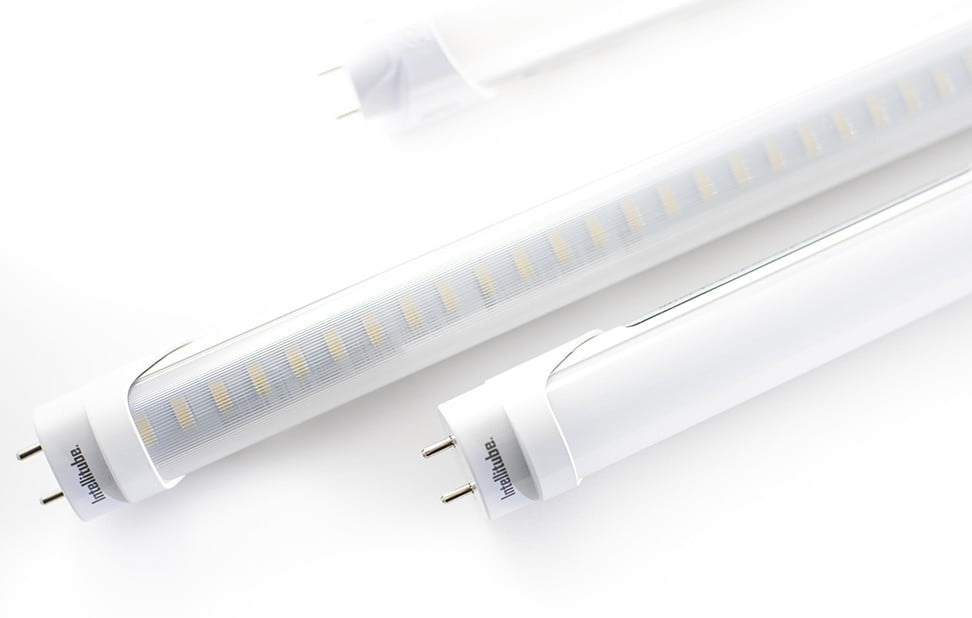
As such, they produce light through the use of a type of gas-discharge.

Fluorescent lights typically consist of a glass outer tube that encases a thinner arc

tube that is internally treated with a fluorescent coating. Within this arc tube, an inert mercury gas is contained.

When an electrical charge is supplied to the arc tube, it excites the mercury gas and releases ultraviolet (UV) radiation.

When the UV radiation interacts with the fluorescent coating, it creates light.

Standard linear fluorescent lights are typically available in tubes that measure 48- to 84 inches in length.


CFL: A Compact Variant


While modern technology has created subsets of fluorescent lighting,

it is not uncommon for users to mistake CFLs for linear fluorescent lights.

CFL, which stands for Compact Fluorescent Light, are smaller versions of the standard fluorescent lighting we are talking about.

While CFLs are available in linear shapes, they are more commonly coiled in appearance. 

LED vs. Fluorescent Tubes Cost Savings

When it comes to retrofitting an older system or installing a new one, cost savings is often one of the biggest factors.

When talking about lighting installations, the overall cost impacts

need to take into account the overall energy consumption costs as well as those related to maintenance.

Let’s take a closer look at how LED vs. fluorescent tubes stack up when it comes to cost savings.

Energy Savings

We have noted that florescent lights are considered more efficient than incandescent bulbs.

However, nothing beats the energy savings when it comes to an LED. Fluorescent lights are omnidirectional.

This means they emit light a full 360 degrees around the bulb itself.

LED lights are one-directional, meaning they emit light in a focused 110-degree area.

But what does this mean to you? Fluorescent lights will rely on the use of a reflecting plate.

This causes an immediate reduction in lighting quality by 15%.

In addition to this, a fluorescent bulb relies on heat to produce the UV radiation from mercury gases.

When light is emitted in an omnidirectional manner, it means that heat escapes from all sides as well.

This results in more power being needed to maintain the same level of lighting.

LEDs, on the other hand, do not require any heat to produce light and emit very little of it while in use.

(Want an additional cost savings? By reducing the heat emitted by your lighting sources,

you can also expect to decrease your air-conditioning use!) Additionally, fluorescent lights need time to warm up.

While today’s technology has led to the development of florescent bulbs that warm up rapidly,

they still suffer from a delay in reaching maximum illumination.

LEDs reach full illumination immediately,

meaning energy is not wasted on bringing the lamp up to the required temperature

to produce mercury gas-based UV radiation.

Because lighting accounts for almost 40% of your entire power bill,

every second you can cut down on powering light fixtures means money you save.

Based on the direction, loss of heat, and reflection reductions –

LED lights provide almost 70% more light when supplied with the same amount of energy as a fluorescent tube.

Maintenance Savings

When it comes to linear LED vs linear fluorescent lamp maintenance, LEDs again take the lead.

Fluorescent tubes typically last between 3 and 5 years.

However, because the internal ballast is rather fragile,

should that component be damaged in any way, the lamp will no longer work. Should the ballast not be damaged,

a fluorescent tube shows signs of light degradation as it nears the end of its lifespan.

As the tube begins to die, the ends will blacken and the light will flicker,

which can cause health issues for those exposed to it.

(Headaches, migraines, eye issues, and epileptic seizures are just some of the potential concerns.)

LEDs, however, last between 50,000 and 100,000 hours.

Made of more robust materials and a simple solid-state diode assembly,

LEDs are extremely durable and can withstand much more abuse and vibration than fluorescent lamps can.

In fact, some linear LED manufacturers are so confident in their durability,

they even offer a 10-year warranty on their lamps.


At the end of the day, whether you damage the ballast of a fluorescent tube or not,

you will need to replace it 3.5 times more often than you will need to replace an LED.


LED vs. Fluorescent Tubes Quality of Light

When it comes to the expected quality of LED vs fluorescent tubes, experts again recommend LEDs for all our lighting needs.

Why?

Performance

We have already discussed how robust an LED light is when compared to a fluorescent lamp.

However, the spectrum of light that is available from LEDs far exceeds what is available through its fluorescent counterpart.

Because of its inherent design, the entire color wheel is represented through the diodes used in an LED.

This allows it to produce all shades of color, including even the slightest variations between bright white and natural light.

Fluorescent lighting, however, utilizes the blue, green and red color wheel.

This gives the lighting an extremely artificial feel and has been known

to increase the likelihood of headaches and eye problems. Furthermore,

it can skew the colors of objects under them.

Depending on what your business does, this can be an issue.

Lumens

Fluorescent lights produce between 50 and 100 lumens per watt.

By comparison, LEDs can produce roughly 130 lumens per watt.

For example, a T5HO Commercial LED tube light uses only 25 watts to produce an output of 3334 lumens.

In other words, LEDs require fewer watts to produce a brighter light.

كيفية توصيل القواطع الكهربائية المنزلية

lightning
We are pleased to have you visit our pages on social networking sites, where we publish exclusive offers on our website.

 Facebook page here.

Twitter account is here.