Posted on Leave a comment

Corrosion in Metals – Principles and Prevention

Corrosion in Metals – Principles and Prevention
electric resistance

Corrosion is the tendency of metals to return to their natural condition, abandoning their current one, that is: the destruction or deterioration of a material because of chemical and/or electrochemical reactions.

A chemical reaction or dry environment reaction can occur by the contact with vapors or gases, without the presence of liquids. With frequency, the dry environment reaction is closely associated with high temperatures.

A electrochemical reaction or humid environment reaction, is present in liquid atmospheres, by sprayed or immersed means.

Corrosion processes tend to return materials back to a more thermodynamically stable state by their combination with substances in the environment, particularly with oxygen. It is from such a state that the materials were transformed through the metallurgic process of extraction and refinement, by the means of the supply of electric, chemical or heat work.

The most widely used metals for technology have a great affinity for oxygen and their corrosion process depends exclusively on the phenomenon denominated “oxidation”. Some metals are more prone to oxidation than others.

For example: metals like gold or platinum hardly oxidize because of their low affinity with oxygen. They are known as noble metals. Other metals as iron oxidize easily due to their high affinity with oxygen.

Classification

The electrochemical nature of corrosion leads to diverse forms of assault. These are determined by the succession of a series of environmental, mechanical and geometrical factors. The identification of the form of corrosion is of vital importance for the diagnosis of the cause that determines the corrosive process, as well as the prevention, control, and protection of the element.

According to this, the corrosion classification goes as follows:

– Generalized corrosion

– Localized corrosion

– Selective corrosion

Generalized corrosion affects the whole surface of the metal and translates into a more or less rapid slimming of the metallic wall in contact with the electrolyte. Depending on the uniformity of the superficial attack, it can be differentiated into generalized uniform and generalized not uniform corrosions.

Localized corrosion affects a limited part of the metallic surface and causes cavity formation. These cavities, depending on their external diameter vs. depth relation, are named ulcers, craters, pittings, or criccas. The pitting or punctures, can sometimes be penetrating. The cricca or fissure can be intergranular or transgranular, depending if it follows the edge of the grain or through it.

Selective corrosion produces the preferential dissolution of a certain part of the metal that, for chemical or metallographic reasons, proves to be more easily attackable.

We can speak of cristalographic, intergranular or interdendritic corrosion, if the corroded material results in certain crystalline species in the grain borders or the immediately adjacent zone.

Another form of selective corrosion, the dealloying, happens when the preferential dissolution of one of two components of an alloy is verified, leaving an inconsistent and frothy residue of the other metal in the alloy.

Methods of control and prevention:

The general methods for corrosion control more widely accepted on the industry are: the use of special construction materials resistant to corrosion, the application of inert barriers as paint, the use of methods of cathodic or anodic protection, the adjustments on the electrolyte or corrosive medium’s chemistry, the application of specific inhibitors to control corrosion, and the application of anticorrosive systems.

An anticorrosive system is made up of two components which form a set. This set works as a barrier that controls oxidation and prevents the attack of external factors.

The components of an anticorrosive system are:

– Firstly, the base or primer, whose function is to provide the system with the sufficient adherence to the substrate and to act as a cathodic corrosion inhibitor (because of its high proportion of zinc).

– The finishing, which consists of a film or layer that complements the system and provides a high resistance to the attack of the environment.

Posted on Leave a comment

Motorcycle Riding Tips: Cold And Snow Rides

Motorcycle Riding Tips: Cold And Snow Rides
electric resistance

Your basic goal is to keep yourself warm and avoid hypothermia. Hypothermia is a condition when the temperature of your body just drops. The initial symptoms include shivering. Your hands and feet are cold. It is because the body works to protect your more important organs like the brain and torso, using the body’s less vital parts ( like hands and feet’s warmth) to heat them.

If your body is thoroughly chilled, it can not function normally. Your ability to skillfully handle the control of your motorcycle deteriorates. As cold takes over your body, you can not think clearly and you get clumsy. This will only expose you more to danger if you head out on the road.

So at the first signs of shivering, just stepping inside from the cold and drinking something warm, are all it takes to recover. If you do not have the opportunity to get inside from the cold, just park by the roadside and do some calisthenics. Don’t entertain the idea of drinking alcohol, you may get warm initially but after awhile you will be colder than before.

If your priority is to make sure your head and torso are protected from cold and wind, your extremities are likely to stay warm with fewer layers. A before-ride planning and studying the wind chill chart will help you be ready for any conceivable kinds of weather, you may likely run into. Do not take the wind for granted. The wind or moving air over your skin can suck away your body’s warmth.

For your head, a full face helmet with insulation can protect your brain from cold,hail or rain. Manage to fill in the gaps by wearing a neoprene face mask to lessen the wind that permeates in. Just make sure you won’t totally run out of oxygen, a little fresh air should get in. You need a scarf or leather bandanna to cover your neck, since the neck serve as a funnel in which blood circulates from the brain to the other vital organs. Make sure your face shield is fog and frost resistant by coating it with anti-fog solution.

When it comes to motorcycle clothes for winter riding, there are various kinds of fabrics to choose from for your base layer. This is where the fabric is closest to your skin. Wool blends,silk,silk blends,nylon and polypropylene materials are recommended. Absolutely no cotton. Cotton absorbs moisture and dries slowly.

Fleece is a man-made fabric that is ideal thermal liner for your mid -layer which provides the bulk of warmth. Fleece retains body heat and let perspiration escape. Wind-proof leather jackets makes the ideal outer layer for cold rides,aside from it’s abrasion resistance quality.

A wide windscreen mounted on your motorcycle will minimize air coming up from underneath. Another option is electric clothing ( heated vests, heated socks,heated gloves etc.) which is attached to the bike’s electrical system and provides heat when you need it.

Posted on Leave a comment

Timber and Its Use in Commercial Truck Construction

Timber and Its Use in Commercial Truck Construction
electric resistance

Many types of timber are used in commercial truck bodywork today, and it is used in a variety of different forms ranging from sections for framing, chipboard for partitions, to faced plywood for decorative panels. Manufactured timber panels are also used in conjunction with other materials such as aluminum and plastics to produce panels for special purposes which include heat and sound insulation and to improve resistance to general wear and the weather.

Some timbers are more suitable for vehicle bodywork than others because of their superior strength, resistance to wear, decay and fire, or appearance.

Although timber is used in many forms, it is all obtained from either soft wood trees or temperate or tropical hardwoods.

Softwoods.

There are a large number of softwood trees, which include many varieties of pine, fur, and spruce which make up about 90 per cent of all timbers used generally in the U.S.A and Europe. These trees are normally found in the northern hemisphere; most of them are cone bearing and evergreen, but there are some exceptions. In fact some types of softwoods are harder than hardwoods.

There is a good supply of softwoods and since less time is required to mature and they are easier to work they are generally cheaper than hardwoods. Softwoods are uses for the sides and floors of mineral carrying vehicles, since it is cheaper and easier to replace. It is also used for manufactured panels for other commercial vehicle bodies.

Hardwoods.

These are obtained from broad leaf trees, and there are over 2000 varieties including such well known types as oak, ash, teak and mahogany. All basal wood, which is much softer than softwoods, is in fact a hardwood, since it is the structure that decides the group not the texture.

Because the hardwoods take much longer to mature, are more difficult to obtain and work, and take much longer to season they are considerably more expensive. However, they are generally much stronger, more durable and have far more uses than softwoods.

Hardwoods are divided into two groups:-

1. Tropical. These are from trees found in Central Africa, India and South America and include the many different types of teak, mahogany and ebony.

2. Temperate. The varieties found in this group are oak, walnut, and ash are some of the temperate hardwoods found in U.S.A, Europe, Japan and Australia.

Hardwoods are used for framing and in some forms of veneer on panels for interior finishing. Also hardwoods such as ash are very suitable for curved framing members.

Manufactured Panels.

Plywood, block-board, chipboard, MDF and hardboard panels are often used instead of solid timber panels, and have many advantages. They can be obtained in larger sizes, are often stronger and are more stable, which means labor costs can be reduced when compared with other methods of covering large areas with equivalent tongue and groove jointed timber.

Plywood.

Plywood is made by gluing layers of veneer together at right angles to each other. This prevents splitting and greatly increases the strength of the panel. Curved members can also be produced by laying the veneers on a suitable mold or form before gluing.

Birch, ash, pine and fir are used in the manufacture of plywood but many other varieties are used for the face side of decorative panels. Plywood is obtainable in several thicknesses and sizes from which vehicle body floors can be made in one piece.

Block board.

There are a number of manufactured boards making use of solid timber core stock. One of these is block board and this consists of softwood glued together and faced with veneers of timber such as birch and mahogany. Large panels up to about 2 inches in thickness are produced and used in flooring and partitions.

Chipboard.

Chipboard is made from graded wood chips which are bonded together under pressure with synthetic resins and adhesives to form large strong panels 0.5 inch to 1 inch thick. These can be faced with many different materials to give painted, plastic or veneered surfaces. It has replaced solid timber for many purposes and because of the sizes manufactured it is a useful vehicle building material.

Medium Density Fiberboard (MDF).

MDF is manufactured by bonding wooden fibers together using glue, heat and pressure. It is a very adaptable material, but can only be used for interior bodywork. It must be sealed / painted as it gradually emits urea formaldehyde which is a known carcinogen and eye, throat and lung irritant. Proper safety procedures should always be used when working with this material in any way.

Hardboard.

This is another useful material which, because of its smaller thicknesses is very suitable for interior paneling. It is made from compressed timber fibers and usually has a smooth side with the reverse side having a rough or mesh finish.

Identification of timbers.

Since many types of timber are used in vehicle body work, it is possible to identify the more common ones such as oak and teak. Most types have distinct features and properties, and when samples are carefully examined it is often possible to identify a particular type. The following features should be considered:-

1. The general appearance.

  • i) Color – red, brown, yellow, white.
  • ii) Grain – close or open, straight or twisted.
  • iii) Texture – hard or soft, rough or smooth.
  • iv) Figure – shape of grain

2. Weight.

Weighing a sample is not a reliable test since the weight will depend on the moisture content and even the weights of samples may vary.

3. Use a hand lens.

Examination of the surface and end grain may reveal distinctive features.

4. Use a microscope.

The use of a microscope will enable a much closer examination of a thin section.

5. Dissolving a sample.

This will allow a microscopic examination of the shape and size of cells and fibers.

It should be remembered that features and color may be affected by the origin, rate of growth, and treatment since felling and many other factors.

Timber Defects.

One of the main disadvantages with timber is that defects may be present or may develop later. Some of these can be treated satisfactorily but others may require the component to be replaced. Some defects can be avoided completely by careful felling, conversion and seasoning, but a knowledge of the defects will enable you to make the best possible use of the timber that may be somewhat inferior.

Knots.

These are not always a serious defect since in many cases timber is covered with paint, panels or other disguises and in timbers such as knotty pine they are treated so as to improve the appearance. On the other hand knots should not be present in framing timbers, some decorative panels or other situations where strength or appearance may be affected. Knots are nearly always present and timber is often graded by the distribution and number of knots present. Some timbers have more than others, so careful selection is usually worthwhile.

Splits and shakes.

Shakes appear in various forms and are not always apparent until the tree is felled and sawn into logs. Heart and cup shakes may not present much of a problem but other types such as the ring and star shakes can result in valuable timber being unusable. During the drying out or seasoning the moisture leaves the timber more quickly from the ends than the sides. If this is too rapid other splits may occur.

Woodworm.

Many types of timber are affected by various insects, and chemical treatment may be effective. The alternative is to remove and burn the infected part and fit a new piece.

Dry rot.

Timber, which is stored in conditions which are damp or lack ventilation will lose its strength and become soft and spongy. If this happens timbers should be destroyed.

Warping.

This is a common defect and is caused by uneven shrinkage during seasoning. Softwoods are more prone to this, since softwoods contain more moisture than hardwoods. Warping can be reduced by sawing the logs radially instead of tangently. If you examine the end grain of planks it is possible to decide which way they have been cut from the log.

Causes of timber defects.

  • i) Storm damage.
  • ii) Exposed growing conditions.
  • iii) Inexperienced felling.
  • iv) Incorrect conversion.
  • v) Poor seasoning.
  • vi) Bad storage conditions.
  • vii) Careless selection and use.

Seasoning timbers.

Living trees may have a moisture content of between 50% and 100% and since this is too high the trees, when felled have to be seasoned or dried until the moisture content is reduced. Timber for vehicle body work should have a moisture content of 12 %- 15%. If the moisture content is too high the timber will dry out further and shrink after use. If it is too low the timber will absorb moisture from the atmosphere and possibly swell. To find the moisture content a sample of timber is weighed in its normal condition and then weighed again after it has been carefully dried out. The moisture content is then calculated as follows:-

The moisture Content of the timber (M.C. %) is calculated by taking the wet weight, subtracting the dry weight, and dividing the answer by the dry weight and multiplying by one hundred.

The method of drying out a piece of timber to obtain its moisture content is unnecessary in practice, because electrical instruments are used to give instant readings There are a number of reasons why timber should be properly treated (seasoned):-

  • I) It is much stronger than unseasoned timber.
  • II) There is less risk of decay and attack by insects.
  • III) Painting, staining and other finishing processes can be carried out successfully on seasoned timber.

We should remember that the cells in a piece of timber are like wooden buckets. Large amounts of water in the cavities and the walls, so it is essential for timber to be properly seasoned. After the trees have been felled, the logs are taken to the saw mill where they are converted or sawn into planks or other sections. Since this exposes a greater surface area to the atmosphere seasoning time is reduced. The method used to saw or convert the logs will also affect the shrinkage, warping or other timber defects discussed previously.

Air Drying.

The sawn timber is piled in stacks with sticks or wooden strips separating each layer. This allows the air to circulate freely around each piece. The top of the stack should be protected from the sun and the rain, and since moisture will dry out more quickly from the ends of the planks, these are sometimes protected to prevent end splits. The air drying method is cheap and often leads to better quality timber, but it is a slow method, taking up to several years. The timber is liable to staining and insect attack and the moisture content is very rarely less than the surrounding area.

Kiln Drying.

This is a much quicker method, which results in timber with a more closely controlled moisture content. The timber is placed on trolleys and put in a kiln where the temperature and humidity are controlled. Air circulation may be by natural draft or forced by electric fans. Artificially seasoned timbers may be more brittle and other defects may occur, but the reduced time required is big advantage. Some timbers are air dried for a period before being kiln dried.

Timber Storage.

Seasoning timber processes may take several years and the timber may be stored for a further period before it is used. In order to keep it in good condition certain precautions must be observed:-

  • i) To prevent staining the timber should be protected from chemicals and other foreign matter, e.g. soot.
  • ii) Excessive rain and heat should be avoided and if stored indoors sufficient ventilation should be provided.
  • iii) It should be stacked in a proper manner to prevent boards becoming twisted or warped. The supporting blocks should be directly under each other otherwise the timber will begin to bend.

Wood preservatives suitable for use prior to painting.

This type of preservative is usually of a low viscosity and can normally be used prior to the application of coach or decorative enamels and their painting process. It can be applied by brush, spray or dipping and is normally allowed overnight to dry before application of the above mentioned paint systems. This promotes good adhesion and helps to reduce the problems of timber disease and rot.

Before using this type of product it is essential to make sure that it does not contain any waxes or silicone additives.

Priming of timbers.

Before the priming of any timber it is important to check that the timber is clean, dry and free from any oil residues. The timber should be thoroughly flatted with a suitable grade of glass paper and degreased with a ‘lint-free’ cloth which has been dampened with white spirits or a suitable solvent.

Priming should then be carried out using a suitable primer. It is essential when priming that all areas are adequately primed. This includes timber ends and tongue and grooves, where areas are to be covered with metal fitments or body sections. The reason for this is to prevent the ingress of moisture which would result in paint flaking.

Timbers containing knots should be treated in the following manner, prior to priming:-

I) The knots should be burnt with a blowtorch to extract surplus resin.

II) The timber should be thoroughly rubbed down and degreased as above.

III) Each knot should be treated with one or two coats of shellac, and allowed sufficient time to dry.

IV) Prime the timber as above.

Wood finishes.

These are non-pigmented finishes. Among those available are wax polishes, sealer coats, long and short oil varnishes, alkyd varnishes, yacht varnishes, single pack polyurethanes and teak oil. All these are suitable for brush application. For spray application only, use the following – cellulose lacquers, two pack polyurethanes, two pack catalyzed lacquers and single and two pack epoxies. The requirements of a wood finish are:-

  • i) Color flexibility.
  • ii) Build.
  • iii) Life expectancies.
  • iv) Acid or alkali resistance.

Sealers and wax polishes.

Sealers – These are cellulose based.

Waxes – These are petroleum based. One example is chilled wax which is fairly quick drying, gives little discoloration to the wood, and produces a good average finish.

Waxes – Silicone based. These waxes are very quick drying and produce a hard waterproof finish. The wood needs to be sealed before use, and it tends to give it a cloudy appearance.

Waxes – Beeswax. This is a natural product from honeycomb which has been rendered down with white spirits. It can be applied by brush or rag and produces a good finish that can be re-polished.

Long oil varnishes.

These contain more oil than resin in its formulation. The resin used is usually an alkyd or fossil resin. Long oil varnishes are flexible, due to the amount of oil and have good durability, making it ideal for exterior usage. It also has a fairly clear finish. Polyurethanes are used for wood which is left in exposed conditions, but tends to be rather soft for interior use. The life expectancy is two to two and a half years, and a four coat system is recommended, i.e. apply one very thin (diluted) coat followed by three full coats.

Short oil Varnishes.

These varnishes are quick drying but tend to be rather brittle. They dry to a hard finish and are more suitable for interior use, as they do not have the flexibility for exterior use.

Alkyd varnishes.

These are clear quick drying varnishes which are suitable for indoor and outdoor use. They are popular as a varnish for vehicle bodies, and are also applied as a four-coat system.

Teak oil.

This oil is easy to apply, but liberal coatings are required to restore the natural color of the timber.

French polishing.

This is based on shellac and methylated spirits. It is quick drying and causes the timber to darken. It is applied using a pad, made of a packed piece of wool or gauze, covered by a piece of cotton cloth. It is however, brittle and easily damaged by water and white spirits. It is mainly used in antique furniture.

Nitrocellulose lacquers.

These lacquers come in two types, the pre-catalyzed and the nitro-urethanes. These contain amino and polyurethane resins respectively.

Conclusion.

There is no doubt of the advantages of using timber in commercial truck bodywork today. Certainly other materials have and will come along to try and replace it, but for its versatility and availability it is still unrivalled and will be for a long time to come.

Knowing your timbers and how to look after them will ensure the maximum life expectancy from your truck or commercial vehicle.

Posted on Leave a comment

The Features of a Great Coffee Cup

The Features of a Great Coffee Cup
electric resistance

The features of a great coffee cup depend on how you like your coffee served and does not necessarily mean that it is called a coffee cup. It may be called a teacup, mug or something else. The extremes in the variety of a great coffee cup may surprise you.

Coffee has been served in different types of cups since it was first served. The first great coffee cups were slightly bigger than a thimble. They were made of different materials including copper. Drinkers sipped the coffee through their teeth to keep out the grounds that were in the cup. Later, they were made the same size, but of glass. These were great coffee cups, because of the way the guest used his cup of coffee. Each way it was used created a message to the host. For example, if the cup was left untouched, it meant that the guest wanted to talk to the host privately.

Once coffee reached Europe, they became a teacup because most of the populace were tea drinkers. Those who could afford a set for coffee use insisted that they continue to be called teacups. These five ounce bone china cups were made by companies like Spode and Wedgewood and known for their high levels of whiteness, translucency as well as very high mechanical strength and chip resistance. These, too, had another message; we are a part of the prim and proper part of society.

Other companies at that time made them out of silver, porcelain and pewter. Some of the fired ceramic cups were often painted with designs similar to the bone china cups. Each of these left a message similar to the wealthy. It said, in a way, we also have our own great coffee cups.

During this time, coffee drinking had expanded all over the world. Many countries that had been drinking tea for centuries became coffee drinkers. In Japan, for example, a great coffee cup was made very differently than the taller teacup that didn’t have a handle. Their cup was made of porcelain, was fairly shallow, had a handle and was elaborately painted.

In America, pilgrims considered tin cups a great coffee cup because it didn’t break. Later, porcelain and bone china cups came to be used and were considered a great coffee cup and as before were messages of ones status. One style that has become great coffee cups is a mug. Mugs hold from eight to twelve ounces and have a handle to keep the hand away from the hot sides and are usually made of materials with low thermal conductivity, such as earthenware, bone china, porcelain or glass. Thermal mugs that do not have a handle, but do have some form on insulation to keep the heat in away from the hand. Other mug styles include puzzle mugs that have some trick preventing normal operation and Tiki mugs that are made of heavy clay. Thermo chromic mugs change appearance when a hot beverage is poured into it. All these great coffee mugs either have a message or are chosen for the sure pleasure they give the coffee drinker.

Posted on Leave a comment

كشافات ليدات

كشافات ليدات

نقدم لحضراتكم في هذا المقالة مراجعة لعدة منتجات مميزة متخصصة في الاضاءة الكهربائية باستخدام ليد وهي ثلاثة كشافات من انتاج شركة فيليبس العريقة والمعروفة بمنتجاتها المميزة في مجال الاكسسوارات الكهربائية والضوئية. حيث سوف نستعرض لكم أهم ثلاثة كشافات في الأسواق والتي حازت على رضى المستخدمين ونالت أفضل التقييمات.

كشافات ليدات

Philips Lighting شركة كبيرة وعالمية رائدة في السوق تتمتع بخبرة معترف بها في تطوير وتصنيع وتطبيق حلول الإضاءة المبتكرة (LED). إذا كنت تبحث عن إضاءة عالية الجودة في منزلك أو مكتبك فإن Philips تجمع بين التصميم المدمج ، الموثوقية والقدرة لذا يجب أن يكون خيارك الأول لاستهلاك أقل وتوفير المال .

كشافات ليدات

كشاف فيليبس ليد واجهات

كشاف ليد

منتجنا الأول في هذا المقال هو كشاف فيلبس ليد واجهات والذي يتميز بشكل جميل تم تصميمه على الطراز الحديث لصناعة الكشافات الكهربائية. أن شركة فيليبس في هذا المنتج جمعت بين التصميم المميز والموثقية في الجودة إضافة إلى القوة الكبيرة والاستطاعة المتنوعة في هذا الكشاف. مما جعله الأول بلا منازع ضمن الشريحة الاقتصادية المتواجد بها متفوقاً على عشرات المنتجات الأخرى.

مميزات المنتج

  1. كشاف خارجي بلون أبيض وشكل مستطيل.
  2. يتميز بتنوع الاستطاعة الكهربائية: 20 واط – 30 واط – 50 واط – 70 واط – 150 واط – 200 واط.
  3. أبعاد المنتج: 14.5 × 12.5 × 3.5 سم , الوزن: 300 جرام.
  4. عمر افتراضي كبير جداً إذا ما قورن بالمنتجات ضمن نفس الشريحة الاقتصادية يصل إلى 50 ألف ساعة عمل.
  5. تضمن المصابيح وقت إضاءة أطول , وكفاءة لاكثر من 85 % من المصابيح التقليدية.
  6. مقاوم للماء ودائم : مع تصنيف مقاومة الماء IP65 ، يمكن لهذا الضوء أن يعمل بشكل جيد في المناخات الرطبة .

خصائص المنتج

  1.  تم التصنيع بشكل أساسي باستخدام مادة الألومينوم مع وجود زجاج صلب للأضواء.
  2. درجة حرارة عمل واسعة. النطاق: -40 درجة مئوية ~ + 45 درجة مئوية.
  3. يوفر هذا الضوء الكاشف إنارة ممتازة , والتي يمكنها بسهولة تحويل ساحة مظلمة إلى ساحة مضاءة بشكل ساطع .
  4. زاوية ميل موجهة مما يجعله يقوم بتسليط الإضاءة بقوة مضاعفة.
  5. عواكس خلفية تضاعف شدة الإضاءة الصادرة عن الليدز.

يستهدف هذا المنتج الواجهات الأمامية للمحلات والتجارية والمباني والملاعب بشكل اساسي والأماكن العامة ومواقف السيارات والحدائق ولافتات المباني والمتاجر .إذا كنت تبحث عن إضاءة عالية الجودة في منزلك أو مكتبك ، فإن Philips يجب أن يكون خيارك الأول لاستهلاك أقل وتوفير المال .

كشافات ليدات

للأطلاع على تفاصيل أخرى والسعر وطلب المتنج يرجى زيارة الصفحة الذاتية للمنتج من هنا.

كشافات ليدات

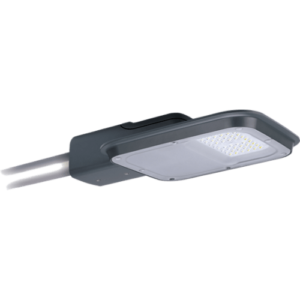
كشاف شوارع فيليبس

كشاف ليدات

منتجنا الثاني هو عبارة عن منتج مختلف تماما واثيت فاعليته بشكل كبير في الاستخدام العملي وعلى أرض الواقع. مصباح شارع LED عالي الجودة ، ذو تصميم نحيف جميل وسطوع عالي عمر خدمة طويل . يستخدم فى الممرات العامة ، ملاعب رياضية ،الشارع ، محطات وقود ، مواقف سيارات . حاز هذا المنتج على رضا الخبراء بشكل كبير بسبب جودته العالية وتوفيره الكبير للطاقة على عكس المصابيح الأخرى والتي تستهلك الكثير من الطاقة الكهربائية.

ميزات المنتج

  1. إضاءة بيضاء مميزة ودافئة وتضفي أناقة للمكان المتواجدة به.
  2. يوفر ضوءًا نقيًا ورائعًا يتفوق على أداء HID وإنارة الفلورسنت الموجود .
  3. هيكل قوي ومتين قادر على مقاومة الظروف البيئة الصعبة بشكل كبير.
  4. عمر كبير جداُ بالنسبة لإعادة الصيانة فهو موفر جداً في صيانته وسهل التركيب ولا يحتاج لمجهود كبير.
  5. عمر طويل يصل الى 30000 ساعة من العمر ، واضاءة عالية ، واستهلاك منخفض للطاقة ، وقذيفة ألومنيوم مصبوبة سميكة محدثة مع تبديد جيد للحرارة وإطالة عمر لمبة LED

خصائص المنتج

  1. يتم تثبيت الكشاف على الحائط أو عمود الإنارة : يوصى بالتثبيت على ارتفاع 5-6 أمتار للحصول على الإضاءة المناسبة.
  2. تم تصنيعه من الألومينوم بشكل يجعله مقاوم للصدأ والتآكل.
  3. رش مع مسحوق الطلاء ، عدسة  ، مقاومة الاتربة والماء والغبار ، مقاومة للأشعة فوق البنفسجية.
  4. اجتاز معيار مقاومة التآكل (اختبار رش الملح) لمدة تصل إلى 500 ساعة.
  5. ذو كفاءة عالية  100 لومن لكل واط .

تم تصنيع هذا الممنتج بشكل أساسي للاستخدام للإضاءة في الاماكن العامة لجميع أنواع الطرق والشوارع وما إلى ذلك ، وحتى إضاءة المنطقة والمواقع لمواقف السيارات والملعب ومنطقة الرياضة وما إلى ذلك. متوفرة لتحل محل مصابيح MH أو HPS التقليدية. تستخدم على نطاق واسع ,LED مثالي للإضاءة الخارجية المختلفة ، مثل الفناء ، والمحكمة ، والطرق الريفية ، والفناء الخلفي ، والجراج ، والمناظر الطبيعية ، ومنطقة الشارع ، والمربع ، وطريق القيادة ، والمنطقة السكنية ، وموقف السيارات ، وإضاءة الحديقة.

كشافات ليدات

للأطلاع على تفاصيل أخرى والسعر وطلب المتنج يرجى زيارة الصفحة الذاتية للمنتج من هنا.

كشافات ليدات

كشاف فليبس ليد

كشافات ليدات

كشافات ليدات

إن هذا الكشاف من شركة فليبس يتمتع بمظهر انيق وجميل وتم تصميمه على الطراز الحديث لاضاءة الغرفة . يعد تصميم الإضاءة الذي يضمن السلامة والرؤية الجيدة عنصرًا أساسيًا في نجاح أي مشروع . وكشاف فليبس ليد هو مصباح إنارة داخلى مصمم بأمان وحماية ويبعث الراحة بالعين .

مميزات المنتج

  1. إنه يوفر تجانسًا مثاليًا وتقليل الوهج ،فعال من حيث التكلفة ، يوفر ما يصل إلى 85٪ من الطاقة مقارنة بأضواء الكشاف التقليدية.
  2. مع عمر يصل إلى 50000 ساعة ، تضمن المصابيح  وقت إضاءة أطول , وكفاءة لاكثر من 85 % من المصابيح التقليدية ، وبالتالي تقليل الحاجة إلى صيانة المصباح واستبداله , مما يوفر حل إضاءة أكثر استدامة.

خصائص المنتج

  1. زاوية الشعاع:  110 درجة
  2.  عمر التشغيل يصل الى 50000 ساعة
  3. الواط:  40 واط  – 45 واط
  4. أبعاد المنتج : ابعادة : 60 * 60 سم
  5.  اضاءة ابيض واصفر
  6. الجهد (الفولت) 230 فولت
  7. التردد (هرتز) 50/60
  8. درجة حرارة اللون : 3000 الى 6500 كلفن

تم تصميم هذه المنتج ليتلائم مع الاضاءة الداخلية اللمباني والغرف فهو مناسب لجميع أنواع الطقس ويمكن استخدامه لإضاءة المساحات الصغيرة والكبيرة.

كشافات ليدات

للأطلاع على تفاصيل أخرى والسعر وطلب المتنج يرجى زيارة الصفحة الذاتية للمنتج من هنا.

كشافات ليدات

لتكون على تواصل حصري مع احدث منتجاتنا وعروضنا الحصرية اشترك بصفحاتنا على مواقع التواصل الاجتماعي.

للاطلاع على صفحتنا على الفيسبوك اضغط هنا.

للاطلاع على حسابنا على تويتر اضغط هنا.

كشافات ليدات

كشافات ليدات

كشافات ليدات


Posted on Leave a comment

SCADA System Grounding – 3 Factors You Really Must Consider

SCADA System Grounding – 3 Factors You Really Must Consider
electric resistance

The entire concept of lightning protection is to control and direct the lightning surge energy so it does the least amount of harm or damage. When it comes to grounding SCADA systems, there are a good many opinions on the matter, at least half of which have been influenced by apocryphal tales from the field. For a typical SCADA application, there are three main points to consider: (1) tower/mast height; (2) antenna type; (3) surge suppressor type.

The principal intention of providing a common ground is to minimize any difference in electric potential between the antenna, tower, transmission cable, communications equipment and terra firma (ground). The surge arrestor, which is intended to be installed at or very near the cable point-of-entry, is intended to reduce the potential harm to radio equipment for dc pulse electrical spikes (surges).

A cable ground kit, installed about midway between the top and the bottom of a transmission line, utilizes the guy wire paths to ground, but is usually only considered for use on cable runs in excess of 150 feet. (This is based on a calculation of distribution of current on a guyed tower using mesh current network analysis.)

In-line surge arrestor When considering options for lightning protection, keep in mind that lightning arrestors with dc continuity, such as simple gas tubes and ¼ wave shorted stubs, may not be the best choice, no matter how attractive the price may seem, since the gas tube arrestor would not turn on in time and the ¼ wave stub would ‘share’ surge current with the equipment.

The most effective type of lightning arrestor is “dc blocked”. That’s because there is no center conductor continuity from connector pin to pin. The internal coupling prevents the sharing of low-frequency surge current with the equipment. It also allows the dc blocked gas tube type ‘impulse suppressor’ to fire as the voltage reaches the turn-on threshold.

When a surge arrestor successfully protects an individual site from surge damage, the unit itself may be compromised, which is certainly better than having the radio equipment damaged. However, the link may very well not function thereafter, due to the nature of the protective device. This situation may require that the surge device be replaced…a small price to pay when compared to the cost of the radio itself.

DC ground antenna There are a number of yagi antennas that utilize a folded dipole design for the active element. With this design, the center conductor is essentially grounded to the antenna frame. If one checked resistance with an ohm meter across the shield and center conductor, it would read as a dead short. Of course, to a radio it looks like a 50 ohm load!

Electrically, it will shunt to ground. That attribute should be noted on the antenna data sheet, usually under the heading “lightning protection”, as DC ground. The path to ground is through the mounting structure, which, as a matter of course, should be electrically grounded.

Cable ground kit-do we need it? “We ground the mast and use a name brand lightning arrestor. Recently, the question of grounding the antenna cables has come up. Is that a practice that you recommend, and why or why not?”

Many system integrators have been asked this question, and as you can expect, few are undecided on the matter; they are often quite firm in their beliefs, one way or the other.

Only a few operators have elected to specify a cable grounding kit as part of the system ground. This typically involves cutting away a small portion of the jacket in order to fix a ground lug directly to the braid.

On towers that are less than 150 feet, this additional grounding technique adds only an incremental bit of transmission line ground. For most SCADA applications, the end result is not worth the additional time, equipment, and labour to install it.

Empirical evidence suggests that the majority of SCADA users, particularly in the Oil & Gas industry, find that using a surge arrestor at one end of the transmission line and installing a DC ground antenna at the other has proven to be quite sufficient and cost-effective.

Be sure to err on the side of caution when dealing with grounding issues. Surge suppressor manufacturers are a very good resource, especially when the site is not a simple installation.

Grounding of communications equipment can be quite complex and involved, particularly with high towers and/or multiple antenna systems.

For 98% of SCADA applications, the grounding methods outlined above are sufficient and safe.

Posted on Leave a comment

The Sedona Method Review and Origin

The Sedona Method Review and Origin
electric resistance

Lester Levenson was a physicist and a successful businessman, who got seriously ill in 1952, at the age of 42. Rather than surrender, he turned to himself and found a solution not only for his own situation, but he managed to formulate the so-called Sedona Method, which has helped many people.

When the doctors explained how serious his situation is and how every step he makes could be lethal, he was overwhelmed by an intense fear of death. That fear lasted for several days and was so intense that the thought of suicide. Then he suddenly realized: “I’m still alive. As long as I live, there is hope. As long as I live, maybe I could draw from this. What should I do? “

He realized that all the knowledge he possessed was useless because it led him to a difficult situation. He had to start from scratch. His search for answers began with the questions “Who am I? What is this world? What is my relationship with the world? What do I want? “The answer was:” Happiness. ” “And what is happiness?” “Being loved.”

He felt that happiness is closely linked with love so he began to consider all his past relationships by recalling moments of happiness. He realized that he was happiest when he alone loved a woman. When the women loved him, he was happy only at moments when he felt their approval, which was only the moment of ego satisfaction. Finally he concluded that happiness is equal to his love. If he could increase the love he felt, he could increase both his happiness! This was the first time he realized the key to happiness. He continued to dissect the events of the past and each time he encountered a moment in which he did not love, he changed his feeling to love for that person.

Then he gazed into his mind. “What is mind? What is intelligence? “At that moment before his eyes came the image of electric cars from the amusement park that collide one with another. They all receive energy from the electricity grid above them through a wire that comes down to each car. It was a symbolic representation of the universal intelligence and space power which goes through a wire down to every man and that we use depending on how strong we push the accelerator. He found that he could take more of that all embracing intelligence, if he chooses so.

So he started to explore his thinking and his relationship to things that happened. He discovered that every event is preceded by thought and realized that with the conscious choice of thought he could determine what will happen to him in the future. He also saw his own responsibility for what happened to him, contrary to before when he thought he is a victim. This knowledge brought him a huge sense of freedom.

Although he was with one foot in the grave when he began his quest, the moment he realized his thinking is the cause of everything that had happened, he saw his body from the chin to below as perfect. And suddenly it was perfect!

The discovery that he is able to control his destiny brought him great freedom, and lightened his internal load in such degree that he felt that he don’t have to do anything now. He felt a deep inner joy that he didn’t even know existed.

He continued to further explore how to extend this sense of joy. He went on to change his attitudes about love. He would imagine the girl who he liked best to be married to the most obnoxious man and would not stop until he could really feel the happiness for the both of them. He called that “extreme loving.” After that he tested himself in such way that he would consciously feel the greatest love for people who have offered him a large resistance and attacked him when he tried to help them.

He could not find the words to describe the bliss of the self-understanding he achieved and used the words of Paramahansa Yogananda’s: “new joy which springs every second”. This new joy later turned into a very deep peace that is even more comfortable than joy.

Lester Levenoson’s personal discoveries were eventually formalized into a self help course called the Sedona Method. Although there were some controversies about the efficiency of this program there are a lot of positive user reviews from the practitioners of this method.

The price of the complete Sedona method course is pretty high, which is probably the biggest issue that most of the people have with this program. However, the Sedona Method book is available in most online bookstores for very low price and it provides a very good overview of the philosophy behind this method.

Posted on Leave a comment

Types of Truck Bed Covers – Their Advantages and Disadvantages

Types of Truck Bed Covers – Their Advantages and Disadvantages
electric resistance

Truck Bed Covers have been a very important pickup truck accessory since around 1982. This is not a product that will come to an end anytime soon. There may be different types and models but they have rid the pickup truck problem of not having anywhere to store your gear and to keep it dry. Sure there are truck caps, but the problem some people have with truck caps is they are no good for carrying taller type cargo and you have to crawl into the cargo area to get at anything up front towards the cab, not to mention they contribute to fuel consumption due to poor wind resistance.

The manufactures of these truck bed covers keep coming up with great designs that solve different problems amongst pickup truck owners. One of the latest designs is the Extang Encore which is a hard tri-fold cover. What is unique about this tonneau cover is that you are able to open it from the front near the cab as well as from the rear near the tailgate. It also comes completely off in seconds which can really come in handy.

These days there are so many different manufacturers of pickup bed covers, but they do not all make the same type of tonneau covers. By the way, if you haven’t figured it out already, truck bed covers and tonneau covers are the exact same thing. The word tonneau basically refers to a cover used to conceal a compartment and protect it from the sun and weather.

Many of the hard bed covers come equipped with locks which add even more security. Retractable type truck tonneau covers usually come with locks installed on them. These retractable covers are quite unique as they roll up into a canister situated behind the cab across the bed of the truck. They remind me of a roll top desk. There are even some electric models that open and close with a remote. So you are not stuck in a loss of power situation you can also open them manually if need be.

Many of the soft truck bed covers as well as the hard folding covers require the tailgate to be opened in order to get at the latches to open the cover. If you add an aftermarket tailgate lock you upgrade the security factor by a great amount. Since they have been installed, they have been known to reduce theft by a great deal. You do not even have to have a lock on the cover. Just by having one installed keeps your cargo out of sight out of mind. Some of the hard covers have locks installed on them creating a very secure area to store your gear just like a trunk on a car.

Some of the main advantages and disadvantages of different types of truck bed covers are as follows. The hard fiberglass have the advantage of being one of the best for keeping your cargo area dry and they look great painted to match your truck color. The main disadvantage of the fiberglass cover is they are expensive and the fact that it only lifts up from the rear and you cannot use your truck for tall cargo. The soft roll up covers can be obtained at a lower cost and you will be able to use your truck for any type of cargo. A disadvantage of the roll up cover is the fact they are not as secure as a hard cover and a little more time consuming to fully open and close. Retractable covers allow quick easy access to your cargo area and they do allow use of most of your truck bed but they are expensive. Soft folding covers are cheaper and provide quick easy access to your cargo area but they are not as secure as the hard type and most only fold as far as two sections not giving you complete access to your bed for taller type cargo. Hard folding covers provide pretty good security, if you add an aftermarket tailgate lock they are great for security and some fold all the way to the cab which allows most of your truck bed available for taller cargo.

You can probably find many more advantages and probably disadvantages of these pickup truck bed covers but I listed some to get you thinking before you rush out and make a purchase. When you are going to buy one you should take into consideration how and what type of cargo you haul. I hope this article has helped you in your quest to purchase one of the many models of truck bed covers that are manufactured.

Posted on Leave a comment

Chocolate – Food of the Gods

Chocolate – Food of the Gods
electric resistance

History

Chocolate has a history of sweetness and violence. The Mayans, the first ones to discover the cacao plant, are credited with perfecting this concoction in its earliest form. Even dedicating a god to Cacao.

The ever-conquering Aztecs also conquered the Mayans. They quickly learned to love the taste and the health benefits associated with this dark beverage.

‘The divine drink, which builds up resistance and fights fatigue. A cup of this precious drink (cocoa) permits a man to walk for a whole day without food.’

Montezuma – Aztec Emperor (c. 1480-1520)

Both the Mayans and the Aztec recognized the cocoa plant and beans as being very valuable even using it as a means of money exchange. The Spaniards seeing the value the Aztecs placed upon the cacao plant became very interested in the plant also.

It did take time for the Spaniards to gain a liking for the dark drink that they saw “more a drink for pigs than a drink for humanity.”

Within no time the Spaniards began shipping the beans back to Spain. And there began the modern history of Chocolate.

At first the only Europeans able to afford this new beverage was the aristocracy. They didn’t consume it in the same methods as the Aztec but preferred to drink it hot and sweet.

They were also the first to begin to add other spices from the new world.

Once they found that by adding sugar the flavor improved, the love for this new drink spread rapidly.

This also meant they needed to produce more. They began experimenting with different cocoa plants. Finally they found one, which although inferior in quality and taste, could produce a much larger quantity.

They found that by adding a few extra teaspoons of sugar that most Europeans couldn’t notice a difference in quality.

In the Americas the slave trade facilitated the growth nicely and the trade grew rapidly.

Once slaves were outlawed in the Americas the plants were brought to Africa to be grown.

Historical dates

1828- “Dutching” or making cocoa into a powder to mix with water, was invented by Dutchman Coenraad Van Houten

1850’s- Solid Chocolate – Created by a famous English chocolatear Joseph Fry. By mixing sugar, cocoa powder and cocoa butter you could create a paste that when it cooled became a solid.

1879- In Switzerland it was discovered that by adding powdered milk to chocolate it became more affordable and milder. Suddenly people from all economic reaches could afford the heavenly substance.

Health benefits

The Mayan and Aztec always recognized the health benefits of chocolate. Interestingly enough it’s really only been in recent years that anyone has began any serious study of the cocoa plant.

What makes it healthy?

While cocoa is a powerhouse of nutrients from A-Z (Anandamide-Zink) What it is recognized the most for is it’s level of antioxidants, amazingly enough even the poorest quality has some level of antioxidants

What are Antioxidants

Antioxidants are the compounds that help to prevent diseases like the aging, arthritis, strokes, cancers, heart disease and others. These compounds are found in great abundance in fresh fruits and veggies.

These compounds are what give fruit and vegetables their color. In fact the darker the color and the more bitter the taste the higher the level of antioxidants.

Making the dark brown and bitter taste of chocolate in its natural form very high in antioxidants.

I’m sure you’ve heard of some of the more common antioxidants such as vitamins C and E. Researchers are still trying to identify many of the other ones and how they affect our bodies.

Why do we need Antioxidants?

Antioxidants are our “Anti-Rust” formula.

Much in the same way an apple or banana will turn color once it’s exposed to the air, we do the same thing.

As a new baby we begin to take in oxygen and as we do so our body begins to “rust” or rather break down.

When we eat foods rich in antioxidants we protect our body much in the same way that pouring lemon juice, a natural antioxidant, over fruit, stops it from turning brown.

Free Radicals

It’s these free radicals that you are protecting your body from. Free radicals are molecules “gone wild”. They are either missing an electron or have an extra electron. They become scavengers going in search of any other molecule that they can “steal” from. They are looking to neutralize themselves.

This creates a dangerous chain reaction. As one free radical attaches to a healthy cell, that cell then becomes a free radical and begins to scavenger themselves.

If this process goes unchecked then these mutating cells can create diseases. Just to name a few of the more common “free radical” diseases — memory loss, aging, immune system disorders or even cancer.

Neutralization of Free Radicals-

The goal for our body then should be to neutralize the free radicals, and this is what antioxidants do.

They do this by using one of their carbon atoms, with it’s strong bonds. As they are sitting there when a free radical comes along they are able to latch on to the free radical. They are then able to carry the free radical with them out of the body.

This is why it is so important to have a constant supply of high antioxidant foods to help eliminate free radicals from our bodies.

Chocolate, for me personally, is the most delicious way to keep free radicals in check.

Types

There are many varieties of chocolate. Below are a few of the most common varieties and uses.

Cacao vs. Cocoa

Cacao is the industry term used for the tree and fruit. Once the pod is opened the fermenting process begins and the name changes to cocoa, such as cocoa butter

cocoa bean etc.

Cacao pods – This is the football shaped fruit that the cacao tree produces. It’s about 5-12 inches long and 3-5 inches wide. Within each of these pods you’ll find about 30-40 seeds. It takes about 20 seeds to make one pound of cocoa.

Cocoa Beans – The fruit of the cacao tree, found inside the cacao pods.

Nibs- Once the cocoa beans are removed they are left to ferment. This helps to develop the deep flavor and aroma and also helps reduce the bitterness.

Once the fermentation process has taken place the beans are laid out to dry. Once dried the outer shell of the bean is removed. They use a crushing tool to do this which many times crush the seeds into what they call “nibs”. Nibs are nothing more than crushed pieces of cocoa beans.

One of the easiest and healthiest things I love to do is to add nibs to smoothies, on fresh fruit, in puddings or sprinkled on top of a soufflé. This just adds to the already rich deep chocolate flavor and increases the nutritional value of any food.

Cooking

The two things that will destroy chocolate are moisture and excessive heat. As long as you have that basic knowledge there really isn’t anything to stop you from using it.

It will grain and thicken with excessive heat, so be careful if you are using a microwave. With moisture even a very small amount will increase its viscosity, making it unacceptable for dipping.

Always store in odorless, dark, cool places.

Melting

Home Melting

A double boiler is the easiest way to melt chocolate. Do not allow steam to be coming up from the bottom of the boiler, since this could potentially ruin it.

If it becomes unworkable just add ½ T of oil and while stirring vigorously re-melt.

Professional Melting Options

Electric Frying Pan- While this is not a “professional” method if you are the “occasional” chocolatier this is a less expensive method. An electric fry pan will keep your chocolate at the perfect temperature while you work with it.

Professional Tempering Machine- If you desire to work like the pros then a professional tempering machine is what you’ll need. I recommend one put out by Sephra, the leader in fondue fountains.

Candy Making Workshops

In learning to make chocolates a candy-making workshop is your best bet.

They will teach you all their tricks and techniques, while showing you the best quality ingredients.

Workshops are a lot of fun. You learn as you cover yourself in chocolate. That sounds pretty heavenly to me.

One of the best things about workshops is your chance to jump in with both hands. At a good workshop you will be cutting, melting and dipping your way to pure chocolate indulgence.

Many places don’t offer these workshops so visit us at http://www.chocoliciouscooking.com and watch our how to videos on everything from chocolate covered pretzels to Halloween ghost cookies. The great part of watching Jeannie at http://www.chocoliciousCooking.com is that you can lick the spoon and your fingers!

Tools of the trade –

The tools listed below are ones that have made our life easier. They are tools that we use on a weekly if not daily basis.

Cocoa Latte- This machine is a must have for those cold winter mornings. I turn this on first thing in the morning as I am getting ready for work, and it’s perfection. The thing I love about the Cocoa Latte is it keeps the beverages at the perfect temperature.

This machine by Back to Basics brings the café experience right to you in your home. It whips, mixes and automatically heats your instant cocoa into frothy cafe-style drinks.

Vita Mix Blender- Vita Mix is notorious for health and is my favorite tool.

With this blender I have made, raw salsas, soups, sauces, and desserts. The speed of the blades makes it so although you may be serving a raw tortilla soup, it will be steaming hot, delicious and totally nutritious!

Sephra Fondue Fountains- Sephra has perfected the home and industrial chocolate fountain. With their patent pending technology and comprehensive warranty they were my natural choice.

I’ve used several other fountains and the Sephra fountain is by far the easiest to assemble, disassemble and clean. It makes having a chocolate party a breeze!

Fondue Pot- Fondue has its origins in the French speaking regions of the Swiss Alps and has been around for centuries.

My favorite choice for a fondue pot is an electric pot. These pots lend themselves to any type of fondue. You can boil oil or just keep a dessert fondue warm. I love the versatility found with this pot.

Recipes

Everyone has his or her favorite recipes. We are no different than any one else.

It’s easy to make any chocolate recipe a bit healthier just by adding in chocolate.

You can also use raw organic cocoa as well as raw nibs as a topping.

We love cooking at chocoliciousCooking and here are a few of our favorite recipes:

Gifts

There is nothing like giving chocolate as a gift to show that special someone just how much you love them. Each type of gift has it’s own personality of sorts.

Handmade Chocolates- The “cherished gift” I call it this because hand dipping is becoming a lost art. So you know if you receive this type of gift that they cherish you enough to give you the very best

Dark chocolate gift basket- The “thoughtfully loving” gift. I use the term thoughtful because if it’s dark chocolate they obviously care about your health and the darker the better.

Dipped Strawberries- The “sexy” gift. Don’t you think there is something very sexy about deep red strawberries and chocolate?

I can’t think of anything that would make me swoon more than this sexy gift.

Pretzels- The “fun” gift. This combination of salty sweet goodness makes them fun to make and fun to eat. Then if you wish the fun gift to become a personal party just hide a little caramel inside.

Party

Lets face it anytime there is chocolate it’s a party!

And there really is no limit to the fun party ideas that you could center around chocolate. From a Childs birthday party, Teen Halloween party, Chocolate tasting party, or a formal chocolate party — there really is no limit to the fun that could be had.

Especially with a fondue pot or fountain, the party takes on a different feel. I feel like it makes a formal party more of a “water cooler” type of feeling. And it gives a causal party more elegance.

As they stand around dipping fruits, breads and candies in the never-ending flow of chocolate, you not only are filled physically but enjoy the social interaction that comes naturally from the experience.

Chocolate is not optional, it’s a necessity!

It’s healthy

It not only makes you feel good, it also makes you smile!

The best gift anyone can ever receive!

No matter how casual or elegant the affair, it suddenly becomes a party!

For maximum effect it should be consumed and shared daily!

Posted on Leave a comment

Developing Aggression in Youth Football Players, the Splatter Tackling Drill

Developing Aggression in Youth Football Players, the Splatter Tackling Drill
electric resistance

Splatter Tackling Drills

We are huge fans of splatter tackling and splatter tackling drills when you are coaching youth football. These drills are great ways to ease your kids into full contact. We think it is imperative to prefect blocking and tackling technique at the youth level. Too many youth football coaches just don’t spend enough time or demand the perfection of detail that makes kids great blockers and tacklers.

Ruining the Potential of Good Kids

Despite what many youth coaches think, most kids aren’t born to be great blockers and tacklers, they are made. Unfortunately there are a bunch of kids out there that have the potential to be very good football players that are ruined by their youth football coach. These coaches rush kids into contact before they have perfected perfect blocking and tackling technique with their players WITHOUT contact. Too many kids get rushed into full speed blocking and tackling in space well before they are ready for it. That’s a coaching problem, not a kid problem. Coach is too busy trying to quickly see who is studs are, before giving his average and weaker kids a chance to develop the skills and confidence to be able to survive and compete in a full speed tackling or blocking drill in space.

Splatter Drills

In our book “Winning Youth Football a Step-by- Step Plan”, we detail exactly how you can do it. One of the key steps is using “Splatter” drills. The Splatter Drill lets a player learn how to accelerate through contact without experiencing the consequence of a reciprocal blow. This drill also allows the player to take another player to the ground without a hard ground impact. This drill can also help you drill the correct landmarks for feet placement, head placement and hip roll.

For the player playing the role of the “patsy”, the player providing zero resistance to the block or tackle and is getting slammed into a soft landing matt on every rep, the job doesn’t sound like much fun. But what I’m hearing from coaches all across the country is that their kids love to be the one holding the shield and getting slammed onto the landing pad every play. I thought our kids were weird, they all want to play the pasty, but I guess everyones kids are as odd as mine.

Problems With Splatter Drills

One of the things that always bothered me about this drill was the fact you need to have 4 long dummys to use as landing pads. Well at about $100 each, that is $400, out of the reach of many youth programs. Lugging these dummies around is a big hassle as well. Then once on the field, you have just one landing pad for 25 kids. As most of you know I’m not a fan of having kids standing in long lines, so that means whenever we do splatter drills. It is only part of a circuit, it is never a drill we want to do on it’s own, even if we need it.

The Solution, Tony Holland to the Rescue

My good friend Tony Holland from Maryland solved this one. He went to Walmart and bought several camping air mattresses for $65 each. Each mattress is big enough to be a landing pad all by itself. These things roll up into a small box too, so you don’t need a pickup to lug them around. Tony bought a small electric air compressor for $20 that not only inflates each mattress in less than 2 minutes, it also sucks the air out as well when you are finished. Tony has several of these mattresses so his kids can all do Splatter Drills at the same time and in much smaller groups. He didn’t have to repair a single leak and he said all of his are good to go for next season.