Posted on Leave a comment

Not All LED Lights Are Created Equal

[ad_1]

This article is an introduction to the world of LED Lighting and Controls. I will follow-up with more articles specific to various lighting and control issues that you may have in your environment. The technology discussed is truly leading to a sustainable lighting environment guiding away from the consumption model.

In 2007 anyone who could put a white LED onto a Printed Circuit Board tried to sell a light bulb replacement. Having been involved with laser diode design and in specific blue lasers in their early stages I had a high curiosity whether those devices could replace the light bulb or fluorescent tube.

Like others we attempted to make a light bulb replacement only to find out that the cost of the technology is still very high and in order to justify that cost the device would have to be more efficient than a fluorescent tube and keep its light output for a very long time to get a return of investment.

Deeply understanding the quantum physics involved I knew that the junction where the light is created, that is deep in the solid state structure, had to be kept rather cool to not get damaged over time by heat and to perform with high-efficiency.

When we saw all players not to care about efficiency or keeping their devices cool but try to develop a light bulb with a slightly longer life but not too much longer, the opportunity arose to make a very long-lasting light fixture. We are talking 10 years plus without light degradation or change in color.

Fortunately we also came from the networking arena so we developed a protocol of communication between the light fixtures that allows uniform dimming over an infinite number of devices by one low-cost dimming device.

Imagine that in future a supermarket does not have to change its’ light fixtures every 3 years but can leave them in place for 15 years or more, no more light bulbs or tubes to be replaced and have no light loss.

Oh by the way, LEDs do not have Mercury like fluorescent tubes and “Energy Saving” lamps. The wattage on the fixture is the actual wattage consumed unlike your “Energy Saver” bulb that consumes between 30% and 50% more energy than advertised.

To further cement commitment to the environment manufacturers should recycle all their product as long as the user finds a way to get it to a recycling center and guarantee to pay back to the customer a recycling value on return.

However, it is difficult for the non-specialist person to understand that not all LED devices are created equal and to recognize what is marketing hype and what is real. The DOE or Energy Star are not helping as they lag years behind technology and generally support the consumption model brands rather than lasting and really efficient technology to the point of being hostile to new and better technologies.

[ad_2]

Posted on Leave a comment

Folding Sliding Doors

[ad_1]

The huge growth in demand for folding sliding doors over the last two or three years has led to a rapid increase in the choice of door systems available for the consumer. Also referred to as bi fold doors, bi folding doors, multi fold doors and concertina doors they are best known as folding sliding doors because of the opening action itself. This type of door can provide unobstructed openings of up to 6 metres and sometime more as the panels simply fold, slide and stack neatly to one side or both sides of the aperture.

Folding sliding doors are an ideal replacement for existing French or sliding patio doors where they can literally transform the existing opening and open up the room to the outside. This type of bi folding door is now becoming the most sought after door style for new build and home extensions whilst also proving a popular upgrade choice for homeowners adding a conservatory to their property due to their ability to seamlessly merge the new conservatory with the garden effectively bringing the outside inside.

Although the original concept of a folding sliding door dates back over 100 years where they were often used for closing off small storage areas today’s folding sliding doors are designed to be high performance energy efficient patio doors using the latest innovative insulation features in both door and glazing construction.

Folding sliding doors not only allow wider unobstructed apertures but the increased glass area allows huge flows of natural light to enter the home from the outside which during the colder months will provide efficient use of solar gain to minimise heating costs. Doors are available in a choice of materials including timber, aluminium and PVC-u together with a choice of colours and finishes that will enhance any home.

TIMBER

You can choose from a number of engineered timber folding sliding doors including softwood or hardwoods such as Meranti and European Oak. Timber is normally engineered or laminated to ensure it is structurally resistant to warping or twisting and doors are normally available with either a factory applied translucent stain or RAL colour paint finish.

As timber is a natural insulator timber folding sliding doors offer the most energy efficient solution when combined with high performance double glazing offering U values as low as 1.4.

Timber folding doors usually provide slim sight lines as the individual door panels are normally hinged off each other without the use of additional mullions between each panel and therefore maximising visible glass areas.

Timber is a natural sustainable material that is very energy efficient but will require regular maintenance over the life time of the door to maintain their stain or paint finish.

ALUMINIUM

Aluminium folding sliding doors are normally manufactured from durable, strong thermally broken aluminium profiles that have specifically been designed for the purpose. These systems have been in use for several years in both domestic and commercial installations such as restaurants and hotels.

Most systems utilise bottom rolling gear so all the weight is carried at the bottom with guide rollers at the top and panels are often connected to sliding and floating mullions which help ensure the door operates smoothly and effortlessly.

Aluminum is a popular choice for this type of folding door as it is virtually maintenance free, hard wearing and good looking. Aluminum folding sliding doors are available in over 200 different RAL paint finishes which can usually be specified in your choice of matt, silk or gloss finish. It is also possible to specify dual colours with a different colour internally and externally.

UPVC

Also referred to as plastic or PVC-u folding sliding doors this type of door is relatively new in the market place when compared to aluminum or timber. Due to its comparative low cost uPVC door manufacturers have quickly adapted their existing uPVC door profiles to create bi folding doors in response to an increasingly growing market that required a more affordable folding door system. uPVC folding sliding doors can be substantially cheaper than their aluminum or timber counterparts but there is often a trade-off in design elements that can sometimes compromise the quality of the product.

Adapting bulky wide uPVC steel reinforced profiles that were originally designed for traditional hinged external doors meant glass sight lines were considerably reduced and the doors used ugly face fixed hinges and exposed gearing which also sometimes posed a security hazard.

However, some manufacturers have started to introduce the next generation of uPVC folding doors using slimmer profiles and concealed gearing that compare favourably with those of timber and aluminium. Heavy steel profile reinforcement is starting to be replaced by lighter yet stronger recycled composite material that is also much more energy efficient.

[ad_2]

Posted on Leave a comment

Rustic Aesthetic Farmhouse Decor

[ad_1]

Modern urban farmhouse are home design keywords that are very popular today as the natural aesthetic vibe is very much in sync with being grounded to Mother Earth and being respectful to her compassion. Growing up on farms and being surrounded by nature, incorporating rustic wood and furniture is a natural progression of the farmhouse decor style.

Warm and collected, modern rustic farmhouses are filled with casual, lived-in village charm. Designers take elements from the old world architecture, mix with practical and modern fittings thereby making a statement piece.The modern farmhouse aesthetic takes the front porch and makes it whimsical with an elaborately handcarved swing with flowers and peacock detailing. Whether a triple arch spans the entire front porch of the house, or has one that is small and enclosed, a front porch is a beautiful farmhouse touch.

Create a collected fresh look yet one that is worn with time. Use a medley of colors and vary the distressed carved wood cabinets to create a gathered over time ambiance. Keep windows bare so you can see the pastures and fresh flowers blooming. Farmhouse life is centered around the kitchen so have lots of storage and sitting. An old door created into a dining table with a glass top and ox cart benches bring the village rustic charm.

Find an old steel sink for the bathroom and convert a rustic chest into a vanity. Reclaimed old doors are used to make these chest and are very earth friendly. Some have metals like iron and brass that will balance the energy in the room by grounding the negative ions into the earth. An old window frame with iron accents was used to make a mirror. Run a simple sari curtain instead of cabinet doors to cover up storage without taking away from the rough textures of the old woods.

Combine the new into the old. The bathroom glass shower disappears into the stone wall. The carved Tree of Life barn door adds softness to this rustic room. Exposed beams and a carved natural stone Buddha statue carries the zen ambiance through with a waterfall cascading behind it and lots of broad leaf palms accent the white stone walls. Exposed plumbing and electrical conduits run parallel to the cabinets. Primitive lanterns and old ceiling fans with a utilitarian feel hang from the exposed rafters. Rustic handmade wardrobe cabinets give extra storage as well giving and old world sophistication to the room.

[ad_2]

Posted on Leave a comment

مشتركات كهربائية

مشتركات كهربائية

سوف نقدم في مقالنا هذا مراجعة لبعض المشتركات الكهربائية المميزة في الأسواق والتي حازت على أفضل التقييمات من ناحيتي السعر والجودة. ونالت على رضا مهندسي الكهرباء بفضل المهارة والاتقان في طريقة التصنيع مما جعل هذه المنتجات تتصدر السوق من حيث المبيعات ضمن شرائحة وطرق استخدامها.

مشتركات كهربائية – مشترك كهربائي

مشترك بسلك 3 فتحة + 3 USB

مشتركات كهربائية

متعدد المقابس مع الحماية من زيادة التيار وظيفة توقيت التحكم عن بعد مخارج تيار متردد مستقلة 2 منافذ USB و 5 مقابس محمي لضمان سلامة الفرد وفتح واغلاق الكهرباء . حيث قدمت لنا الشركة المصنعة منتج من أفضل المنتجات في مجاله.

ميزات المنتج

  1. مصمم بشكل احترافي لتحسين سلامة العمل وحماية الطفل.
  2. تصميمات الحماية من الصواعق والتيار الزائد والجهد الكهربائي ودرجة الحرارة الزائدة.
  3. يضمن شريط الطاقة هذا سلامة تشغيل أجهزتك الكهربائية المنزلية.

خصائص المنتج

  1. يحتوي المنتج على ثلاثة ماخذ كهربائية ذات قدرة تحمل عالية.
  2. يحوي المنتج على ثلاثة ماخذ USB بسرعة نقل كهربائية عالية مناسبة لجميع أنواع الشواحن.
  3. يوفر سلك الطاقة الآمن ، ومفتاح الطاقة أمانًا للمكونات الإضافية ، وحماية من الصواعق ، وحماية من زيادة التيار (حماية من الحمل الزائد) لضمان أجهزة منزلية أكثر أمانًا ، ومعايير جودة أعلى للمواد المقاومة للحريق ، وغطاء مثبط للهب ، وليس من السهل التقادم.
  4. مناسب أثناء التنقل : مزود طاقة عالمي ، مع مقابس طاقة مختلفة لذلك لا داعي للقلق على الطريق.

منتج من الأفضل بفضل قدرة التحمل العالية ومتصدر في الشريحة الاقتصادية والفنية من حيث السعر والجودة.

للاطلاع على مزيد من التفاصيل والسعر وطلب المنتج زيارة الصفحة الذاتية للمنتج من هنا.

مشتركات كهربائية – مشترك كهربائي

مشترك بسلك 3 فتحة + 6 USB

مشترك كهربائي


يمكنك الآن شحن هاتفك الذكي أو جهازك اللوحي أو أي جهاز آخر في نفس الوقت باستخدام شريط الطاقة الفريد هذا الذي يحتوي على 3 منافذ تيار متردد و 6 منافذ USB حتى تتمكن من شحن ما يصل إلى ثلاثة أجهزة وأربعة أجهزة تعمل بالطاقة USB في وقت واحد دون أي متاعب .

مميزات المنتج

  1. آمن للهواتف المحمولة وأجهزة الكمبيوتر مع حماية ضد تقلبات الجهد والارتفاعات المفاجئة والارتفاعات.
  2. يتيح سلك التمديد للخدمة الشاقة الذي يبلغ طوله 6 أقدام الاتصال بمأخذ حائط بعيد ، مما يوفر حماية قيمة من زيادة التيار للإلكترونيات الخاصة بك.
  3. تمنحك وحدة الطاقة هذه تحكمًا كاملاً من خلال مفتاح التشغيل بنقرة واحدة.
  4. مضاد للكهرباء الساكنة وحماية من الحمل الزائد ، هذا الامتداد هو المزيج المثالي.
  5. يوجد لمبة مضاءة حتى تتمكن من معرفة ما إذا كانت الطاقة تصل إليه.

خصائص المنتج

  1. تصنيف إخراج التيار المتردد : 13A، 250V، 2500W
  2. المقابس: 3 منافذ تيار متردد قياسية  + 6 منافذ USB
  3. مصنوع من بلاستيك ABS قوية. مع مواد مقاومة للحريق وأسلاك نحاسية مئة في المئة.
  4. الحجم : 162 * 97 * 38 مم. طول السلك 2 م. الوزن : 534 جرام .
ما عليك سوى توصيل الفيشة في أي مقبس تيار متردد بالحائط وتوصيل جهازك للحفاظ عليه في مأمن من اندفاعات الطاقة وضربات الصواعق.
حماية من زيادة الحمولة في حالة الحمل الزائد للطاقة (الطاقة المقدرة: 2500 واط) ، سيتم إيقاف مفتاح الأمان ذو الكسر المزدوج الذي يمكن الاعتماد عليه تلقائيًا لحماية أجهزتك ومنزلك.
سلك تمديد من أجل موصلية أقوى وعالية وكفاءة أكبر لإخراج الطاقة وسخونة أقل والمزيد من الأمان .
يتحمل السلك الضغط لتعزيز السلامة وطول العمر .

للاطلاع على مزيد من التفاصيل والسعر وطلب المنتج زيارة الصفحة الذاتية للمنتج من هنا.

مشتركات كهربائية – مشترك كهربائي

مشتركات كهربائية – مشترك كهربائي

مشترك بسلك 4 فتحة + 2 USB

مشتركات كهربائية

متعدد المقابس مع الحماية من زيادة التيار وظيفة توقيت التحكم عن بعد مخارج تيار متردد مستقلة 2 منافذ USB و 5 مقابس محمي لضمان سلامة الفرد وفتح واغلاق الكهرباء .

يجعل حامل الأدوات الكبيرة من السهل شحن جهازك بشكل مريح وآمن على مكتبك ، تصميم مفتاح التحكم الكامل يمكن لمفتاح واحد أن يقطع الطاقة ، وسهل التشغيل يدعم الشحن السريع لجهاز واحد 2.4 A .

ميزات المنتج

  1. وهي مصنوعة من مادة مثبطة للحريق وواقية من زيادة التيار الداخلي.
  2. توفر المنافذ ال3 المحمية من زيادة التيار حماية قوية لمجموعة واسعة من الأجهزة.
  3. مضاد للكهرباء الساكنة وحماية من الحمل الزائد ، هذا الامتداد هو المزيج المثالي.
  4. تمنحك وحدة الطاقة هذه تحكمًا كاملاً من خلال مفتاح التشغيل بنقرة واحدة.

خصائص المنتج

  1. يوفر المشترك العالي الجودة 5 مفاتيح واقية دائرية الشكل .
  2. المقابس: 4 منافذ تيار متردد قياسية  + 2 منافذ USB
  3. تصنيف إخراج التيار المتردد : 13A. الجهد الكهربى : 250V. القوة الفعلية :2500W
  4. مصنوع من بلاستيك ABS قوية. مواد مقاومة للحريق وأسلاك نحاسية 100٪.
  5. سلك تمديد من أجل موصلية أقوى وعالية وكفاءة أكبر لإخراج الطاقة وسخونة أقل والمزيد من الأمان . يتحمل السلك الضغط لتعزيز السلامة وطول العمر . بطول : 2 متر / 6 أقدام
  6. التيار : 13 Ampere. الجهد الكهربى : 250 V. طول الكابل: 2.0M
  7. USB الإخراج : 5V 2.4A – 17W
  8. الطاقة الفعلية المقدرة: MAX2500W
  9. الجهد الكهربى المقدر :AC100-250V

يعد شريط الطاقة الذكي هذا جيدًا للاستخدام في دراستك لتوفير الطاقة لمصباح الطاولة الخاص بك عندما تقرأ في الليل ، وشحن الهواتف وأجهزة iPad وأجهزة الصوت ذات اللون الأزرق وما إلى ذلك . يعد شريط تمديد سلك الحماية من زيادة التيار هذا مثاليًا ليكون قطاع الطاقة الخاص بطاولة المؤتمرات أو المكتب للكمبيوتر والمعدات الكهربائية .

للاطلاع على مزيد من التفاصيل والسعر وطلب المنتج زيارة الصفحة الذاتية للمنتج من هنا.

مشتركات كهربائية – مشترك كهربائي

مشتركات كهربائية – مشترك كهربائي

للإطلاع على جديدنا واخر عروضنا الحصرية زيارة صفحتاتنا على مواقع التواصل الاجتماعي.

صفحتنا على الفيسبوك هنا

صفحتنا على تويتر هنا

مشتركات كهربائية – مشترك كهربائي

مشتركات كهربائية – مشترك كهربائي

مشترك كهربائي

مشترك كهربائي


Posted on Leave a comment

أنواع وصلات المواسير

أنواع وصلات المواسير لصناعة المواسير والسباكة

أنواع وصلات المواسيرالمواد الهندسية ، الميكانيكية ، خطوط المواسير ، أساسيات تصميم المواسير ، واجهة المواسير

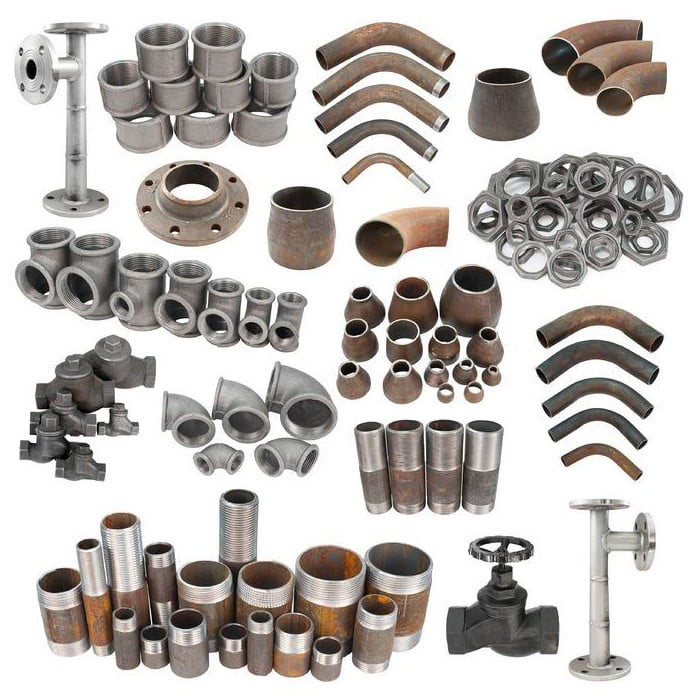
يتم تعريف تركيبات المواسير على أنها مكونات المواسير التي تساعد في توجيه المواسير لتغييرات الاتجاه وتغييرات الحجم ووصلات الفروع. أكواع المواسير ، ومخفضات المواسير ، ووصلات الإنطلاق ، ووصلات Olet ، والأغطية ، والصلبان ، وما إلى ذلك هي تجهيزات المواسير وتستخدم على نطاق واسع في كل من صناعة المواسير والسباكة. تخدم تركيبات المواسير المختلفة وظائف مختلفة حسب التخطيط أو متطلبات العملية. يتم تصنيع تجهيزات المواسير كأصناف منفصلة ويتم شراؤها بشكل منفصل. يتم توصيل تجهيزات المواسير بالمواسير باستخدام وصلات طرفية مختلفة. تلعب تركيبات المواسير دورًا مهمًا في الأداء السليم للأنابيب والمواسير في التطبيقات المختلفة. في هذه المقالة ، سوف ندرس نظرة عامة على أنواع مختلفة من وصلات المواسير المستخدمة في صناعة المواسير وخطوط المواسير والسباكة.

أنواع وصلات المواسير

تُستخدم أنواع مختلفة من تركيبات المواسير في صناعات المواسير والسباكة وخطوط المواسير لتعمل كوصلة فرعية أو مكونات أخرى للأنابيب المضمنة. تركيبات المواسير الشائعة المستخدمة على نطاق واسع في الصناعات مذكورة أدناه.

كوع المواسير

900 كوع

450 كوع

طويل نصف قطر الكوع

كوع نصف قطر قصير

وصلة الإنطلاق

يساوي نقطة الإنطلاق

تخفيض نقطة الإنطلاق

نقطة الإنطلاق المحظورة

المخفض

مخفض أحادي المركز

مخفض غريب الأطوار

النقابات

اقتران

نصف إقتران

اقتران كامل

تقليل اقتران

محولات

اتصالات أولت

ويلدوليت

سوكوليت

الكوع

ثريدوليت

نيبوليت

لاتشيفيل

سويبوليت

Flageolet

صمامات المواسير

صمام البوابة

صمام الكرة

فحص الصمام

صمام التوصيل

ثقب الابرة

صمام فراشة

صمام العالم

تعبر

صليب متساو

تخفيض الصليب

وايز

قبعة

حلمات

سدادة

جلبة

الشفاه المواسير

وصلة التوسع

مصائد البخار

طويل الشعاع بيند

الانحناءات ثلاثية الأبعاد

الانحناءات 5-D

شوكة

لوكنات

ميتري بيند

ومع ذلك ، لاحظ أنه في حالة ثني أنبوب أو خط أنابيب في ورشة تصنيع المواسير لتغيير الاتجاه ، فلن يكون ذلك من تجهيزات المواسير. تعتبر تجهيزات المواسير دائمًا عناصر منفصلة عن الأنبوب. انقر فوق الكلمات بالخط العريض والمائل أعلاه للتعرف على هذه العناصر بالتفصيل حيث سبق لي أن نشرت مقالات منفصلة عنها. سنناقش تركيبات المواسير المتبقية في الفقرات التالية.

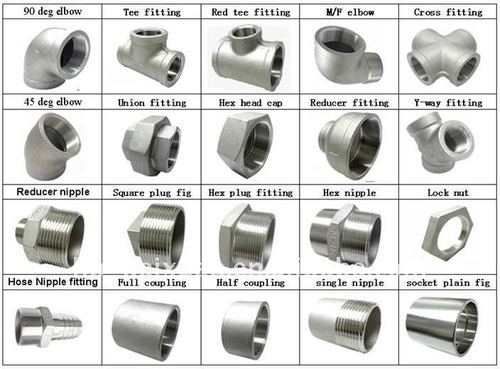
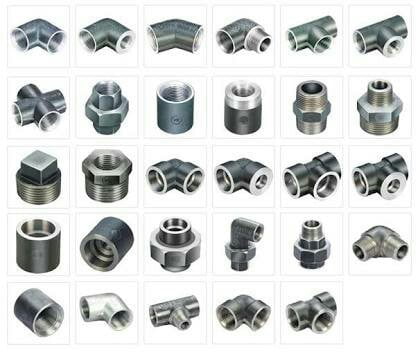
تُظهر الصورة التالية (الشكل 1) أنواعًا مختلفة من التركيبات للرجوع إليها.

الشكل 1: وصلات المواسير لصناعات المواسير والسباكة

اتحاد المواسير / اتحاد تركيب المواسير / تركيب اتحاد المواسير

اتحاد المواسير هو نوع خاص من تركيبات المواسير التي توحد أنبوبين ويمكن فصلها بسهولة دون أي تشوه في المواسير. إنها توفر ختمًا إيجابيًا وتجميعًا وتفكيكًا سهلًا. في تطبيقات تركيب المواسير ، يتم استخدامها على نطاق واسع بشكل أساسي في صناعات المواسير والصناعات الصحية ذات التجويف الصغير. اتحادات المواسير مصنوعة من الفولاذ الكربوني والفولاذ المقاوم للصدأ والحديد الزهر والنحاس والنيكل والألمنيوم والبلاستيك ومواد السبائك حسب درجة الحرارة ومتطلبات الخدمة.

يتكون اتحاد المواسير من ثلاثة أجزاء ؛ نهاية ذكر ، وجوز ، ونهاية أنثى. يحتوي الطرف الأنثوي على خيوط من الداخل بينما توجد الخيوط بالخارج في الجزء الأخير من الذكور. يوفر الجوز الضغط اللازم ويغلق المفصل. يمثل الشكل 2 اتحادات المواسير النموذجية المستخدمة في صناعة وصلات المواسير.

الشكل 2: اتحادات المواسير

محولات المواسير

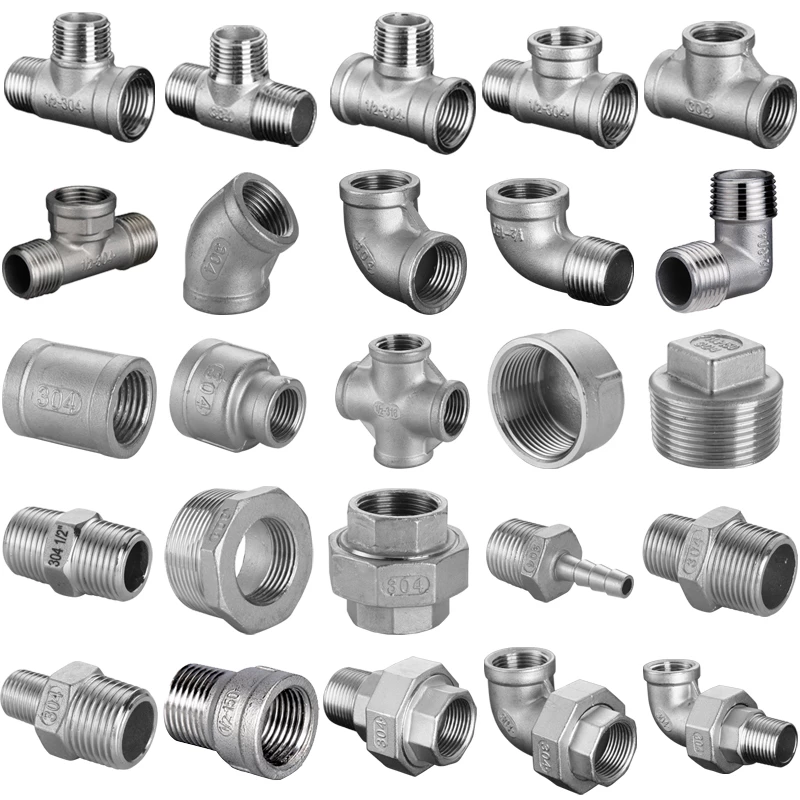
تستخدم المحولات كتجهيزات مواسير لربط المواسير غير المتشابهة. محولات المواسير متوفرة في أنواع مختلفة لتطبيقات مختلفة. لذلك يجب توخي الحذر أثناء الطلب للحصول على النوع الصحيح. يتم تصنيفها على أنها: مهايئ أنبوب القفل ، مهايئ أنابيب الأوفست ، مهايئ الأنبوب الذكري ، مهايئ الأنبوب الأنثوي ، محولات الخيط المستقيم ، إلخ. وجدوا غالبية تطبيقاتهم في المواسير الصحية لتطبيقات السباكة. عادة ما تكون مصنوعة من الفولاذ والحديد الزهر والبوليمرات والنحاس والألومنيوم والبرونز والمواد النحاسية.

الشكل 3: محولات المواسير

وصلات المواسير Olet

Piping Olet عبارة عن وصلة فرعية معززة ذاتيًا تستخدم لربط فروع المواسير الصغيرة من المواسير الرئيسية ذات الحجم الأكبر. هذا هو بديل للأنبوب إلى المتفرعة المواسير. تم تصميمها خصيصًا من قبل شركة تسمى Bonney Forge. في الأماكن التي لا يتوفر فيها نقطة الإنطلاق المختزلة ، يتم استخدام المواسير الزيتية على نطاق واسع. تم تصميم أجزاء المواسير على أساس MSS SP-97 أو ASME B 31.3. أنواع مختلفة من المواسير الزيتية متوفرة. أوليت المواسير المستخدمة على نطاق واسع هي:

Weldolet: إنه عبارة عن اتصال بفرع 900 ومتاح بأحجام 2 وأكثر. تجهيزات أنابيب Weldolet مناسبة لفئات الضغط ودرجات الحرارة المرتفعة وتستخدم على نطاق واسع في صناعة المواسير. Weldolets متوفرة بحجمين ؛ الحجم الكامل والحجم المصغر. ومع ذلك ، فإن تقليل الحجم هو أكثر أنواع اللحام استخدامًا.

Sockolet: Sockolet هي أيضًا 900 وصلة فرعية ولكنها تستخدم لتوصيل المواسير الملحومة ذات التجويف الصغير برأس المواسير الملحوم تناكبًا بحجم أكبر. على غرار اللحامات ، فهي أيضًا تأتي بالحجم الكامل وتقليل حجم الإنشاءات.

Thredolet: Threadolets عبارة عن 900 أنبوب مناسب لتوصيل التركيبات الملولبة ذات التجويف الصغير بوصلات مواسير اللحام.


الشكل 4: وصلة Weldolet و Sockolet و Threadolet

وبالمثل ، هناك تركيبات أخرى للأنابيب مثل Elbolet و Nipolet و Latrolet و Flexolet و Flangolet و Sweepolet و Coupolet. يتم توفير تمثيلهم التصويري في الشكل 5.

الشكل 5: تركيبات المواسير المختلفة Olet

صليب المواسير

يعتبر صليب المواسير شائعًا أيضًا باعتباره أحد التركيبات ذات الاتجاهات الأربعة لأنه يتكون من مدخل واحد وثلاثة توصيلات منافذ أو العكس. لا تحظى بشعبية كبيرة في صناعات النفط والغاز ونادرًا ما يتم استخدامها. يتم استخدامها في أنظمة رشاشات الحريق. في تقاطعات المواسير ، تلتقي أربعة وصلات أنابيب عند نقطة مشتركة واحدة.

وايز

تسمى تركيبات مواسير Wye أيضًا بالوصلات الجانبية. جاء الاسم لأنه يشبه الحرف “Y”. يتم استخدام هذا النوع من تركيبات المواسير في أنظمة الصرف ولها خط فرعي عند 45 درجة للحفاظ على تدفق المياه سلسًا. هذا النوع من تركيبات المواسير له خسارة احتكاك منخفضة واضطراب منخفض للغاية.

الشكل 6: وصلات كروس وواي

قبعات ومقابس

الأغطية والمقابس عبارة عن تجهيزات أنابيب تُستخدم لإغلاق نهايات المواسير. إنها تغطي نهايات المواسير وتوفر ختمًا محكمًا. تستخدم على نطاق واسع في المواسير المسدودة أو في الوصلات المستقبلية.

جلبة

البطانات كتركيبات المواسير تجمع أحجام المواسير المختلفة معًا. إنها تقلل الحجم الأكبر إلى حجم الأنبوب الأصغر. بالمقارنة مع الاتحاد أو اقتران ، تشغل البطانات مساحة صغيرة جدًا.

طويل الشعاع بيند

تستخدم انحناءات المواسير ذات نصف القطر الطويل في خطوط أنابيب نقل السوائل التي تتطلب الحفر. تتميز تجهيزات المواسير هذه بانخفاض ضغط أقل وتدفق سلس بسبب نصف قطرها الطويل وتغير الاتجاه السلس. الانحناءات الشائعة للأنابيب ذات نصف القطر الطويل هي انحناءات أنابيب ثلاثية الأبعاد وخماسية الأبعاد حيث يكون D هو حجم الأنبوب.

شوكة

بارب هو أحد التركيبات المفيدة المستخدمة في نظام السباكة. الشائكة تربط المواسير المرنة بالمواسير. لديهم طرف ذو سن ذكر من جانب والطرف الآخر به أنبوب فردي أو متعدد الشائكة يتم إدخاله في الأنبوب المرن.

أنواع وصلات المواسير على أساس الاستخدامات / الأغراض

  • اعتمادًا على استخدام تركيبات المواسير ، يمكن تصنيفها على النحو التالي:
  • أنواع تركيبات المواسير لتمديد أو إنهاء تشغيل المواسير
  • اقتران
  • محولات
  • النقابات
  • قبعات
  • المقابس
  • تركيبات المواسير لتغيير الاتجاه
  • المرفقين
  • الانحناءات
  • وصلة الإنطلاق
  • تعبر
  • أنواع وصلات المواسير لربط أنبوبين أو أكثر
  • المحملات
  • تعبر
  • أكواع مدخل جانبي
  • وايز
  • تجهيزات المواسير لتغيير الحجم
  • مخفضات
  • البطانات
  • اقتران
  • تخفيض نقطة الإنطلاق
  • تجهيزات المواسير للتحكم في التدفق
  • الصمامات
  • معايير اختيار وصلات المواسير
  • يجب مراعاة عوامل مختلفة لاختيار وصلات المواسير المناسبة. قليل منهم مدرجون أدناه كمرجع:
  • مواد البناء: يجب أن تكون مواد تركيب المواسير متوافقة مع الخدمة ودرجة الحرارة. عادةً ما تكون المادة المختارة هي نفسها مادة الأنبوب.
  • أنواع التوصيلات النهائية: يجب أن يكون المشتري على دراية بأنواع التوصيلات النهائية قبل شراء أي تركيبات أنابيب.
  • نوع تركيبات المواسير: يتم تحديد تركيبات المواسير أيضًا من خلال نوع التركيبات مثل الخيوط أو الانزلاق ، ذكر أو أنثى. لذلك ، تقع على عاتق المشتري مسؤولية اختيار النوع المناسب لتركيب المواسير.
  • حجم تركيب المواسير: يجب أن يكون حجم التركيب معروفًا قبل اختيار التركيب. عادةً ، يحدد OD أو ID للأنبوب المتصل حجم الأنبوب المناسب.
  • الجدول الزمني أو السماكة: تتوفر تركيبات المواسير أيضًا في نطاقات سماكة مختلفة مماثلة للأنبوب. لذلك ، قبل اختيار تركيبات المواسير ، يجب ضمان السماكة.
  • تصنيف الضغط: يعتبر الضغط الداخلي أيضًا عاملاً مهمًا في الاختيار المناسب لملاءمة المواسير.
  • معايير وكودات تركيب المواسير: تتوفر العديد من الأكواد والمعايير لتركيبات المواسير. يجب على المشتري تحديد الخيار الصحيح قبل تقديم الطلب. على سبيل المثال ، ASTM ، ASME ، DIN ، BSP ، MSS ، ISO ، إلخ ، هي معايير معينة مخصصة لتركيبات المواسير وتحكم هذه المعايير تصميمها واستخدامها.
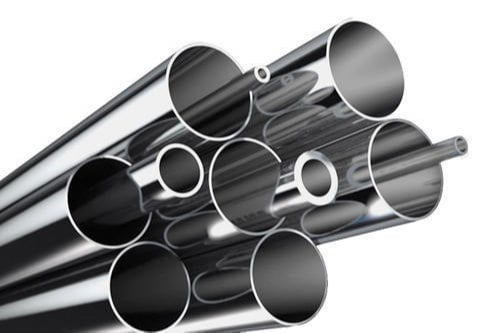
metal pipe on white background. on a white background 3D illustration, 3D rendering

معايير تركيب المواسير

  • تركيبات المواسير تمليها الأكواد والمعايير التالية:
  • ASME B16.9.0
  • ASME B16.28.0
  • ASME B16.11.001
  • ASME B16.1
  • ASME B16.3
  • ASME B16.4
  • ASME B16.5
  • ASME B16.14.0
  • ASME B16.15
  • ASME B16.25.0000
  • ASME B16.36.0
  • مواد تركيب المواسير
  • المواد المختلفة التي يتم تصنيع تجهيزات المواسير منها هي:
  • الكربون الصلب: A-105 ؛ A-234 ؛ A-216
  • الفولاذ المقاوم للصدأ: A-182 ؛ A-403 ؛ A-351
  • سبائك الصلب منخفضة: A-182 ؛ A-234 ؛ أ – 217
  • LTCS: A-350 ؛ A-420 ؛ A-352
  • سبائك النيكل والنيكل
  • الموليبدينوم الكروم
  • الألومنيوم
  • التيتانيوم
  • برونزية
  • نحاس
  • CPVC
  • EPDM
  • الألياف الزجاجية / مركب
  • حديد (رمادي / مصبوب / مطيل)
  • المطاط الصناعي
  • النيوبرين
  • نايلون
  • مادة البولي أميد
  • البولي ايثيلين (PE)
  • البولي بروبلين (ب)
  • PTFE
  • بولي كلوريد الفينيل (بولي فينيل كلوريد)
  • تطبيقات وصلات المواسير
  • تحظى تجهيزات المواسير بشعبية كبيرة وتستخدم على نطاق واسع في الصناعات التالية:
  • مصفاة / كيماويات / بتروكيماويات
  • البلدية
  • سلطة
  • النفط والغاز
  • الأطعمة والمشروبات ومنتجات الألبان
  • أجهزة العملية
  • لب الورق والورق
  • أشباه الموصلات
  • صلب
  • البحرية والتجريف
  • الري
  • سكني
  • الصرف الصحي
  • بناء الطرق والطرق السريعة
  • التهوية إلخ.

أنواع المقابس في العالم 2022لمعرفة اخر المنتجات الخاصة بنا وعروضنا المميزة يرجى الاشتراك بصفحاتنا على مواقع التواصل الاجتماعي:

صفحتنا على الفيسبوك=> Gahzlystore

صفحتنا على تويتر=> Gahzlystore

GAHZLY

Posted on Leave a comment

Trikke Wheel Replacement

Trikke Wheel Replacement
electric resistance

Worried about the need to frequently change out your Trikke wheels? Don’t be! Your Trikke scooter is known as a low-maintenance human powered vehicle. It is made up of parts that are durable enough to withstand the wear and tear of free-styling for hundred of miles before replacement of any part is needed. As long as you follow the standard precautions for safety detailed in your Trikke manual, you only need a couple of minutes prior to climbing on for a quick safety check: ensure the tightness of screws with a pair of 5mm allen wrenches; check the effectiveness of your Trikke brakes, and eye the condition of all three of the Trikke wheels. Like any other vehicle, your Trikke wheels carry the weight and do require regular maintenance.

So what is required for your Trikke? Let’s see. First, what type of Trikke wheel do you have on your Trikke scooter? Different tires will require different levels of maintenance. Depending on the model, your Trikke scooter may have either a polyurethane Trikke wheel or an air-filled rubber tire. Each will have its own advantages and disadvantages.

The polyurethane Trikke wheel is a hard plastic wheel that is non-sparking, non-conductive, and impervious to oil, ozone, and grease. Your poly Trikke wheels are designed to turn effortlessly, and they offer almost no resistance when used over flat and smooth surfaces like the pavement of your sidewalks, roads and neighborhood lanes. This makes the poly wheels perfect for Trikke beginners since they provide smooth runs that make it easier for the newbie to get moving.

Furthermore, the poly Trikke wheel is very quiet, doesn’t leave marks on floors, and is very durable, outwearing the rubber Trikke wheel by months in ordinary free-wheeling activities. However, the polyurethane Trikke wheels are of little use on rough surfaces. And their very design makes them slippery enough to skid through water puddles. You could even lose control of your Trikke scooter when road obstacles like bumps or holes are encountered. Avoiding them will ensure a safer ride for you, improved lifespan for your Trikke scooter and many hours of laughter, wild fun and full body workouts for you.

Meanwhile, the air-filled Trikke rubber tires are better at cushioning, provide better traction on rough and uneven surfaces and protect floors. Ultimately they offer more Trikke riding versatility. You won’t be limited to smooth pavement with the air-filled Trikke wheels, and you can travel smoothly with better control when carving over varied terrain and climbing uphill.

The down side is that the pneumatic Trikke wheels require more maintenance. It is imperative that you check the air pressure of your Trikke wheels every 7 to 10 days and add air as needed with a pump possessing a precise gauge to ensure you’re inflating your tires to the recommended pressure. Don’t rely on a test of the firmness of your Trikke wheels by using your hands. Instead use an accurate tire pressure gauge capable of measuring pressure above 80psi. Maintain an air pressure of 80psi in the rear Trikke wheels and 75 in the front to ensure optimum performance of your Trikke scooter. Furthermore, you have to avoid sharp objects on the road that can puncture your rubber Trikke wheels like jagged rocks or broken glass.

Though Trikke polyurethane wheels are expected to last longer than the pneumatic rubber Trikke tire, the overall lifespan of your Trikke wheel actually depends on your riding style and riding surface preference. If you’re a laid back rider who only requires speed and a gradual workout for improved muscle tone over smooth pavement, then you will get a lot more miles out of your Trikke wheels. However, for the energetic and adventurous Trikke riders who love performing tricks on their Trikke scooters and prefer deep carving and very rough terrain, then expect to replace your wheels more frequently.

Once you notice part of your wheel is starting to show signs of wear and tear, you can just rotate the wheels so the less abraded portion will be more exposed to the ground. If you deem your Trikke wheel unusable because of large holes or deeply eroded surfaces, it is time to replace it with a new one. Just order a Trikke scooter wheel replacement by going to the Buy Now button at the website, and then proceed to the Showroom for parts and accessories.

Once your new Trikke wheels arrive, replacement is easy and simple. You just need two 5mm allen wrenches to loosen the screw holding the Trikke wheel in place, and secure the new Trikke wheel by replacing and tightening the screws. Check the air pressure, and then off you go for more adventures, fun and a great workout. Enjoy!

Posted on Leave a comment

Coil Build Up Lines – Coil Joining – Seam Welders

Coil Build Up Lines – Coil Joining – Seam Welders
electric resistance

In a typical production facility using coils of cold rolled steel, the downtime for coil changeover can be significant. In fact, coil changeover and rethreading can result in 20 to 30% loss of productivity. Therefore it is worthwhile to insert a machine in line that will join the end of the steel in one coil with the beginning of the steel in the next coil before processing. If the end of each coil is welded to the beginning of the next coil, then productivity will be maximized without increasing the speed of production and taking on the risks associated with faster production speeds.

There are two basic ways to join coils to build up coil lines, with prep-lap seam welders and flash-butt welders.

Prep-lap seam welders use a joining process that’s suitable for several types of coated and un-coated steel. It involves shearing part of the ends off two pieces of steel and then overlapping the ends slightly before welding them together and then planishing the resulting join. A disadvantage of prep-lap seam welding is that the weld may not be the same thickness as the original material.

Flash-butt welding is an excellent method of coil joining. Ends of each strip are set into a copper clamp. Current is passed through the clamps and the strips are pressed together to complete the weld. The one disadvantage is flash build-up, which must be ground down. Flash-butt welding is cost-effective and has high weld integrity. If a TIG welder is used, an electric arc goes from the electrode to where the strips are joined, melting the material. The arc itself is protected by inert gas and the ends of both strips are melted and then solidify instantly. Coil joiners with TIG welding can be used to weld materials including nonferrous materials, copper, brass, aluminum, galvanized stainless steel, pre-painted steel, and mild steel. As long as the carbon content is in the range of low-carbon steel, hardness build-up when joining coil ends should not be a problem. For most metals, a weld cycle will take about two minutes.

In production facilities that include a coil build-up welder, a coil accumulator is often added as well so that there is enough steel readily available to keep the production line running while two coils are joined together. If you have a TIG welder that takes two minutes to join one coil to another, then you’ll need an accumulator that holds at least two minutes’ worth of steel.

Consider a stamping facility that only uses an uncoiler as entry equipment. When the end of a coil is reached, someone has to stop the line while a new coil is put in place and threaded into the machine. A typical running speed for stamping lines is 40 feet per minute. Average downtime for changing out coils in a stamping facility is about 10 minutes. The average steel stamping facility will process 5 to 10 coils per day. The heavier the gauge of the steel, the more coils will be used.

If you know the profit per foot and assume the facility runs 250 days per year, you can easily calculate how much profit is lost due to coil changeover. For the steel stamping facility, assume a profit per foot of $0.05.

40 feet/minute x $0.05/foot = $2.00 profit per minute, or $120.00 per hour. If you were to go from processing 5 coils per day to processing 10 coils per day, profit can double without having to speed up the processing equipment. A coil build-up line and a strip accumulator can be a wise investment that will quickly pay for itself in increased profits.

Posted on Leave a comment

The Sad Story of the Hysterical Uterus

The Sad Story of the Hysterical Uterus
electric resistance

There has not been a scientifically definitive physiology of female anatomy until quite recently but strange images from its ambiguous history still haunt the common imagination and impact on women’s self image. None is stranger than the female womb.

An anatomical “reality” that persisted in Western medical lore since ancient Greece was that the female uterus becomes displeased and displaced, and wanders through the body, negatively influencing the brain (I kid you not!). “Hysteria” is derived from the Greek word for uterus.

In a fit of fury the female uterus went travelling through the body, causing all manner of emotional disturbances – hence hysteria, hysterical – and hysterectomy.

The mental condition of hysteria afflicted legions of women of all ages throughout the patriarchal centuries, and was considered the most common disease after fever. In menopause, specifically, “the belief was that the failure to menstruate caused the uterus to travel around the body, eventually negatively influencing the brain”.(Louis Banner In Full Flower)

The descriptions of hysterical patients painted a terrible caricature of the feminine. Old treatments included bed rest, binding, beating, purging, bloodletting, and, in worse cases, hysterectomy and/or clitoridectomy.

A kinder treatment evolved in the 19th century, when hysteria became a veritable epidemic, especially in the white middle classes. The doctor massaged the genitals until there was a healing convulsion and moist spasms (an orgasm by any other name), which relieved the patient for a while – until the next appointment. Hysteria was considered chronic and incurable, requiring ongoing treatment.

Electric vibrators were developed in the mid 19th century to help the overworked doctors and ease the hysterical women. They were even marketed to women at home for self-treatment, and were advertised in consumer catalogues and magazines. (There were vibrators in the house before vacuum cleaners.) However, by 1930 vibrators had gone underground, and were not openly advertised again until they re-emerged as sex toys in the 1960s. (This is according to Duana R Anderson in The wondering Uterus & A Brief History of the Vibrator)

The treatment of hysteria was taken over by psychology, and Freud pretty much evolved his world-shattering theories based on his work with hysterical (and frigid) women. And, well, we should be grateful for that.

He explained hysteria as the physical and psychological expression of inner psychic conflicts about sexuality. (Psyche turned into soma.) He explored his patients’ personal history for clues, practised the talking cure (hugely innovative for its time), and developed psychoanalysis.

In my view, these legions of hysterical women were literally quivering with centuries of misogynist repressions, bursting to break out of the traumatized collective psyche; an epidemic erupting out of the universal unconscious where the goddess of myth lay buried.

In the good doctor’s own words, “The character of hysterics shows a degree of sexual repression in excess of the normal quantity, an intensification of resistance against the sexual instinct (which we have already met with in the form of shame, disgust and morality), and what seems like an instinctive aversion on their part to any intellectual consideration of sexual problems.

“This trait … is not uncommonly screened by the existence of a second constitutional character present in hysteria, namely the predominant development of the sexual instinct. Psychoanalysis … reveals the pair of opposites by which it is characterised – exaggerated sexual craving and excessive aversion to sexuality.”

Modern psychology succeeded in shifting hysteria from the realm of superstition. You could say it cured the mass hysteria; by 1952, it was officially declared a non-disease.

Freud introduced the concept of libido, the psychic energy expressed through sexuality that lies at the root of every living individual, and drives our desires and impulses. It can be repressed, expressed, controlled, or transmuted. But it exists – a priori!

Psychology helped to make conscious the compulsion of instincts hidden in the unconscious psyche. Basically ordinary people could now understand their behaviours and symptoms as expressions of underlying psychic/psychological conflict. Jung introduced the idea of the collective unconscious, which illuminated the universality of dream images and personal unconscious content.

The hysteric’s subjugated sexuality was now the very stuff of the modern age, just waiting for the 1960s to burst out on to the world stage of the post-war baby boomers. The sexual liberation of that period was a huge and abrupt cultural change. Perhaps we forget now just how radical and fundamental it was – this sexual break from the past.

However, before we get too satisfied with this development, we need to ask ourselves why, with hysteria safely unplugged, we now have a virtual epidemic of hysterectomies, now the second most frequent surgery among American women, with caesarean section delivery being first. One in three women in the United States has had a hysterectomy by age 60!

If our hysterical uteruses are no longer travelling through our bodies affecting our brains, why are so many women having them cut out?

Posted on Leave a comment

A Journey of Effective Giving

A Journey of Effective Giving
electric resistance

How to Give Effectively

The first two days were very comfortable: but what would you expect when staying in a palace? With the buzz of old friends seeing each other again and new friendships in the making, the excitement was electric, with people getting to know one another and sharing the deeper truths behind their involvement with the Pioneer Club. There were many moving accounts, and many had the a common thread of wanting to contribute to a great cause and learn how to give back effectively.

With the agenda clear and the intention set, we headed for Ranthambhore National Park to learn more about the Tiger Project and the work being done to protect these beautiful animals.

It was on the first safari that a group of lucky members who were travelling in the same jeep as Roger were graced with the sight of an enormous, wild female tiger relaxing in the dry grass not more than 10 minutes into the drive. The tour guide explained the rareness of this occasion, “It’s only once in a blue moon that the first animal you see in the park is the tiger!”

A Local Legend

On the second day we had the privilege of meeting a local legend, a man by the name of Fateh Singh Rathore. Fateh is the original warden and first Field Director of Ranthambhore Tiger Reserve. It was due to his efforts in 1973 that Ranthambhore was one of nine parks short-listed to be part of the Tiger Project.

During a Q&A session, one very poignant question was asked: “Fateh, how do you deal with poaching”?

To our surprise, Fateh’s answer didn’t focus on needing more rangers with guns or more patrols to catch the poachers. He said the answer was to provide education for the children of the families that do the poaching. “It’s a poverty issue,” Fateh explained. “Traders from China offer the tribespeople big money to supply them with tiger parts. The tribesmen hunt and kill the tigers with no understanding of the bigger picture. It’s a matter of survival for them.”

The Value of the Tiger

“What we have done is set up a number of projects,” he continued. “One of the bigger ones is a hostel where we offer accommodation, food and schooling to the male children of the tribe. This has a three-fold effect: easing the financial burdens on the family, teaching the children of the inherent value of the tiger, which in turn, discourages them from hunting by providing the means to create an alternative source of livelihood; and thirdly, by encouraging them to join the mainstream of society.”

Fateh said some children in the programme have expressed a desire to help save the tigers. The next question was, of course, how can we help? Fateh explained that his organisation, Tiger Watch, a registered NGO, needs help to support a further 10 children to fill the present hostel (capacity of 20). This will allow them to focus on the next project of building their own hostel for 50 children.

In ten minutes, we were on a coach heading out to visit the children. By the end of the day, there was a group of us supporting the existing hostel and making plans to help and support them to build the next one. It was an inspiring and moving day, to say the least.

Commemorating Gandhi

It was then on to Delhi and Gandhi’s 60th commemoration. This whole experience felt like being in a poem…

As the coaches pulled up to Rajghat, I was surprised by the size of the monument. It’s not until you get close that you realise you’re only seeing one side of it. You enter through one of four cold, stone tunnels to emerge in the building’s inner sanctum.

We filed into the beautiful green enclosure of Rajghat, to the sound of sitars and with the peaceful warmth of the sun on our faces. We took our place on the ground under a bare frangipani tree, just in time to see Sonia Gandhi walk by only metres in front of us, as she paid her respects to the great man who led India to Independence.

As I listened to the many religious representatives sing their songs of devotion, I wondered what other kind of occasion I would need to be invited to, in order to experience the honour of their company and the beauty of their beloved faith and prayers. I lifted my gaze to watch the hawks spiralling on thermals overhead, and let my mind reflect on the freedom Gandhi had fought so passionately for. Here, 60 years after his assassination, leaders from all religions were in attendance to pay their respects. My attention was brought back to the ground as 200 hundred infantry marched in through the gate and lined up against the wall. As the various heads of government, the Prime Minister, and the President arrived to pay their respects and lay rose petals on Gandhi’s Samadhi, the infantry saluted in time, responding in one single reflex. The sights and sounds were stirring.

Make Me Zero

The highlight of the morning, however, came after the service. We were invited to sit with Nirmala Deshpande – Senior Member of the Rajghat Samadhi Committee, and one of the last surviving Gandhians known to have sat with Gandhi during his discourses.

Nirmala told us three stories. She remembered a day when one of Gandhi’s followers asked him what he prayed for. Gandhi responded, “I ask God that he make me zero, so that I may embrace him fully.” The second story was to do with Gandhi asking people to refrain from calling him ‘Mahatma’, as he was not comfortable with the title. She remembers Gandhi, in frustration, saying that if he died standing upright, palms together crying, “Ram”, then, only then, call him Mahatma. Those of you familiar with the story of his passing know that is exactly what happened!

Lastly, Nirmala spoke of Gandhi’s urging his political colleagues to evolve their proclamation of ‘Jai Hind’ – Victory to India to ‘Jai Jagat’ – Victory to the World. Gandhi’s vision was not only to unite India, but to unite humanity. Sixty years later, the legacy of his compassion lives on in this small and powerful lady. With tears in our eyes, the time came to leave Rajghat and Nirmala, with many promises made to stay in touch.

The Unforgettable Taj Mahal

From Delhi we travelled to Agra, and again, I’m torn as to how best to describe seeing the Taj Mahal. Perhaps Edwin Arnold was right when he said the only way to do it is to divide everyone on the planet into two groups: those that have seen the Taj Mahal and those that haven’t! Let me just say it is an experience and a sight I will never forget. I’m sure everyone on the trip would agree they have a deep appreciation now that they no longer belong to the latter group.

Perhaps even more apropos to our journey was the British poet’s most famous quote: “Not a piece of architecture, as other buildings are, but the proud passions of an emperor’s love wrought in living stones” The Taj is a monument to women, but unfortunately, respect for women is not a passion shared by the entire nation and which The Hunger Project is now working to rectify.

Leaving Agra was when the real work began. After almost 12 hours of travelling, we arrived in Satna, ready for our first meeting with The Hunger Project (THP) Team. We were joined by Jim Whitton (Regional Director THP US), Cathy Burke (CEO THP Australia), Anne Gardner (Operations Manager THP Australia) and Rita Sarin (Country Director THP India), along with powerful members of the Indian team Rinky Chaudari, Ruchi Yadav and Sandeep Naik.

Dedicated to Women

THP is committed to the empowerment of women at the grass roots level in the most poverty-stricken areas on the planet. We had the privilege of witnessing the results of a dedicated team in Madhya Pradesh, instilling confidence, self esteem and belief into the hearts of women who had been raised with no identity or voice. As a result of an amendment to the constitution entitling women to 33 percent reservation in local government, these women are now being elected into positions of responsibility on local village counsels.

By providing education and a safe open forum of sharing, understanding and communal support, THP is holding the hands of these women as they teach each other about leadership and courage. Women who have felt alone and powerless to address the urgent needs of their families are now stepping up with conviction and determination into positions of responsibility, and are transforming whole communities by creating access to clean water, education, roads, medical care and food.

When Magic Happens

As individuals we went to India thinking we were the ones doing the giving, and as a group, we came away with the knowledge that we had received far more. Effective giving isn’t what you think it is. It isn’t money or time or the right attitude. It’s having the courage to actually leave your comfort zone and confront issues that are controversial – to be willing to go on an inner journey and discover things about yourself you didn’t know before. It’s about doing all this in a way that exposes you, and having the humility and faith to share this with others. That’s when the magic happens.

The unconditional acceptance and generosity of the people we met was so moving. The rich colours, the strength and warm embraces of the women, the courage of the men to accept change, and the enthusiasm and joy of the children all had a profound effect. The whole experience had so much to teach us about what is truly important in life, and gave us wealth beyond words to share with friends and family back home.

The Next Visit

With the success of this trip and the growing popularity of events like Wealth Dynamics Experience and Entrepreneurs Business School, XL now has a vehicle to not only teach people about the path to creating wealth, but also the manner in which to effectively give it away.

There is now a core group of Pioneer Club members stepping up to lead and facilitate the next Pioneer Club for India trip in Nov 2008, with Roger leading another in Africa in February / March 2009.

Posted on Leave a comment

Top 13 Potential Hazards in Chemical Industries

Top 13 Potential Hazards in Chemical Industries
electric resistance

If we talk about potential hazards in chemical industries, there will be long discussion about that matter. Although one chemical plant has similar nature with one another, but each plant comes with its unique hazards.

In this article, I will write about potential hazards in chemical industries in general which is in turn it can be used as inputs for preparing hazard identification work for your own plant site. This is very important mainly for companies which have not determined hazards list within their plant sites yet.

As a reminder, I recommend you to read my previous article about hazard identification study as well as hazard control methods if you have never experienced in making hazard list for your plant.

In general, based on its nature potential hazards associated with chemical industry can be classified into chemical hazards, physical hazards and biological hazards. Most common hazards are chemical and physical hazards. I will not come into detail about this classification, since the most important thing is how we can easily identify hazards exist in our plant site.

Hare are top 13 potential hazards in chemical industries based on my former experiences that I think have to be put into higher priority to be controlled.

  1. Hazardous chemicals exposures. The potential hazards can be introduced through chemical spills, splash, inhalation, etc.
  2. Poisoning by toxic materials. Many chemical plant accidents happened in the past caused by toxic gas leak. Did you remember Bhopal tragedy?
  3. Fire and explosions due to flammable gases. The latest plant tragedy ‘Middletown power plant explosion’ in US was due to improper handling of natural gas purge.
  4. Fire and explosions due to flammable liquid and solid. I separate flammable liquid/solid with flammable gases due to different potential hazard level. But, this separation does not mean that we can neglect with flammable solid hazard. Flammable dust explosion could tell you the danger of flammable solid.
  5. Explosion caused by pressurized gases and liquids. I remember when I read news about hydrostatic pressure test failure in China.
  6. Fire and explosions due to uncontrolled reactions. Precisely, they are chain reactions.
  7. Thermal hazards. Many processes and equipments in chemical plant operate at high temperature and directly expose hot environment, hot surface and high temperature radiation.
  8. Extreme cold temperature hazard can not be neglected because it is able to present real hazard to workers.
  9. Cutting hazard. It is caused by sharp objects and rotating equipments and machines.
  10. Slips, trips and falls hazards caused by unsafe conditions such as slippery surface.
  11. Electrical hazard. Static electric should be taken into account too.
  12. Mechanical failure hazard. Old equipments with corroded supports will collapse anytime, since the supports have lost required strength.
  13. Oxygen deficiency. Working inside confined spaces exposes workers to such hazard, including toxic atmosphere.

By now, you should be able to identify which potential hazards exist in you plant site. I believe that the above does not represent all the potential hazards in chemical industries. However, they could help you preparing your own hazard identification study.