Posted on Leave a comment

Hans Coler Magnetstromapparat – The Device That Both The Nazis And The British Were Interested In

Hans Coler Magnetstromapparat – The Device That Both The Nazis And The British Were Interested In
electric resistance

The Hans Coler Magnetstromapparat (German for “magnet power apparatus”) was the first of Coler’s zero point energy devices that he created and shared with the German navy. How did it work and what happened to it? Can this technology be used today to power your own home? Let’s find out.

Hans Coler’s First Device

Coler actually produced two devices: the Magnetstromapparat and the Stromzeuger. His first is the subject of this article and consisted of permanent magnets, coils made from copper and condensors. German war documents show that Coler demonstrated the device delivering a continuous 450 millivolts which is just under half a volt. It should be noted that the device was capable of generating up to 12 volts if desired.

More specifically, the Magnetstromapparat consisted of six permanent magnets arranged in a hexagon-like configuration. The interesting thing about this particular magnetic motor generator design was that the magnets themselves formed part of the electric circuit which is uncommon.

The whereabouts of Coler’s original device is unknown. He made no secret of how he designed his motor and others have since copied and modified them for their own use.

How Do Magnetic Motors Work?

Magnetic motor devices (Cole’s included) convert magnetism into motion.

Initially, the rotor or drum is at a standstill, held in place by forces given by the magnets. An initial kick-start is required to allow this equilibrium to be broken. This can be done by pushing the rotor with a hand, with a hand crank or with the help of a small battery.

The rotor rapidly gains speed and soon reaches a constant speed. Now it is at a new equilibrium and the frictional forces from the bearings and air resistance are counteracted by the magnetic forces. The rotor runs indefinitely except when the device must be powered down for maintenance such as replacement of the magnets.

Can You Run Your Own Hans Coler Magnetstromapparat To Power Your Home?

Coler’s device was like most other developed motors in the last century. They all have their own unique features but ultimately rely on the same underlying principles: that it is possible to convert the power of or caused by magnetism into motion (usually rotor)

In my opinion, Coler’s device and many others were and are overly-complicated. The days of tinkering in your own workshop or garage for hundreds of even thousands of hours are long gone. Today, you can make your own device at home using some basic parts and tools.

After all, a magnetic motor generator is really nothing more than a rotor, some strategically placed magnets and some basic wiring. Anyone who can hold a tool can construct a device.

The typical power output obtained from a simple home version is 7 kilowatts. This is more than enough to power most homes.

Posted on Leave a comment

The Property and Function of Aluminum

The Property and Function of Aluminum
electric resistance

Aluminum, is a kind of chemical elements, whose chemical symbol is Al. the amount of the Aluminum in the earth’s shell is just only inferior to Oxygen and Silicon. It ranks the third. From this point, it can be concluded that Aluminum is one of the richest metallic elements in the earth’s shell. Among so many kinds of metals, except the steel, Aluminum belongs to the largest category. At the end of the 19th century, Aluminum finally made a great figure and became the competitive metal in the engineering application.

Why does Aluminum become so popular in so many industries, such as aviation, construction and automobile? There is no doubt that it has a direct relationship with the particular properties of Aluminum. To a great degree, the function of the material depends on its properties. Because Aluminum is characterized by so many excellent natures, its application is quite wide.

What properties does Aluminum have? In the following passage some of the main features will be introduced in detail. What comes first is that its density is every small. It is just about 2.7 g/cm. Although the metal Aluminum is relatively soft, it can be made into all kinds of Aluminum alloys. These alloys can be widely used in the plane, automobile, train and boat. What’s more, a great number of Aluminum and Aluminum alloys are also commonly applied in the cosmetic rocket, space shuttle and satellite. For example, a plane is composed of about 70 percent Aluminum and alloy. The second property is about its electric conductivity. The electric conductivity is only inferior to that of silver and copper. Although the Aluminum’s conductivity is about 2/3 of the copper, its density is only 1/3 of the copper.

Therefore, if the transported electricity are the same, the length of the Aluminum wire is about half of the copper wire. In the industrial application, the cost can be reduced if people use the Aluminum wire. Thirdly, Aluminum is a good conductor. Its thermal conductance is about four times of the iron’s thermal conductance. Owing to this property, Aluminum is often used to manufacture all kind of heat changer, heat sink material and cookware. The ductility of Aluminum is also a good property. Under 100 degree Celsius ~150 degree Celsius, Aluminum can be made into the thin aluminum foil. The foil is commonly used to pack the cigarette or candy. What’s more, owing to its low temperature resistance, Aluminum is the ideal material for the cryogenic equipments, such as cold store, freezer or the automobile driven in the polar circle.

Posted on Leave a comment

Home Power System Basics

Home Power System Basics
electric resistance

Generating power for your home, with alternative energy systems can seem fairly daunting, if you don’t know how the system works. There are several different types of power systems you can use to power up your place. Most of them work similarly, in that the sun shines on your solar panels, which is then converted into electricity, or the wind turns the rotor, which in turn drives the generator, to create electricity.

Generally the power created in this manner is dumped into a battery bank, and you use the power out of the batteries, usually through a device called an inverter. The inverter changes the voltage you’ve stored in the battery bank into standard household current. Most homes are set up with power from utility companies, and use A.C. power, which usually is 120 volt, for light duty functions and 240 volt for the larger heat producing appliances in your home.

Now I’ve tossed out there several different terms, that may need more explanation. I’ll list the different items, and give a short summary of what they are, how they work and how they interact with the rest of your power system. I’m sure no one wants a long drawn out explanation but rather a short description how these items work together to make your home power system produce the power you use.

Components

Solar panels: Using sunlight, panels heat up and convert the heat to electricity.

Wind turbine: wind moving past the blades, turn a generator, creating electricity.

Battery bank: This is how you store, and use the power you’ve collected, via the panels and turbine.

Inverter: changes the electricity from D.C. to A.C. so you may readily use it.

Basic electrical terms

A.C. is short for ” alternating current.” A.C. is the standard form of electrical power you commonly use at home. A.C. power cycles at 60 cycles per second, meaning the electricity switches direction quickly, back and forth, so as to seem to always be on, and producing the desired results with the appliances you have plugged in, and turned on. When you grab a hot wire, using A.C. power, the electricity will continue to hit you until you shut the power off, or manage to let go of it. A.C. power is very dangerous.

D.C. is short for ” direct current “. D.C. is the type of voltage you will have stored in your battery bank. D.C. only moves in one direction, and will only bite you when you first touch it, and again when you try to let it go. Many farms and ranches use this type of power to charge the electric fences, around the pastures. In small voltages D.C. is extremely safe, and usually wont hurt you.

The reason for the two differing types of electricity are: A.C. can be transmitted for long distances, with smaller wire, and has less line loss than it’s counter part D.C. Line loss happens when power is transmitted over distances. The further away your appliances are to the power source, the more power you have to push through the wires.

When the telegraph became a part of the American communications system, the power source was from a battery bank, made up of “dry cells “. Because the power is lessened by distance, the telegraph relied on ” relay stations ” along its length, to rebroadcast the messages sent.

Other Basic Terms

Volts: The power type or force Amps: The strength of power flowing through the wires Watts: The amount of power required to run a particular appliance Resistance: The degradation of power being transmitted, because of the physics involved.

I promised you I would keep this short and simple, so we won’t go into this too deeply. Electricity is an atomic action, whereby an electron is transmitted through wires, to the units you want powered. When the electrons travel through the wires, part of the wire is transmitted with the power. Over time, wires wear out due to this, and can cause bad connections.

There are some mathematical equations involved with the previously mentioned terms. Voltage times amperage equals wattage. 110 volts (ac) times 5 amps equals 550 watts. If the appliance requires 110 v to operate, and uses 9 amps of power, then it will require 990 watts to keep it running. Mostly you won’t need to know these things, if you set your system up properly.

Using a home power system

Finally we get to what you were looking for! Solar panels generate a finite amount of power. The stronger the sunlight the more power you can generate, but a panel can only deliver so much. So you’ll need many panels, to allow you to use however much power you need. Solar panels will work on cloudy days, but not as effectively as in the direct sunlight.

The panels generate electricity and send that power to your battery bank. Since the batteries are D.C., to use this power in your home it goes through an inverter. That changes the voltage from D.C. to A.C.

The battery bank will be set up to store the power you produced from the solar, or wind plant. Usually the battery bank will be 12volt, or 24 volt, or various multiples of these. ( By the way, your car uses 12 volt D.C. to run most of the systems in it.) The battery bank is designed to cycle, meaning the batteries will be charged and discharged many times throughout the day, So, the size of your battery bank is as important as the number of solar panels, or the size of your wind plant. (how much wattage it produces, under ideal conditions)

This is just a basic overview. If you are interested in learning more, there are lots of books written about it. Using a home power system can help cut down your electric bill, but the hype about the power company paying you for your excess power is not really a reason to use this system.

This type of system is most beneficial when the power goes off, due to storms, downed power lines, or over usage, as in the brown outs of the east coast, during peak power usage times, when everyone and their cousins are using their air conditioners in summer, and heaters, in the cold of winter.

If you are going to set up an alternative power system, like the ones I’ve described, remember to set it up for excess power rather than just the bare minimum. You’ll generate more power in the summer than in winter, due to shorter days and less sunshine. Also wind is not steady, though it sometimes seems like it. And… The higher a wind plant is set, the more wind you’ll be able to use.

Posted on Leave a comment

Know The Useful Benefits Of Using Silicon Carbide

Know The Useful Benefits Of Using Silicon Carbide
electric resistance

Silicon carbide is popularly known as the carborundum. It is a popular compound that is made with the help of elements like carbon and silicon. The chemical formula of this compound is SIC. It occurs naturally in the raw material which is known as the moissanite. In the year 1893, this compound or silicon carbide is produced in huge percentage for using as the abrasive material. The manufacturers combine grains of SIC together with the help of the sintering process to form a hard type of ceramics. They are used in various applications like the car clutches, vests, detectors and many more.

Apart from these usages, the compound is used in the semi conductor devices that generally work in the HV areas. The users can use larger crystals of silicon carbide with the help of Lely method. They are cut in the small pieces with the help of the SIC.

Carbide is a hard compound that is used in the carbothermal reduction of the element silica. Depending on the situations, the resultant SIC that is formed may be in the powder form or available in the ground mass state.

The reaction bonded carborundum has various properties. It is one of the refractory materials that high melting point. It is also having high thermal conductivity and thermal expansion characteristics. Moreover, SIC that is available in the market is hard in nature, excessive stiff and corrosion resistance. Carbide is also having some interesting properties like the semi-conductor features.

There are various commercial uses of carborundum. They are used in the engineering applications and available in three different forms like the silicon carbide, nitride bonded silicon carbide and the reaction bonded silicon carbide. There are various uses of silicon carbide. The very first form is that they are used in the refractory applications that depend on the manufacturing needs.

There are various advantages of using SIC. They are used in the electric voltage purposes. This compound is having HV acceptance than the original compound. SIC switches that are available in the market are to be fitted in various applications depending upon the requirements. It helps in reducing the system complexity, reliable to the users and they are also used as they are cost-effective. Silicon carbide works in the region that has high temperature that is more than 400 Celsius. Thus, when you require these above benefits, it is very important to buy the SIC.

Posted on Leave a comment

Inline Skates – The Best HIIT Training Tool?

Inline Skates – The Best HIIT Training Tool?
electric resistance

When it comes to cardiovascular exercise or exercise to help lose weight, High-Intensity Interval Training (HIIT) has been shown over and over again to be the most effective style of training. And done right, inline skating can be one of the most powerful HIIT training tools at your disposal.

High-intensity interval training consists of short bursts of all-out effort followed by a longer period of exercise at a more moderate pace. The standard timing most commonly recommended is 30 seconds of all-out effort followed by 90 seconds of more moderate energy expenditure while you get your breath back and your heart rate back down some. This pattern is repeated over and over for a total of 15 – 30 minutes and delivers far more benefit to your body and weight-loss effort than much longer bouts of constant-pace aerobic exercises like jogging.

If you’ve been doing cardio or even HIIT training on a treadmill at home or in the gym, it’s time to consider moving outside and slapping on a pair of inline skates. To start with, running on an electric treadmill simply entails lifting your feet and putting them back down as the tread moves by. On inline skates, you need to push out and back with each stride since you’re providing the push to go forward, not an electric motor.

Similar to cross-country skiing in this regard, pushing out and back against the road’s resistance activates the muscles of the entire posterior chain with each stride. The day after your first 2-3 hour inline skating session will remind you of this, as you’ll be well aware of how effectively you used your hamstrings, glutes and lower back muscles!

Another factor is the weight of your inline skates. Your legs are used to lifting your shoes over and over each day, including when you’re jogging or sprinting. In most cases, however, your leg muscles aren’t used to lifting footwear that weighs as much as your skates will. Not a big deal, but every little bit helps when you’re after conditioning or burning fat, right?

So how do you convert pleasurable time on your skates to HIIT training? The first method is the same as standard HIIT training – hill sprints. Find a paved path or street with a hill just steep enough it takes about 30-seconds to climb at full-out effort levels. Skate full-force up it, then slow to a comfortable pace and go a bit further, then reverse your direction and skate leisurely back to the bottom of the hill before sprinting back up again.

The second way can be more interesting, though, and can be practiced anywhere you go on your inlines – a path, a track, wherever. After a comfortable warmup session, adopt the stance of a speedskater on ice. Bend forward until your upper torso is parallel to the ground and place one hand on your lower back, palm up. Let your free arm hang down and swing it back and forth laterally in front of you in time to your strides for balance.

This maneuver should only be used by experienced inline skaters wearing their helmet and full pads, as you’ll most likely find yourself going much faster than you’re used to. As you become more used to the proper form for speedskating you’ll be able to lean a little further forward, necessitating faster, longer strides and moving you forward even faster. Even very experienced skaters will be surprised at the oxygen requirements when skating this way, and you’ll find you’re hitting oxygen-depletion very quickly. Straighten back up and skate comfortably for a minute or two until your heart and breathing slow back down, then hit another 30-second sprint.

One caveat… Like any extreme exercise session, HIIT training should only be attempted by those already somewhat in shape. If you’re just starting your path to a fitness lifestyle, stick to recreational inline skating until you’re well practiced on your skates and have achieved a better level of fitness. New activities that deplete your oxygen reserves can be dangerous, even deadly, until you know how to gauge what you can and can’t manage in your current condition. As with all forms of exercise, start light and build from there!

Posted on Leave a comment

Solar Home Energy: What is it for? 1

Solar Home Energy: What is it for?

Solar energy—this term basically does not cause a stirring in the mind as the explanation that comes at hand is indeed too simple.

Everyone knows what is meant by solar energy, and that is,

the energy that comes from the sun. In its most basic sense,

solar energy and other solar home equipment are nonetheless environment-friendly and not risky at all.

But then you need not become one fine environmentalist first before you will be able to come across with

whatever advantageous benefit solar home energy has.

Why is the solar home energy said to be environment-friendly?

What are its general benefits?

Practically speaking, when solar home energy is used,

the electrical bills tremendously go down as compared to the other type of home energy available for all people.

Why would you pay for such expensive bills when all you need to do is to employ solar home energy?

Another major advantage of the solar home energy is the absence of the very complicated and dangerous wiring.

Solar energy lights in the garden path or any other solar energy-powered items used in your home are ready

to be installed less the wiring to be dealt with.

In reality, these solar light bulbs are equipped with darkness sensors so they need not be turned

on to give off light and they need not be turned off as well when they are no longer needed.

As a sort of simple explanation, the solar light bulbs will simply have to be purchased, taken out of the boxes,

installed, and then presto!

You just have to situate them where you want them to be and never worry about them ever again.
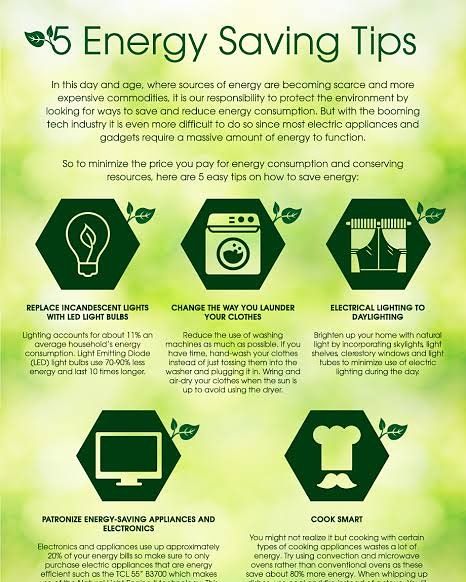
A List of the Benefits of Solar home Energy

Why is the solar home energy equally beneficial? Why is it more recommended for use?

Here are some of its benefits which are truly worth the attention to be graced by anyone:

Solar home energy is environmentally friendly.

As mentioned a while ago, solar home energy will not harm the environmental features.

It is specifically clean and renewable as well. More so,

it does not cause pollution just like what the rest of the traditional electrical forms do.

Solar home energy systems need the least maintenance.

They are not fuel-powered so no need to buy the refills.

Solar home energy makes you save a lot of money.

The energy that is derived from the sun can be accessed for free as you make use of solar lights,

solar panels, and the likes. The federal government most of the time gives out financial incentives.

You don’t get affected by the rise of the fuel rates since you are using solar home energy.

Making use of the solar home energy makes you entirely independent from the foreign and centralized energy sources.

Power outages will not likely affect you in any manner.

Most of the solar energy items are very easy to install thus lessening the complicated work of the wiring systems.

Some Common Disadvantages of the Solar Home Energy

Of course the disadvantages will not be taken aside.

Here are some of the most common disadvantages of the solar home energy:

The employment of a solar home energy can be expensive at first. But as time passes by,

it becomes light to the pocket.

The strength of the solar home energy will relatively depend on the location of your home in relation with its facing to the sun.

Also, the area of your home is another point to consider.

You will need large areas to install the solar panels.
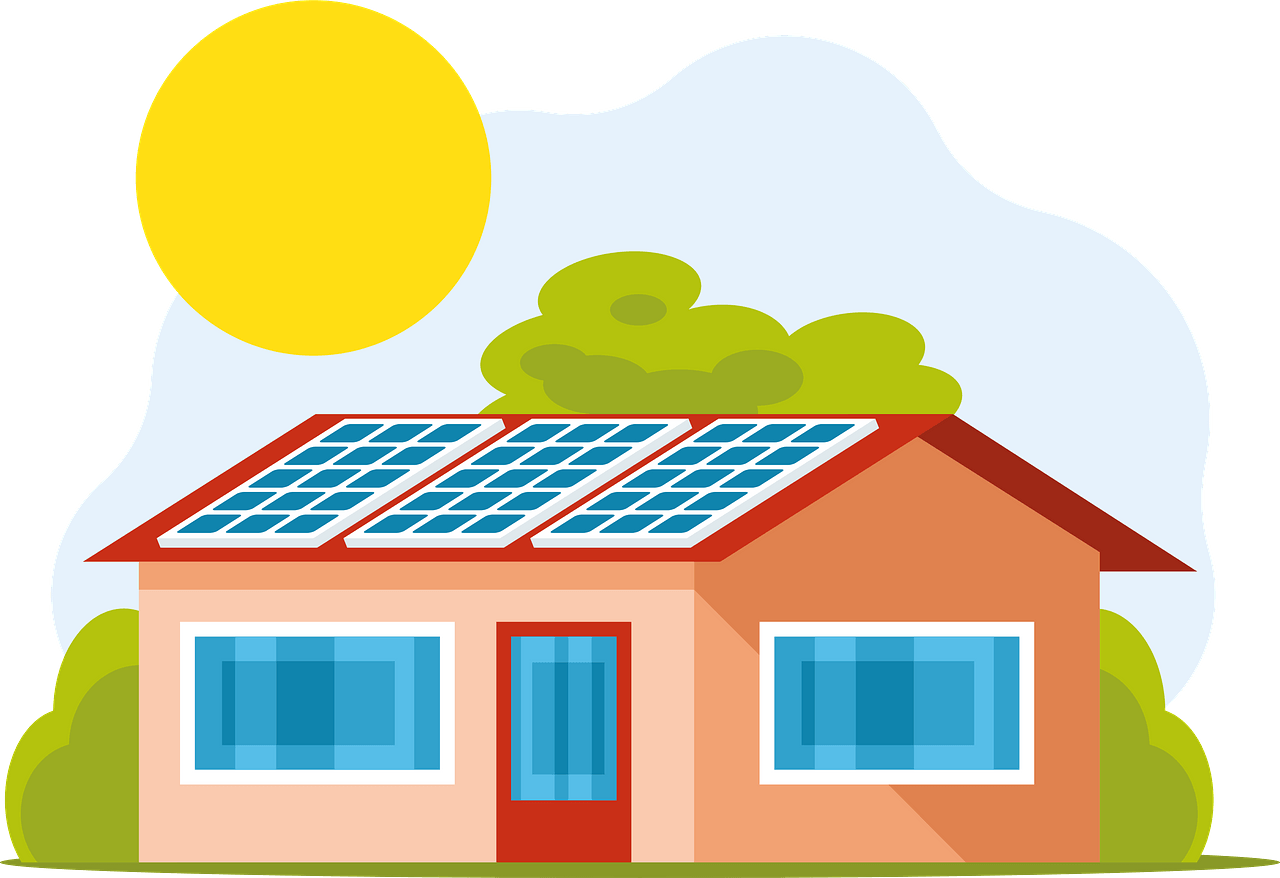
Solar Home Energy: What is it for?The Various Solar Energy Items

There are lots of solar energy devices that you may opt to buy.

Included are the solar flashlights, solar heaters, car ventilators,

solar video cameras, solar radios, solar pool purifier,

solar mosquito inhibitor, solar lighting, and solar fountain pumps.

What You Must Do

Back in the earlier years,

solar energy powered devices were very costly that very few homeowners made use of the solar home energy.

But these days, small volumes of solar energy devices are put up for sale therefore making it affordable for all.

If you don’t have enough money to fund these items you can always start small.

Making Your Mobile Home Energy Efficient

If you were living on a mobile home temporarily or permanently,

you surely would want to cut down your electric consumption just like others who would like to cut down theirs.

Here are several ways in making your mobile home energy efficient:

· Improving the roof paintjob

In the hot and humid months of June, July, August, and September, mobile homes tend to heat up.

This is because mobile homes are not built with much ventilation. On regular homes,

large attics the separate the outside from the inside keep houses cool.

Vents on these attics further contribute to reduction of heat penetration to the house.

The space separating the roof of a mobile home and the ceiling is not enough to keep the inside cool.

As a result, air conditioning system works harder during hot summer days. Thus, consuming more energy.

To lessen the heat penetration to the home, cool roof coating can be done.

Do this when it is not raining since cool roof coating is water-based.

Repainting the roof of your mobile home to deflect the heat that can potentially penetrate to the inside.

· Providing better roof insulation

Many people, even a mobile home contractor would suggest that you couldn’t

do anything to improve the insulation of your mobile home.

To tell you honestly, they are totally wrong.

You can access the roof cavity from the edge of the roof that is connected with the wall or from the directly through the rooftop.

Doing so will save you as much as 15% of your total cooling system consumption.

You can do this on your own or find someone who knows how to do this.
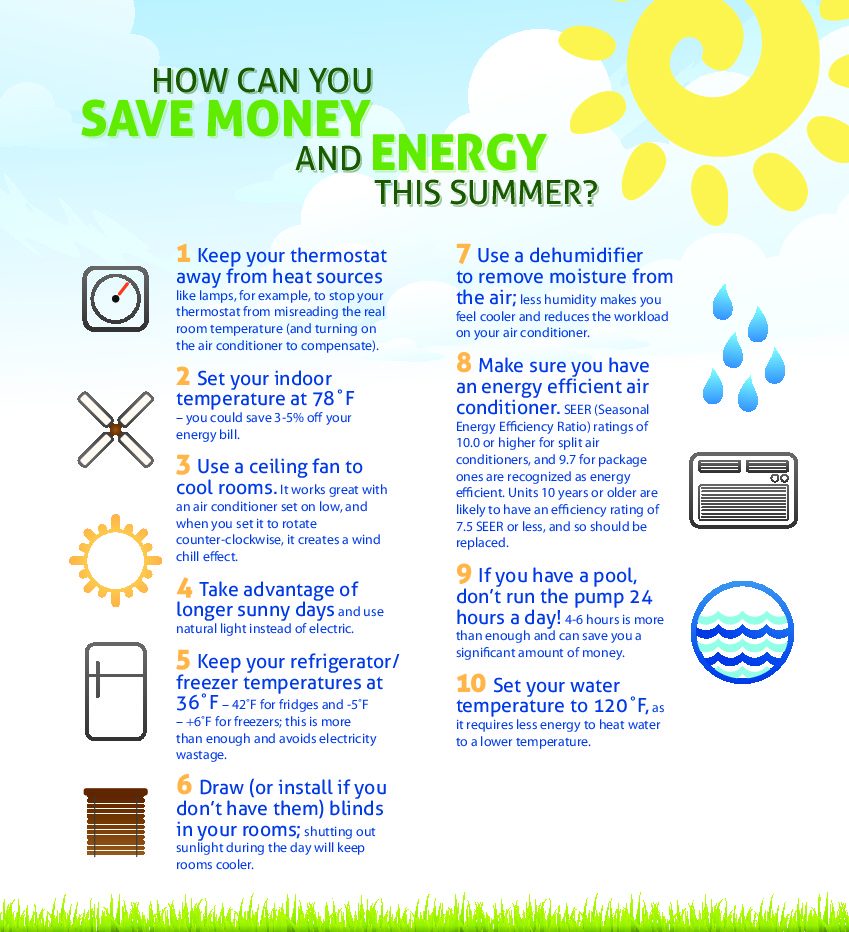
· Maintaining a good air conditioning

Air conditioning occupies the biggest chunk of your electric bill.

This is why you need to make sure that you get the most out of it.

To so this, check your air conditioning system regularly.

You can start with the air duct. Make sure that the air duct is sealed.

Any small leak would let the outside air to enter, thus making the air conditioning to work harder.

Your mobile home’s air duct is usually located underneath.

You may want to skirt your mobile home to the ground

of few inches from the ground to protect the duct during winter and summer.

Skirting would also provide additional protection from your pets to destroy the duct.

· Air sealing your mobile home

The best way to keep the air outside from entering is to seal every spaces of your mobile home.

Windows, doors, and other openings can be sealed by weather stripping,

a rubber sealant that keeps that interior airtight.

Doing this will let the air from coming out of the mobile home.

· The mobile home location

Sitting your mobile home under the shade would let you save from air conditioning.

Since shades draw away heat even before it reaches the roof of your mobile home,

your air conditioning will not be forced to cool the interior.

· Ensuring the water heater

The water heater takes 14% of your total energy consumption.

This is the second largest energy consumer next to the air conditioning system.

If your water heater is located outside the compartment,

it surely takes additional energy load since the heat is lost because of the outside air.

You cannot cover it of course for safety purposes. Instead, you can use insulation jacket.

This will keep the heat inside the tank.

The thermostat dictates the energy consumption of the water heater.

If you have less water demand, 120 degrees Fahrenheit is sufficient enough.

For larger water consumption, 140 degrees Fahrenheit is usually required.

· Windows

Proper selection of shutters, shades, and drapes is important to keep the heat inside or away from the mobile home.

But, you have to use them properly.

Close them during the night to keep the cool air from the outside away and open it during the day if you are not using air conditioning.

Use thick shutters, shades, or drapes during winder to keep to cool air from coming in.

Consider all these to make sure you maximize the use of power in your home.

In turn, you will save money on electric bills.

Searching for Octagonal Home Energy Efficient Kits on the Internet,

the Right Way

Okay, so you decided that you want a house.

However, you do not want it to be just any house,

you want a house that won’t cost you much to maintain.

So you decide to look for energy efficient octagonal home kits. But,

wait a minute… something’s wrong.

Whenever you try typing the phrase energy efficient octagonal home kits on the internet,

no results come up.

Well, here’s what’s wrong: the error has nothing to do with the web directory you are using.

In fact, you may find that the reason why you cannot seem to find information about energy

efficient octagonal home kits is something simple.

Here’s the deal: you need to correct your spelling.

There is no such word as “efficient”. In fact, the word is actually spelled “efficient”.

This simple change of spelling can give you a lot of results on your search.

How do you prevent this from happening again? Well, you might want to expand your vocabulary.

None of us are born with the knowledge on how to spell properly.

However,

you could try to learn how words are spelled correctly.

How do you expand your vocabulary, you ask?

Well, here are some tips you can use:
1. Read – This is the best way to learn how to spell words and expand your vocabulary.

Some people actually find it boring to open up a book.

People nowadays just want to pick up the remote and turn on the TV.

Well, here’s some information for you:

you won’t learn how to spell correctly by watching television unless, of course, you are into watching Sesame Street.

Of course, no one is suggesting that you pick up the dictionary and start memorizing the spelling of each word.

What you need to do is pick up something interesting to read.

For the beginner, I wouldn’t suggest going into the complex plotlines of Robert Ludlum yet.

In order to get you started in the wonderful world of reading, you might want to pick out a book that movies are based on.

These books are often what get people started down the road of wordiness.

In time, you will find yourself reaching for books with more and more complex plotlines and words.

Because of these you will expand your word power.

2. Write – Communications nowadays are of such a high technology that we often ignore the power of the written word.

We all want to talk on the phone instead of writing a letter.

However, how else would you learn to spell correctly, if not through writing?

People may find it a bit boring. In fact, writing nowadays is mostly done through emails and text messaging.

Text messaging has also done its share of damage to people’s spelling abilities.

Nowadays, people make frequent use of “shortcuts” in their messages.

This leads to the deterioration of spelling skills all over the world.

In order to train yourself to spell properly, you’ll need to be able to take criticism for your mistakes.

You need to want to improve your spelling skills.

These tips should take you far into improving your word skills.

You next have to learn how to apply those skills to your search.

If course, when you learn about the proper spelling of words,

you won’t make the mistake of looking for energy efficient octagonal home kits. However,

there are still more mistakes that can be made on the internet.

When you search on the internet for energy efficient octagonal home kits,

you might want to prepare some standard protection like anti-virus software, anti-spyware,

popup blockers and other tools that might make your search easier and more convenient.

Another thing you should consider doing is to examine each link before you click it.

There are a lot of useless junks out in the internet and you do not want to encounter them.

In order to be able to avoid “traps” set for the unsuspecting surfer,

you need to be able to discern which websites do contain information you need and which ones are full of nonsense.

By now, though, your new love for reading will have given

you different inferences as to what signs to look for in examining information.

And that, my friend, will help you a lot in your quest.

How to Lower Home Energy Bills

We are blessed with the discovery and proper utilization of energy around us.

There are several sources of energy that makes our living easier.

Energy lights up our home every night, keeps us warm during cold winter,

allows us to be entertained, and makes our living pleasant no matter what time of the day.

And with all the other uses of energy from the moment we check our clocks in the morning to keeping

us warn as we rest during the night, all of us would agree that it would be so hard to llive without it.

We can say that we have sufficient energy supply for a lifetime but that does not mean that we are not going to conserve it.

After all, technology has its price.

And that price is something we have to pay with cash.

And if coping with electric bill is your problem every time you see your bills,

here are the ways on how to lower them:

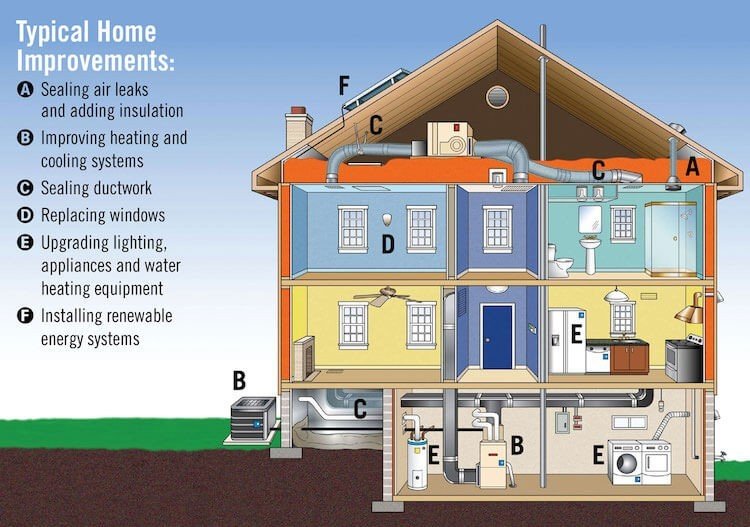
· Provide good roof coating

A good roof coating deflects heat.

And so, insuring that the roof receives a good coating would mean insuring you that your

house would maintain good temperature on the inside.

· Keep your attic well ventilated.

Your attic is one of the more important parts of your house when it comes to the cooling system.

The attic is your first and probably the most effective part of your house the keeps the whole house cool.

But, in order for your attic to do its main purpose,

make sure that it is well insulated.

Provide vents where the heat can come out during summer.

Your attic door must also be sealed to ensure that the air from our house does not go through it and vice versa.

The attic door can be sealed with weather strippers.

· Securing all the leaks.

Leaks contribute to high cost of home energy.

Why?

It is because air from your house can easily come out from these leaks.

And the air from the outside can easily enter the house.

Both increase the workload of your heating and cooling system.

You have to remember that air moves according to air pressure and temperature.

Since the temperature of inside your house is most of the time different from the temperature outside,

air moves freely from these leaks.

Making sure that the leaks are sealed would mean less work on your heating and cooling system and lower electric bills.

Leaks would come from fireplaces, ducts, doors, ceilings, floors, walls, windows,

plumbing penetrations, electrical outlets, fans, and vents.

· Reducing the thermostat

One degree centigrade is equivalent to 5% electric bill savings. Therefore,

keeping your thermostat low will save you a lot of money.

A total saving would also come from switching your thermostat further low when you are not home or if you are sleeping.

The ideal temperature during winter is not higher than 68 degrees Fahrenheit.

· Limiting the use of water heater

The second largest electric consumer next to your heating and cooling system is your water heater.

When you wash you clothes, you don’t need to heat the water up.

Just use the water from the faucet.

This will save you by as much as 90% in washing machine energy consumption.

· Use energy efficient material around your home.

There are commercially available materials that would significantly contribute to the reduction of the cost of home energy.

One of these is energy efficient windows that deflect the outside temperature

(whether during winter or summer) from entering your home.

· Use your appliance efficiently

It is pretty basic for all of us to turn off televisions, air conditioning,

stereos and other electronic gadgets when not using them. However,

most still disregard this. The reality is;

we can save a lot if we only learn how to turn them off if not in use.

Also, small things such as iPod chargers, cellphone chargers, digital clocks,

lights and other things that seem to consume small electric current that remain plugged day

in and day out contribute to your electric bill. Making sure you unplug them would certainly

lower down your monthly electric consumption.

You have the details. All you have to do is to make sure you follow them all.

كيفية توصيل القواطع الكهربائية المنزلية

lightning
We are pleased to have you visit our pages on social networking sites, where we publish exclusive offers on our website.

 Facebook page here.

Twitter account is here.

Posted on Leave a comment

Polycarbonate Use in the Nameplate Industry

Polycarbonate Use in the Nameplate Industry
electric resistance

Polycarbonates are a particular group of thermoplastics widely used in the production of nameplates due to their high mechanical strength, toughness and clarity. Polycarbonate nameplates survive extreme environmental conditions like high temperature, chemical abrasions, and corrosion. Because it is a highly resistant material, Polycarbonate nameplates are well suited for harsh outdoors and indoor environments.

Polycarbonate nameplates are mainly transparent, have a high refractive index and thus transmit light better than glass.

Lexan is a registered polycarbonate produced by General Electric plastics that is also used to produce nameplates, control panels, display plates, nametags and decals. Lexan nameplates are highly durable and cost effective. Their outstanding performance is due to a combination of versatile properties like optical clarity, heat resistance, dimensional stability, printability, and graphic design freedom. These qualities make Lexan, a perfect material to produce better quality solutions like reverse screen-printed nameplates, pressure sensitive nameplates, and membrane switch panels. It is stocked in sheets and rolls in clear film. Lexan textured films are typically used in membrane switch overlays, labels, control panels and name plates as they offer broad flexibility and artistic appeal.

It is really important to know about the material and processes in the manufacturing of nameplates. High quality nameplates and custom name plates are tough enough to withstand the environmental or application stress that your products must endure. To know more about Polycarbonate, polycarbonate nameplates, polycarbonate nameplate, nameplate, nameplates, name plates, nametags, control panels, lexan nameplates, lexan nameplate, processes and materials to be used in nameplates, please visit http://www.nameplate.com

Posted on Leave a comment

How The Quality Cables And Wires Ensure Safety Of Your Home

How The Quality Cables And Wires Ensure Safety Of Your Home
electric resistance

In any home, you come across cables and wires that connect electricity to various appliances. The utility company comes in with a recommended power cable and wire used to make the connection of electricity to the building. For your safety and to have the power connected to various appliances, a homeowner must ensure the cables and wired used during installation are the high standards, original and strong.

Cables and wires around your home or office give a messy look. If the wires are exposed, it becomes dangerous. You do not want to trip and get injured or cause a fire. People must remain cautious by buying insulated wiring products. One product you can try is the rubber cable.

Strong power cabling needed

The power cable arrives as an assembly of electrical conductors held together by a sheath. It allows for the transmission of electricity to various rooms and appliances. You can install them within the building walls, bury them underground and run overhead. The flexible cables are used for machinery, mobile tools and portable devices. The power cable to try when carrying out projects includes the YJV22 4 Core 120mm steel tape, 0.6/1kV 240mm2 4 Core Armoured, Aluminum Conductor PVC Insulated and the Copper PVC Conductor Insulated Steel Tape.

Rubber cables for your home safety

If you want protection from wire and electrocution, use a rubber cable. The rubble insulated cables come in different styles and metric size and they can snap into any outlet quickly. These are ideal for outdoor applications. They come in salient features making them ideal for any environment. With the installations, they remain resistant to chemicals and natural materials because of good insulation feature. The recommended rubber cable to think of includes the 450/750 Volts 35mm2 cable, the EPR Flexible cable and the Flexible Silicone cable.

Welders have different choices

The welding cable carries welding current, making it easy for a contractor to do their job. These cables are made using fine copper strands. They are hidden inside a non-conductive jacket or insulator. The strands of copper give the welding cable flexibility when compared to other electrical conductors. When buying the welding cable, determine the total length of the circuit, the Duty cycle from the power source and Rated output of the welder source. When in need, you can try the YH 95mm cable, the 2/0 Flexible welders cable and the Oil Resistance 4/0 cable brand.

Consider your home building wire

Your home wiring must be done correctly because if you fail to check this, you face problems with electricity. You will not get power in various rooms. For this reason, you must choose the best-rated building wire for installation. To avoid common issues, go with the certified building wire such as 2.5mm House electric wire, the 600V PVC Insulated and the 4mm2 Copper Core electric wire.

Bottom-line

When you want to do indoor and outdoor wiring and cabling, Installing proper wire and cable remains paramount. By doing so and sourcing for original products, you ensure smooth electricity transmission. Besides, sourcing the right products and using a contractor to finish the job guarantees you safety.

Posted on Leave a comment

Personal Protective Equipment For Hot Work

Personal Protective Equipment For Hot Work
electric resistance

When working in a high heat environment – including gas welding and cutting, electric arc welding, and carbon arcing or plasma arc cutting – you are exposed to a number of hazards, specifically:

  • Molten metal,
  • Toxic gases, fumes, and vapors
  • Harmful radiation
  • Excessive noise
  • Electrical shock
  • Fire hazards

Personal Protective Equipment is an important step in protecting against these hazards (and in most situations, is an OSHA requirement). The type of work being performed will dictate the safety gear that needs to be worn. However, there are five categories of equipment that should be considered when doing all hot work.

  • Respirators: Respirators provide protection from the inhalation of harmful gases, fumes, and vapors. Respiratory protection needs to be considered when hot work is performed in confined or enclosed spaces. Air-purifying respirators should be worn when doing hot work on surfaces containing lead, cadmium, or mercury. Supplied air respirators (air-line respirators) should be used when hot work is performed on beryllium. Respirators may also be necessary when working on surfaces covered with toxic substances, such as solvents or paints, since the high temperatures involved may vaporize these materials.
  • Eye protection: Using appropriate eye protection is important to protect your eyes from both ultraviolet (UV) and infrared (IR) radiation. Welding, cutting, and burning goggles which are shaded are used to protect from UV and IR radiation. To protect your face from flying materials such as slag, a face shield should be used in conjunction with goggles. Welding helmets with shaded glass viewing ports are used during carbon arc welding to protect the face, neck, and eyes from UV and IR radiation. When selecting eye protection for hot work, it is very important to ensure that the proper lens shading is used for the work performed. (And remember that anyone working or standing near the work area should also wear appropriate protective eyewear.)
  • Protective clothing: Hot work (obviously) produces heat, creating a burn risk. Protective clothing helps to reduce the chance of burns from sparks and slag. For high temperatures, the best protective clothing is leather or fire retardant garments. When wearing leather or fire retardant garments, it’s important to remember that the protection they offer will be compromised if they are soiled with oil, grease, solvents, or other flammable or combustible substances or if they are in poor condition (holes, fraying, etc.). Pants should not have cuffs. Also, if garments have open pockets, the pockets need to be Velcroed or taped shut to prevent sparks or slag from entering.
  • Foot protection: Heavy objects (metal plates, for example) and falling sparks and slag can cause foot injuries. High-top leather boots or low-top leather boots in conjunction with leather spats provide protection from sparks and slag. In order to protect toes from heavy objects that are dropped, the boots should be safety (steel-toe) boots.
  • Hand and wrist protection: Hand and wrist protection are also important PPE because high temperature tasks expose your hands to cuts and burns (both from heat and UV or IR radiation). Leather welding gloves generally provide the necessary protection during hot work. Leather gloves also provide a degree of cut resistance-an important factor when handling sheets of metal or other sharp materials. For carbon arc welding, long-cuffed leather gloves are most appropriate, and for welding, cutting, or burning, short-cuffed welding gloves. Like protective clothing, in order to provide adequate protection, leather welding gloves need to be in good repair and free from flammable and combustible materials such as oils, grease, and solvents.

Other PPE to Consider

Other PPE that should be considered depending on the task and work area including:

  • Hearing protection for environments with very loud intermittent noise or persistent loud noises.
  • Head protection (i.e., a hard hat) for work areas where there are potential overhead hazards from falling objects or materials.
  • Personal floatation devices when working in an area where there is potential for falling into the water.
  • Fall protection systems such as positioning systems or personal fall arrest systems for work performed at heights.
Posted on Leave a comment

PH Meters and Their Working

PH Meters and Their Working
electric resistance

Acids and bases have free hydrogen and hydroxide ions in an aqueous medium. A solution with more hydroxide ions than hydrogen ions is said to be basic, and one with more hydrogen ions is said to be acidic. A pH meter uses an electric probe to find the pH of a solution.

The pH meter contains two electrodes, called the sensor electrode and the reference electrode. They both contain wires made of silver and coated with silver chloride. They contain glass tubes with solutions of pH 7 buffer and saturated potassium chloride respectively. There is a small bulb at the end of the sensor electrode which is made of a permeable glass membrane with silica and metal salts. This membrane is made very thin so as to reduce the resistance caused by it. It is this bulb which is dipped in the desired solution in order to measure pH.

When the probe is dipped in a solution, hydrogen ions replace some of the metal ions from the bulb. Hydrogen ions, being much smaller in size than metal ions, have a much greater drift velocity. This increase or decrease in hydrogen ion concentration depending on the acidity or alkalinity of the solution changes the voltage measured.

The pH meter can thus, be thought of as a battery, with the voltage varying with the pH of a solution.

pH is a temperature dependent variable, and pH meters, therefore, often contain automatic temperature compensation, wherein the temperature is fed to the meter, and pH is automatically calculated for that temperature.

Calibration of the pH meter is one of the most vital parts of using a pH meter. The meter merely measures voltage and needs a reference so that the pH can be calculated from it. For this purpose, buffer solutions are used, which have constant pH values and resist change in pH. One of the buffers used is the pH 7 buffer, which puts the probes at the isoelectric point. The other buffer used is either pH 4 or pH 10, depending on the nature of the solution to be measured. The temperature of these buffers must be at 25 C.

Some precautions to be observed while handling pH meters are that the probe must be rinsed thoroughly after each use. De-ionised water is used for this because ions present in normal distilled water may interfere with the calibration. The probe must never be wiped, because this leads to a build-up of electrostatic charge, resulting in erroneous readings. The electrode must be completely immersed in the sample and stirred gently to give a homogeneous sample. The bulb of the probe is very fragile, and must always be handled with caution. It must always be kept wet and stored preferably in a pH 5 buffer.

Maintaining pH is very important in biological scenarios, and plays an important role even in day-to-day life, unbeknownst to common man. For instance, soil at a particular pH is good for certain crops. Also, maintaining pH prevents milk from turning sour. Organisms usually maintain their biochemical processes within certain pH limits. pH meters are thus, vital for the pharmaceutical industry, among other industries, since they help analyze products and ensure safety and quality.